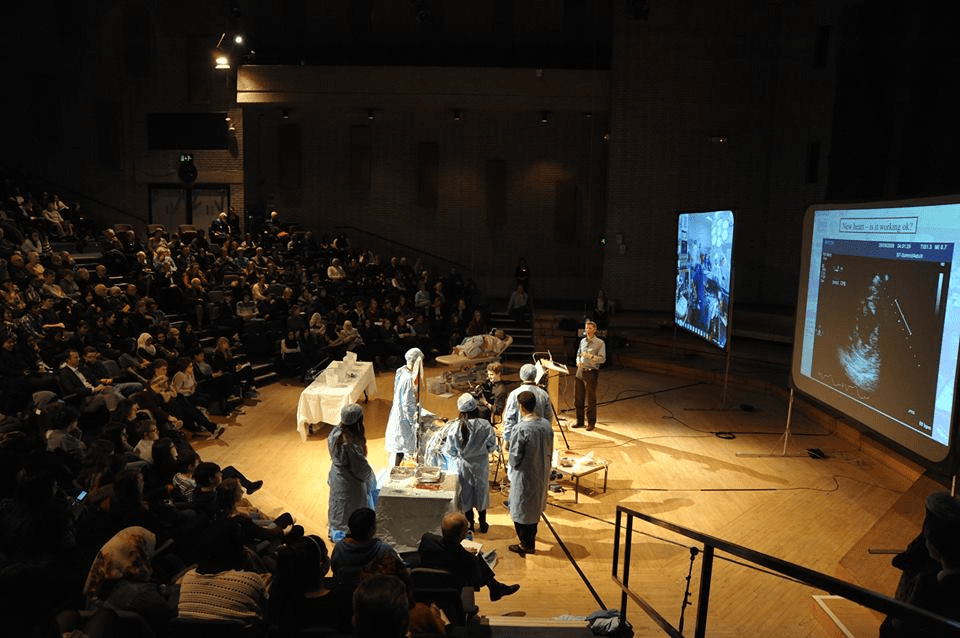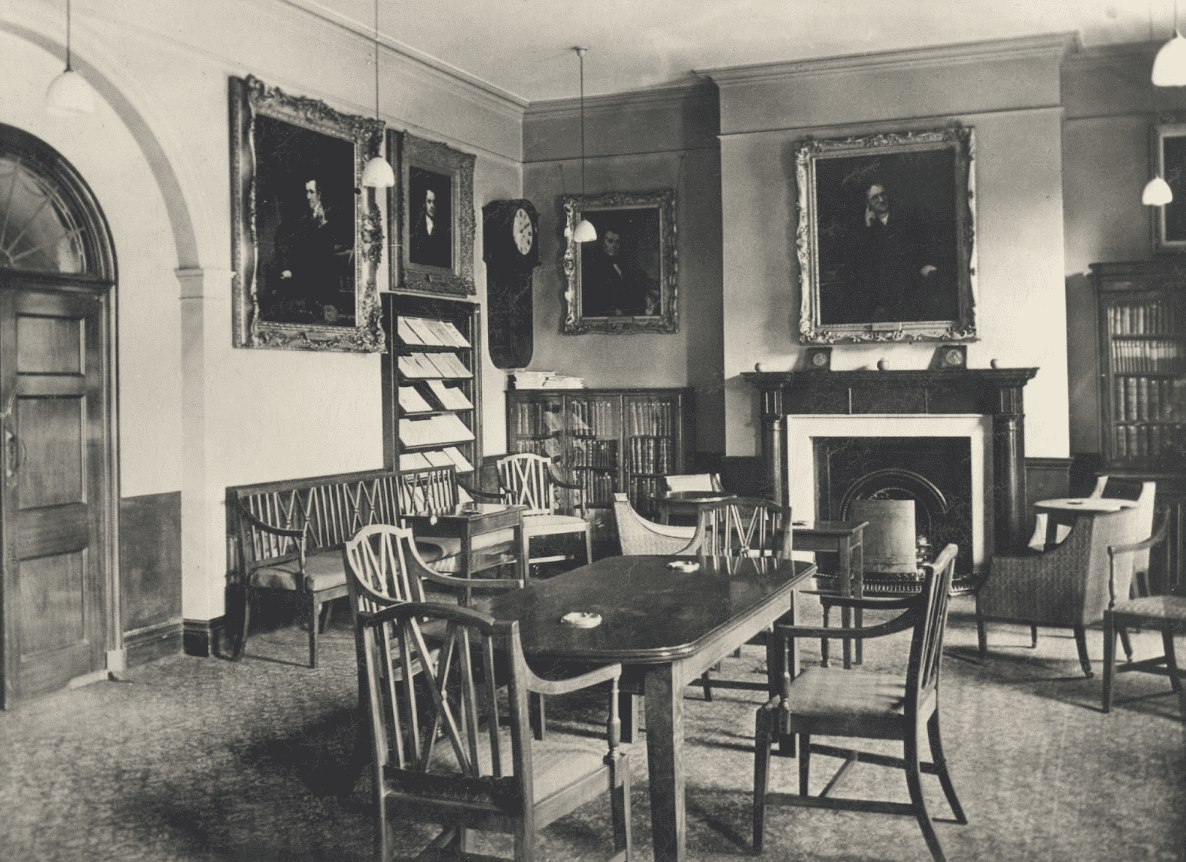

Manchester is often called the “first industrial city,” but its rich heritage extends far beyond textile mills, factories, and warehouses. For centuries, Manchester has been a scientific hub attracting researchers from around the globe. At the heart of this intellectual movement stands the city’s first scientific society—the Manchester Literary and Philosophical Society. This esteemed institution has played a pivotal role in shaping Manchester’s intellectual and scientific landscape and remains relevant even in the 21st century. Read more on imanchester.info.
Founding the Manchester Literary and Philosophical Society
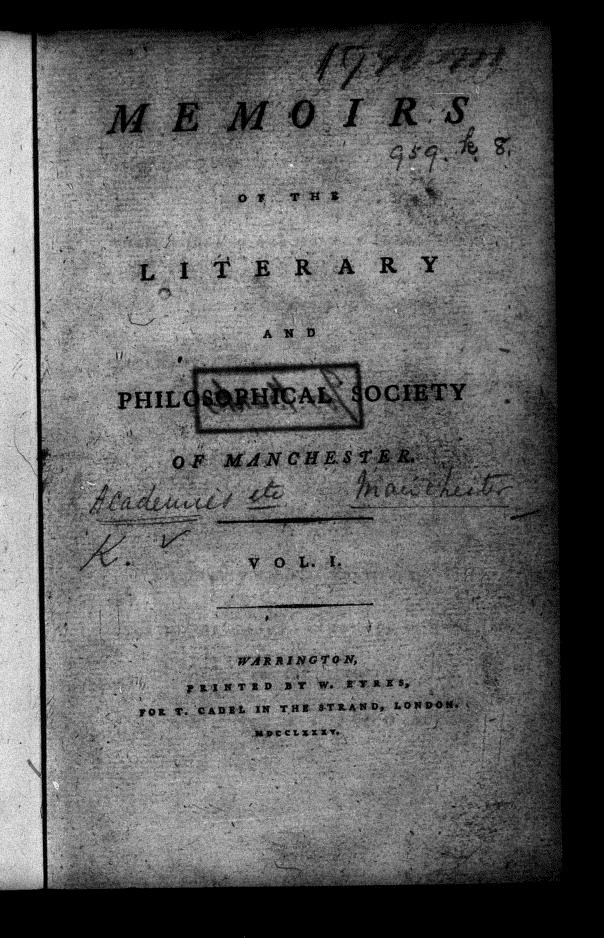
The roots of Manchester’s first scientific society date back to the 18th century. In 1781, local intellectuals, writers, and philosophers, including Thomas Percival, Thomas Barnes, Thomas Henry, and Thomas Butterworth Bayley, established the Manchester Literary and Philosophical Society.
Later that year, the society held its first official meeting in the back room of a chapel on Cross Street, welcoming not only local but also visiting scholars from other parts of Britain.
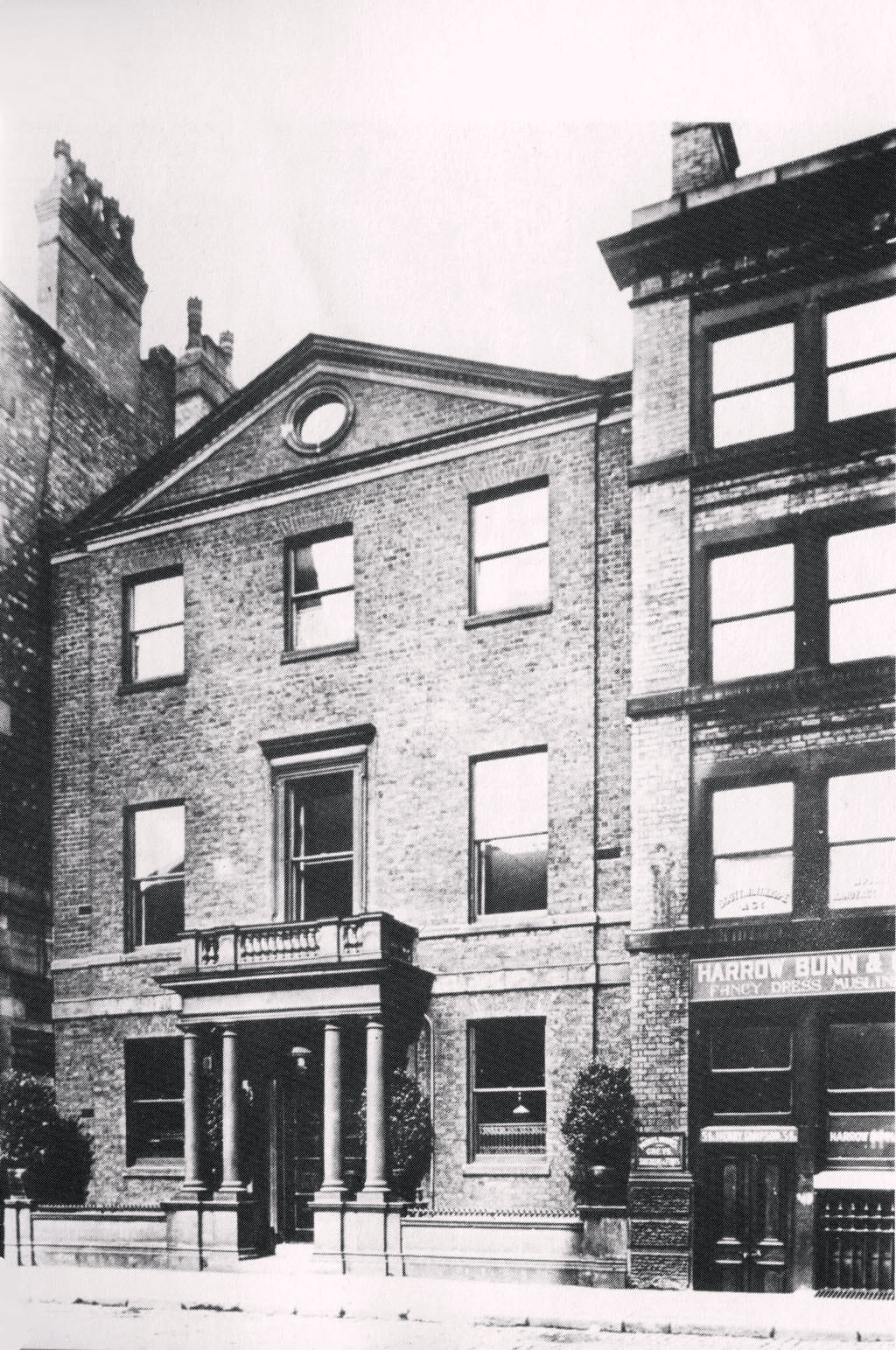
Initially, the society lacked a permanent home, conducting meetings in the chapel until 1799, when it moved into its own premises on George Street. This building became a cornerstone of scientific progress, hosting renowned chemist, physicist, and meteorologist John Dalton. Dalton conducted groundbreaking experiments here, which later contributed to the development of atomic theory in chemistry.
For over a century, the Manchester Literary and Philosophical Society thrived. It welcomed new generations of scientists, providing a nurturing environment for young researchers to find mentors and colleagues eager to share their knowledge and experience. The collaborative atmosphere fostered innovation and led to many scientific breakthroughs.
The Society’s Losses During World War II
Since its founding, the Manchester Literary and Philosophical Society endured numerous political, social, and cultural upheavals, including revolutions and wars. However, it faced its greatest challenge during World War II.
In 1941, German forces launched an extensive air raid on Manchester, known as the “Manchester Blitz,” which targeted the city’s industrial heart. The society’s building on George Street was destroyed during the bombings, along with its entire collection amassed since 1781.
The losses were immense, including over 50,000 library volumes, historical artifacts, unique portraits of distinguished individuals, and archives.
It was not until the 1960s that the society rebuilt its premises and resumed operations as a charitable organization. Membership was opened to anyone aged 16 and above. The society also continued hosting lectures, averaging 30 per season in the 2020s. These lectures remain accessible to both members and the public. As of the 2020s, the society boasts over 400 members, with distinguished historical figures like Stephen Hawking, William Thomson, Dmitri Mendeleev, Dame Kathleen Ollerenshaw, and John Mercer among its honorary members.
Activities of the Manchester Literary and Philosophical Society
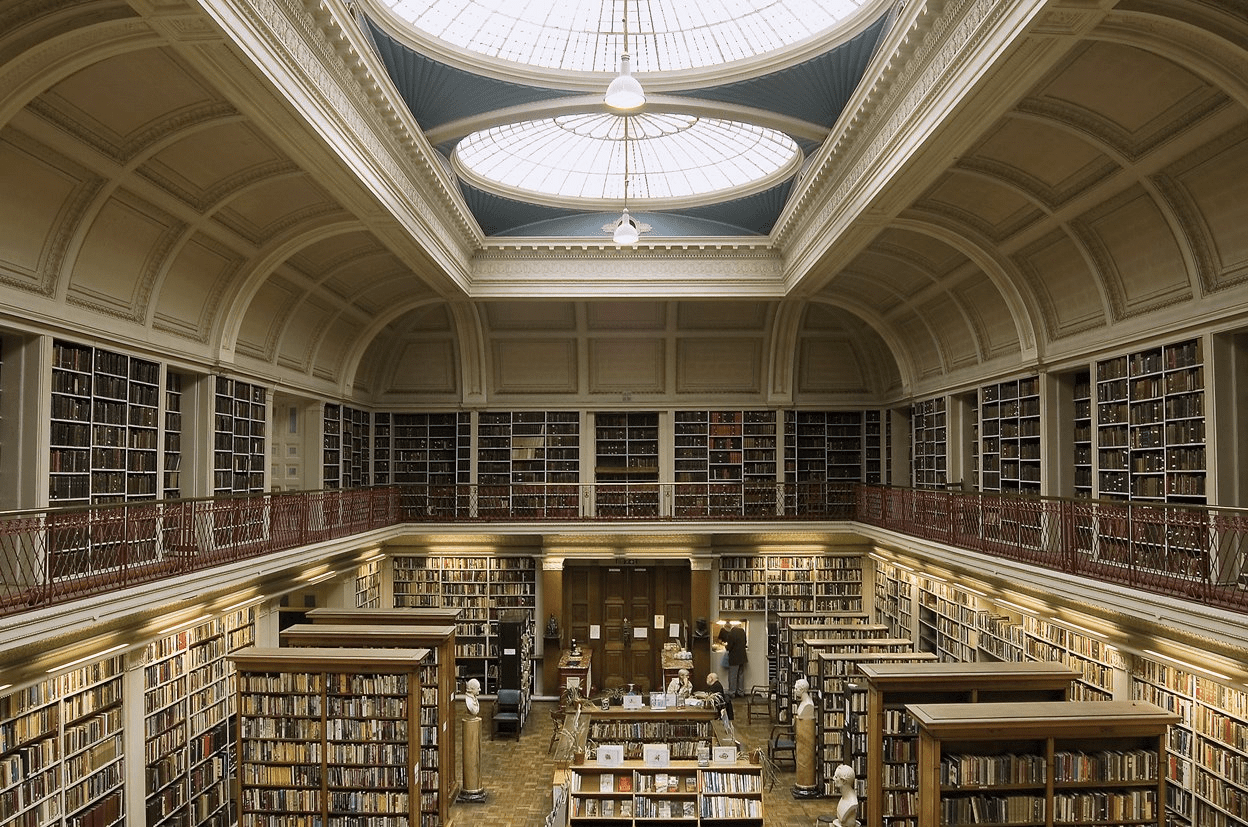
Throughout its history, the society has been a beacon for brilliant minds. One such figure was James Prescott Joule, a physicist known for discovering the law of energy conservation. Joule was a regular attendee whose experiments and theories significantly contributed to thermodynamics.
In the 20th century, Alan Turing, the father of modern computing, was among the society’s prominent speakers. He presented his ideas on artificial intelligence and computational theory.
Since its inception, the society has hosted numerous lectures, including those by Wilde, Joule, and Dalton. Its most prestigious talks include the Percival Lecture and the Manchester Lecture.
Continuing Relevance in the 21st Century
In the 21st century, the Manchester Literary and Philosophical Society remains an integral part of the city’s scientific, literary, cultural, and intellectual life. It continues to host annual lectures, discussions, and events that attract diverse audiences. The society has also embraced digital platforms, allowing it to reach global audiences and promote international collaboration.
For many members, the society serves as a second home. It is not merely a place for lectures and experiments but a community where lifelong friendships are forged. The Manchester Literary and Philosophical Society continues to be a haven for those passionate about the pursuit of knowledge and the advancement of science.