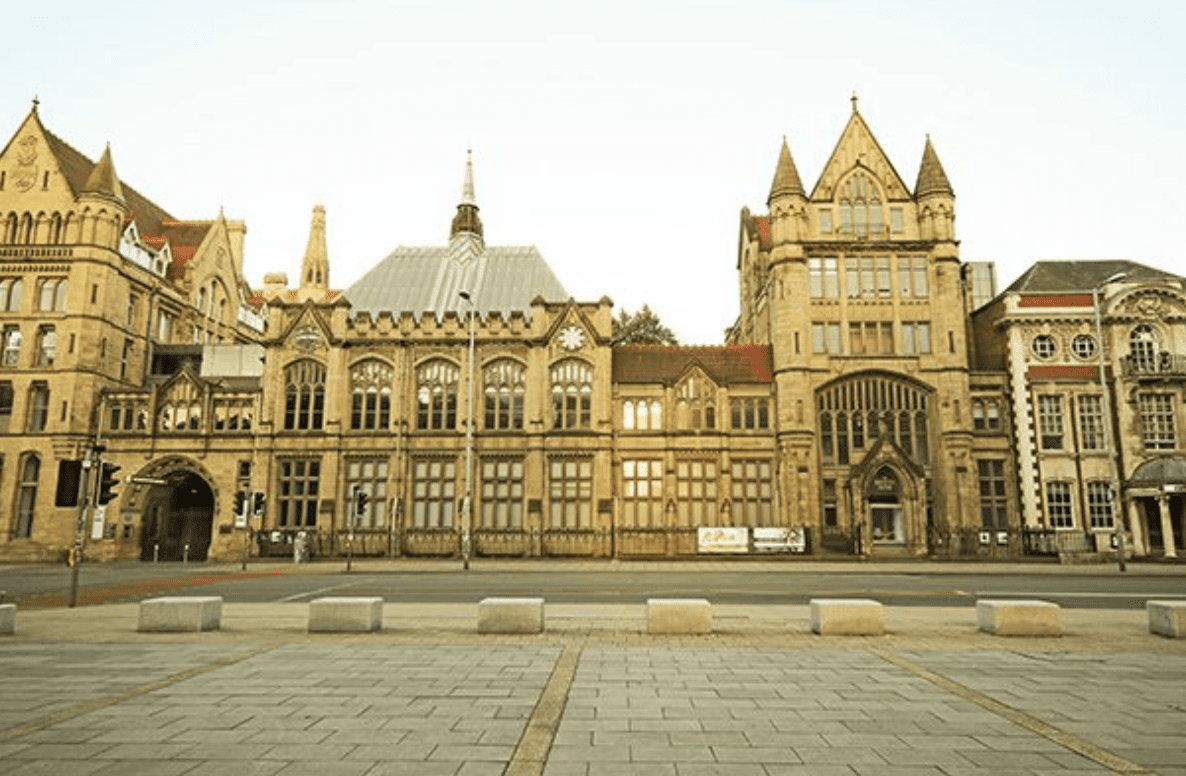

Manchester Museum offers residents and visitors more than just a glimpse into history—it has long been a hub of education and culture. As part of the University of Manchester, the museum houses a remarkable collection of 4.5 million items from all continents. This makes it the largest university museum in the UK. Serving not only as a resource for academic research and education but also as a gateway to uncover the mysteries of the past, the museum is a key attraction in the city with its unique Neo-Gothic architectural style. Annually, Manchester Museum welcomes over 400,000 visitors. Next on imanchester.info.
Historical Origins of Manchester Museum
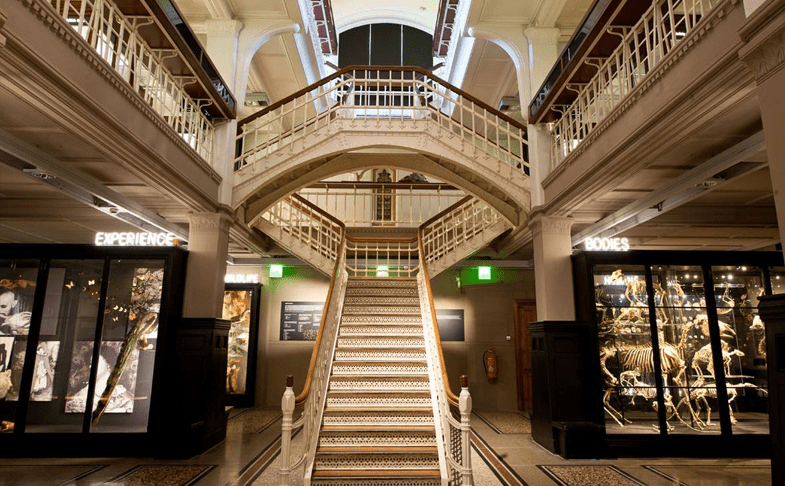
The roots of the museum trace back to the early 19th century. In 1821, the Manchester Society for Natural History was established, acquiring one of its first collections from John Leigh Philips, a prominent local industrialist. This marked the inception of what would later become Manchester Museum.
As the collection grew, the society decided to establish a dedicated building to house its artifacts, leading to the creation of the City Museum on Peter Street in 1835. Over time, the museum’s holdings expanded, including the addition of collections from the Manchester Geological Society in 1850.
However, by the 1860s, financial difficulties began to emerge. With increasing collections and inadequate funds to maintain them, the museum faced challenges. Evolutionary biologist Thomas Huxley of the University of Manchester came to its aid. When the university relocated to new premises on Oxford Street in 1875, the museum on Peter Street was sold.
Museum Development and Collection Expansion
From the 1860s, the museum came under the stewardship of the University of Manchester. Determined to not only preserve but expand the collections, the university commissioned Alfred Waterhouse, a renowned 19th-century architect known for designing London’s Natural History Museum, to create a new museum building in Manchester.
The structure was intended to house collections for both university students and the public. Located near the university on Oxford Road, the project was completed in 1888. Adjacent scientific departments were also established for students to easily transition between the Beyer Building and the museum.
By the early 20th century, the museum’s collections had grown so significantly that modernization and expansion became necessary. In 1912, a new wing was added, dedicated to archaeological and Egyptological collections. Further expansion in 1927 introduced an ethnographic collection, cementing the museum’s status as a cultural cornerstone for the university and the city.
Manchester Museum’s Diverse Collections
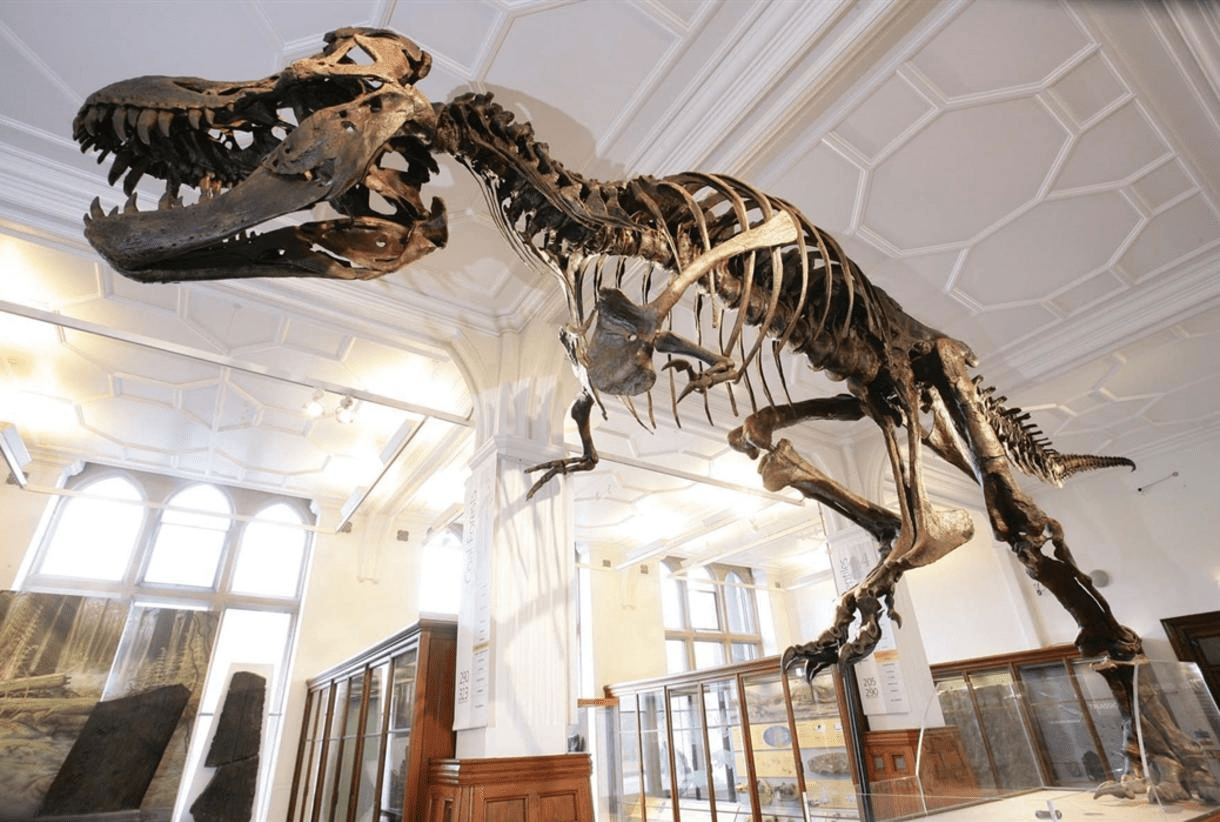
In the 21st century, Manchester Museum boasts an impressive array of exhibits spanning various historical periods. The natural history collection includes over four million specimens, featuring rare fossils, animal specimens, and botanical samples. Highlights include a complete skeleton of a Tyrannosaurus rex.
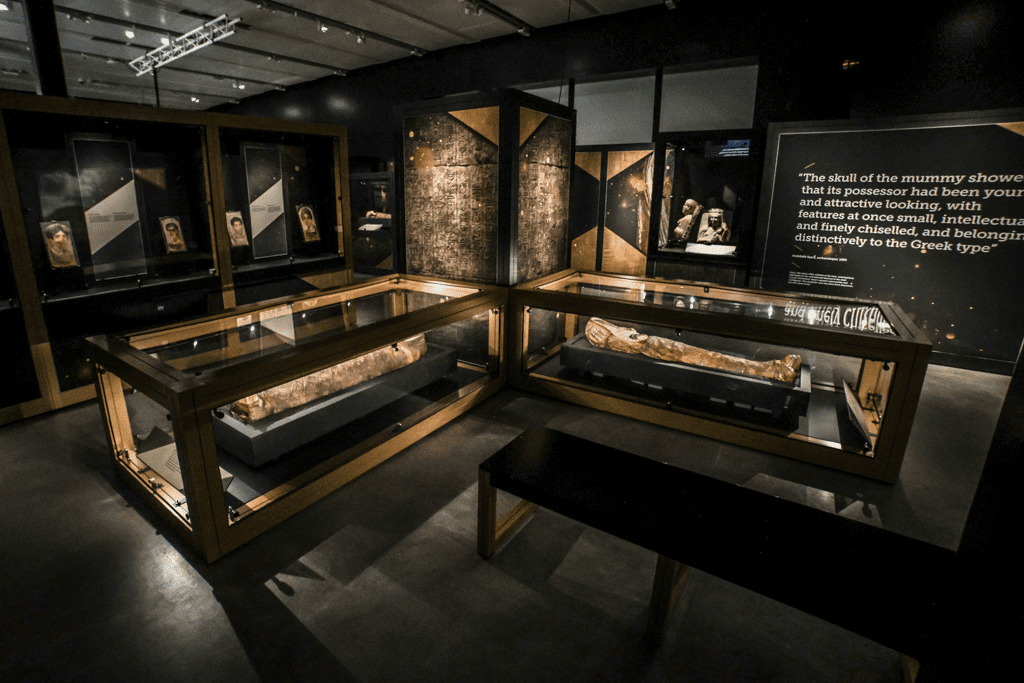
The museum’s dedication to cultural heritage is evident in its extensive archaeology and anthropology collections. Its Egyptology exhibit is among the best in the UK, showcasing mummies, statues, and artifacts that offer a unique perspective on ancient Egyptian civilization. Additionally, artifacts from the Americas, Africa, and Oceania provide valuable insights into the diverse histories and cultures of these regions.
Beyond its collections, Manchester Museum is deeply engaged in education and community outreach. It offers a wide range of programs designed to inspire curiosity and foster a love for learning. From tours and workshops to school programs and family activities, the museum ensures its exhibits are accessible and engaging for visitors of all ages.
One of the museum’s most unusual collections is its assortment of perfumes, comprising around 5,000 samples of spirits from the 19th and early 20th centuries. Other significant collections include:
- Anthropology
- Archaeology
- Archery
- Botany
- Earth Sciences
- Entomology
- Numismatics
- Amphibians
- Mammals
- Birds
- Corals
- Bryozoans
- Mollusks
- Microscope Slides
The museum’s partnership with the University of Manchester has been a key component of its growth and mission. This collaboration ensures the integration of academic expertise and resources, grounding its exhibits and programs in cutting-edge research and discoveries. The museum also serves as a valuable educational resource for university students, offering hands-on learning opportunities and enriching their understanding of related disciplines.