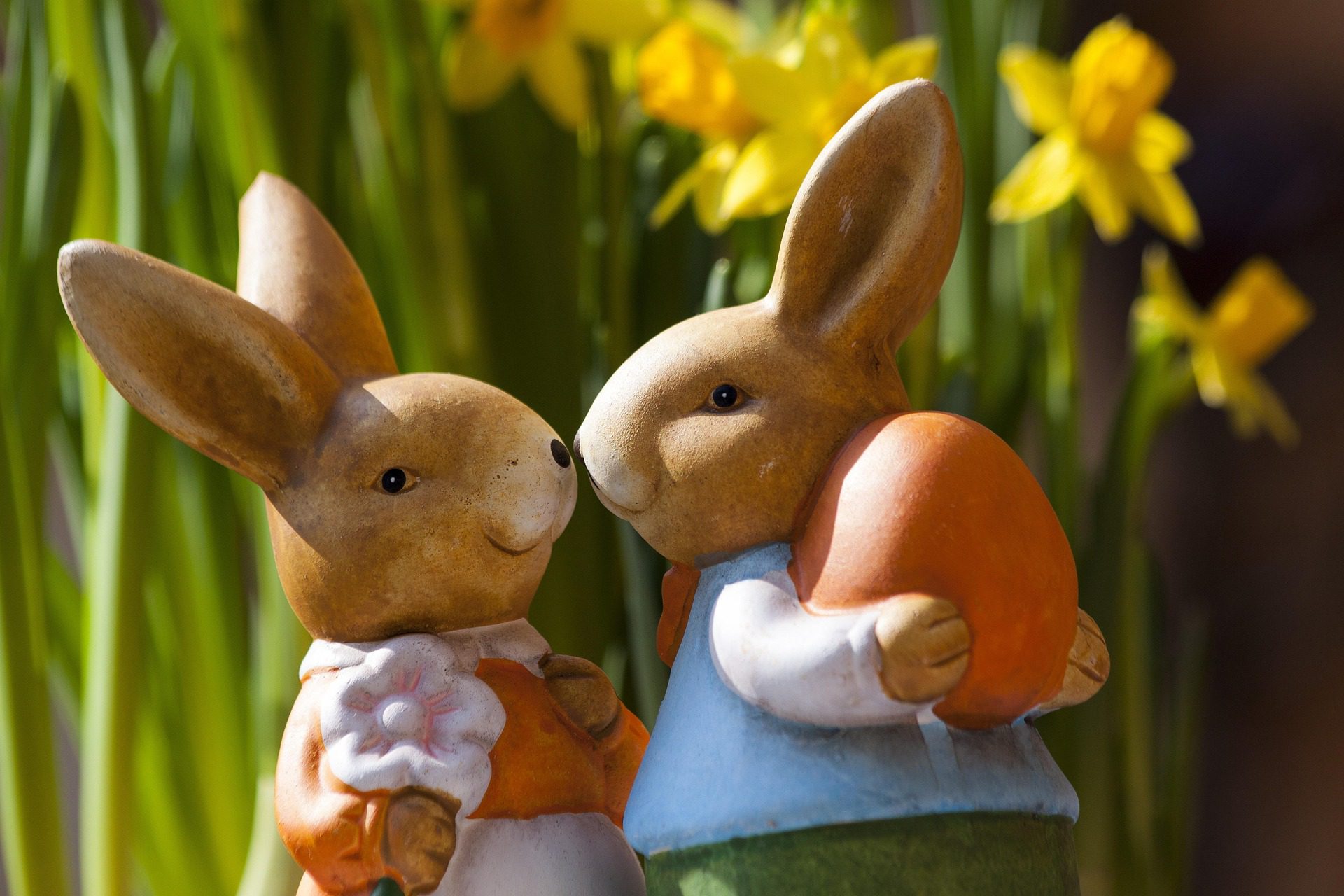

In Manchester, Easter is fundamentally a family affair—a time dedicated to gathering with kith and kin. The city has inherited a wealth of traditions from the historic county of Lancashire, where Christian rites have long been intertwined with local folklore and springtime festivities.
Today, customs such as chocolate egg hunts, Easter bunnies, and theatrical performances remain incredibly popular. Throughout the season, the city offers a vast array of activities for children, young people, and families alike. For those looking to dive deeper into local customs or find specific holiday events, the imanchester website serves as a key resource.
Historical Roots
The roots of Easter in the UK, and Manchester specifically, run deep. As Christianity spread, it encountered existing Pagan customs tied to spring equinox celebrations. Rather than erasing these ancient traditions, the church adapted them. This helped bridge the gap between the old faiths and the new, making Christianity more accessible to the British people. This fusion is evident in the preservation of cultural heritage, such as egg dyeing and decorating homes with fresh flowers. Gradually, Easter evolved from a purely religious observance into a broader celebration of spring.
By the Middle Ages, Easter was a time of both piety and revelry. People attended church services but also engaged in processions and communal feasts. A notable tradition from this era was egg rolling: hard-boiled eggs, dyed with onion skins, were rolled down hillsides to symbolise the rolling away of the stone from Christ’s tomb.
The Tudor period ushered in a new era of celebration. King Henry VIII, famous for his opulent lifestyle, was known for hosting extravagant banquets. A lesser-known fact is that Hot Cross Buns—now a quintessential Easter staple—gained significant popularity during this time. These spiced sweet buns, marked with a cross to represent the crucifixion, became a firm favourite. Later, the Victorian era introduced the touching custom of exchanging Easter cards.
Modern Celebrations
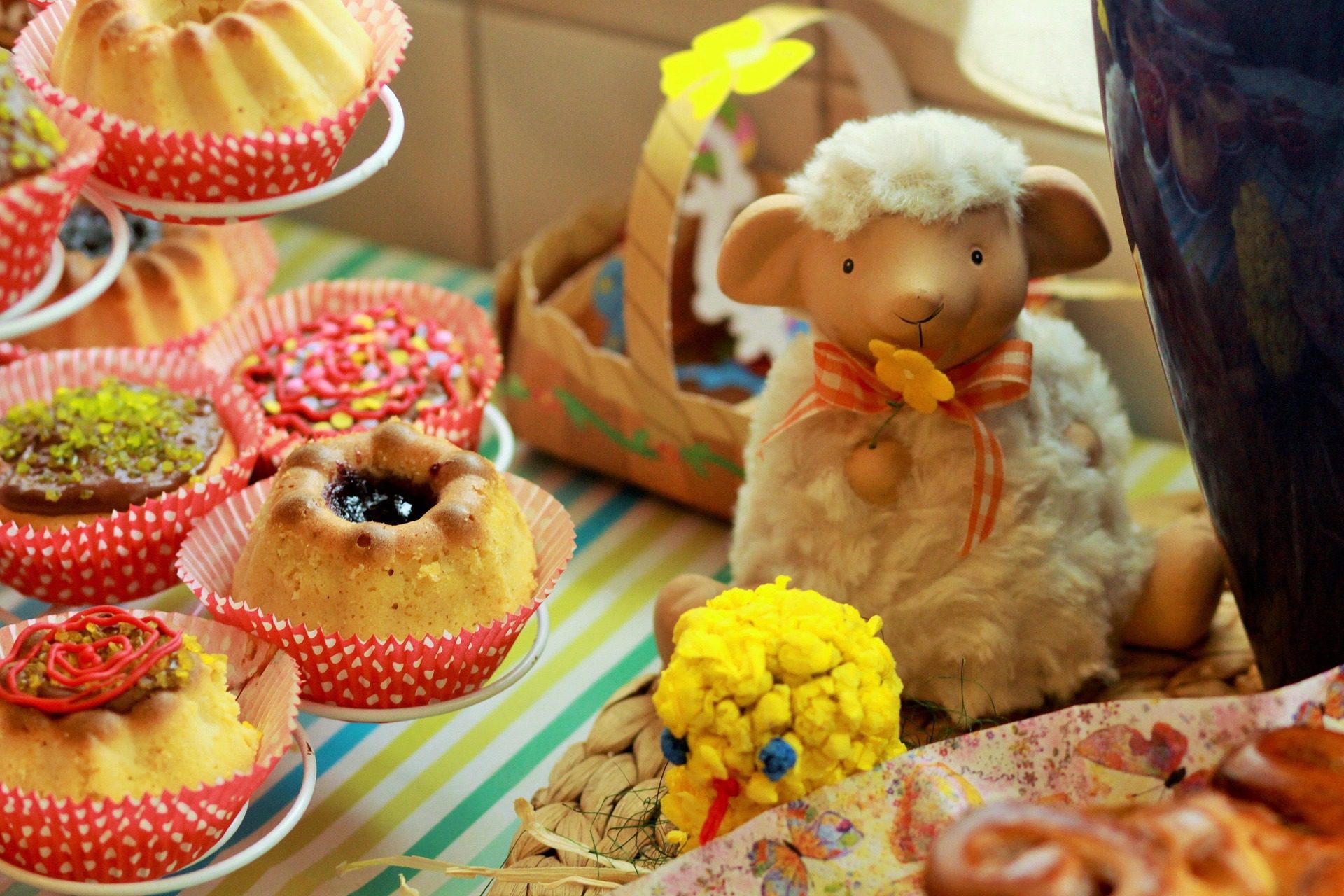
Modern Easter in Britain is a vibrant mix of religious observance, cultural heritage, and renewal. Preparation often begins right after Christmas, with shops stocking their shelves with decorations, bunnies, sweets, and chicks. It remains one of the most popular holidays, characterised by fun, family reunions, egg hunts, and church attendance. Many families head to church for prayers, services, processions, and festive lunches shared with parishioners and guests.
A fascinating historical footnote for the city is that Manchester’s Holy Trinity Armenian Church officially opened its doors on Easter Sunday in 1870. This event symbolically highlighted the importance of the festival to the city’s religious community. Today, religious groups continue to host various events during Holy Week, including morning blessings and prayers, helping believers and residents from diverse backgrounds share in the joy of the Resurrection.
The festivities in the city span several days, featuring markets, workshops, and food tastings. Cultural offerings often include thematic events, such as the Irish musical theatre show “WAKE” at Aviva Studios. For outdoor fun, families flock to Heaton Park for egg hunts, while nearby Tatton Park offers farm adventures complete with lambs, calves, and traditional activities. The Manchester Museum also joins in, offering jewellery-making workshops and treasure hunts amidst the exhibits.
Meanwhile, the Trafford Centre transforms into a wonderland of themed decorations and entertainment. Children can meet the Easter Bunny and join craft workshops, while adults can take advantage of seasonal sales. At home, Mancunians decorate their rooms with colourful eggs and flowers, hiding chocolate treats and animal figures in their gardens for the little ones.
Eccentric Easter Varieties
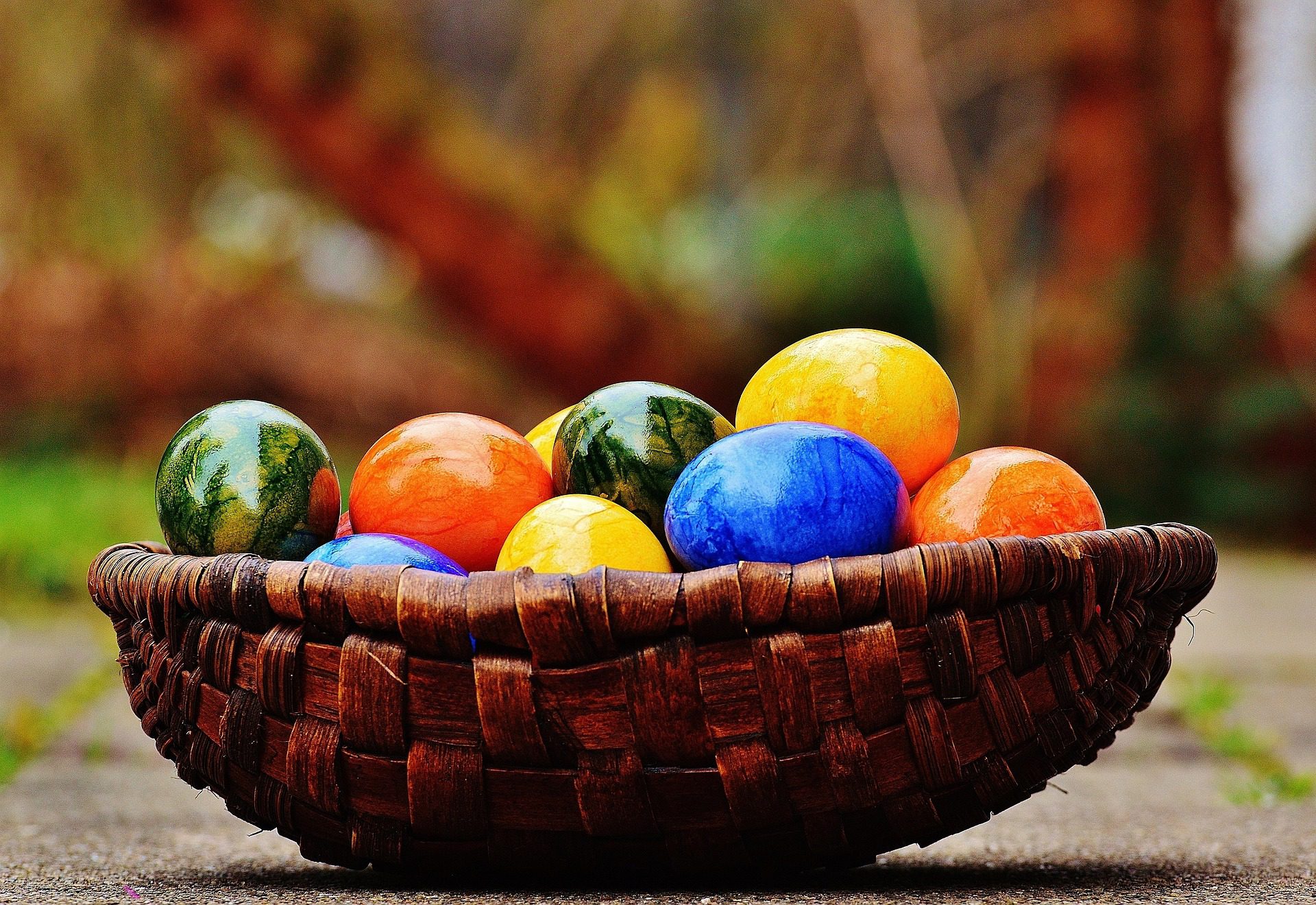
As mentioned, the Easter egg hunt remains a firm favourite. Children delight in scouring gardens for hidden chocolate treasures, enjoying the thrill of the race. In Manchester city centre, this often takes the form of interactive walking adventures around famous landmarks—perfect for a family day out.
However, the UK is also home to some delightfully quirky traditions:
- Egg Jarping: A competitive game where two players tap the pointed ends of their hard-boiled eggs against each other until one shell cracks.
- Hop Egg: Eggs are laid out on the ground, and teams take turns dancing among them, trying to avoid damaging the shells.
- Morris Dancing: Troupes of dancers—historically men, though now including female groups—perform traditional folk dances during Easter parades, often accompanied by bells and sticks.
- Egg Rolling: Children roll brightly decorated hard-boiled eggs down hills, competing to see whose egg travels the furthest.
Ultimately, Manchester’s Easter traditions are a seamless blend of the past and the present, making the holiday unforgettable for locals and tourists alike. Everyone can find something special here to create a lasting Easter memory.
Sources used: