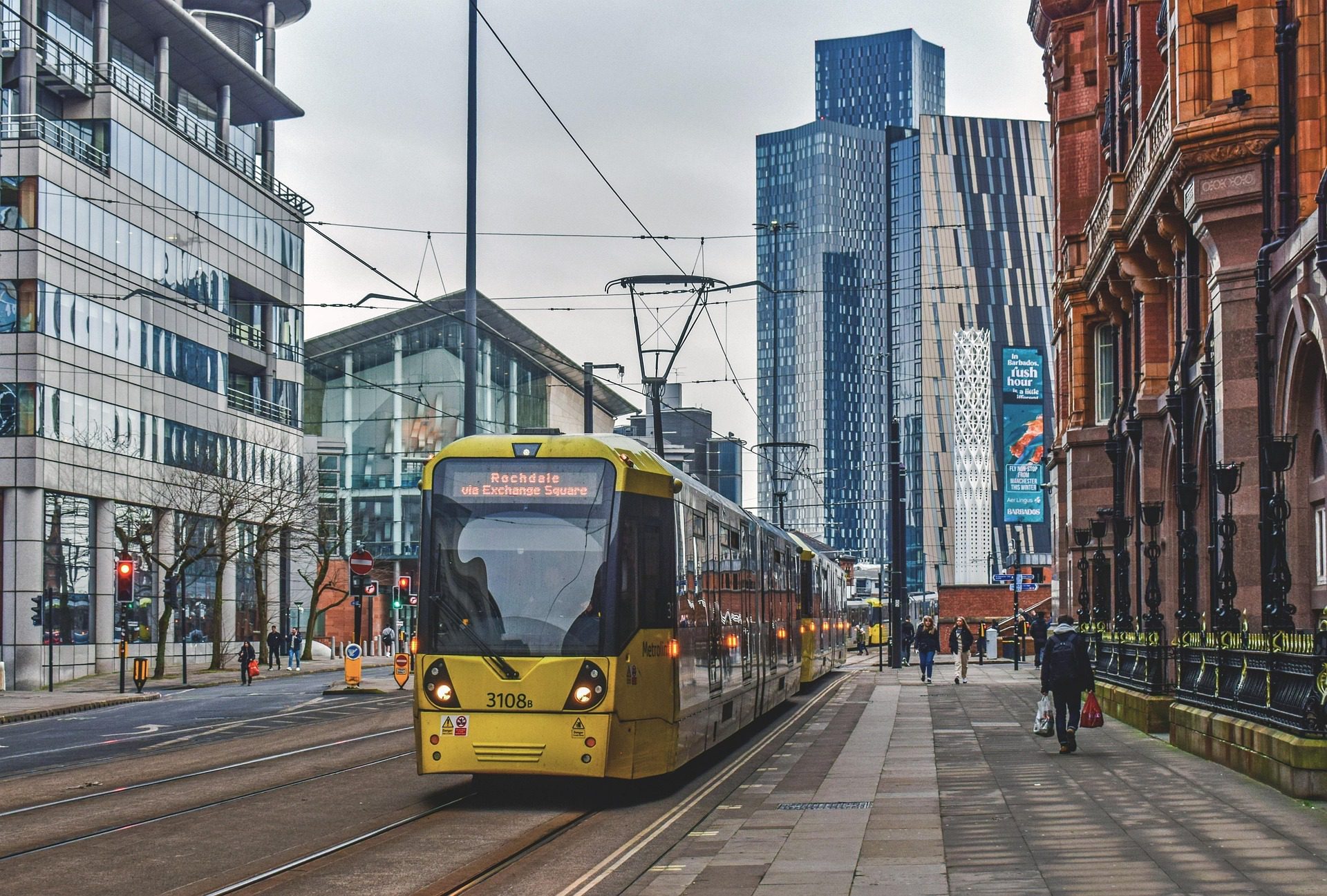

Manchester is evolving at pace, blending a history steeped in industrial heritage with a vibrant contemporary cultural scene. Once widely known as “Cottonopolis,” the city now attracts millions of tourists with its distinctive architecture, cultural landmarks, sport, and music.
In Manchester and the wider region, visitors can find almost everything: from historic museums to world-class sports arenas. Locals take immense pride in the city’s contributions to science, art, and football, while the streets are always alive with energy and rhythm. With over 200 languages spoken here, cultural diversity is simply a part of daily life. You can read more about interesting locations in the region and the city on the website imanchester.
Tips for Tourists
Following the devastation of the Second World War and the subsequent decline of manufacturing, Manchester faced significant social and economic challenges. Many factories closed and fell into disrepair. However, the 1996 IRA bombing became an unexpected catalyst for change, driving massive investment into the city’s development. This led to the creation of new landmarks, modernised transport, and a flourishing cultural scene. Today, the city stands as a symbol of resilience, renowned for its universities, media hubs, and cultural institutions.
Every traveller planning a visit should balance their time between museums, cultural sites, and green spaces. It is worth creating a bucket list of must-see places in the historic centre to truly feel the city’s atmosphere. Most museums and galleries are free of charge, making them accessible to tourists on any budget. for a deeper dive, walking tours of the historic centre are highly recommended—covering the Industrial Revolution, music, literature, and sport.
Here are a few practical tips to help travellers:
- Transport: It is best to use public transport to navigate the city and its outskirts, allowing you to see more locations. Bike rental services are also available.
- Weather: Always carry an umbrella or raincoat—Manchester weather is famous for a reason.
- Local Atmosphere: Don’t just stick to the famous monuments; explore the vibrant neighbourhoods to get a feel for the real city.
- Safety: Be mindful of pickpockets and keep valuables and documents distinct and secure.
It is impossible to list every spot worth visiting, but here are some of the most popular highlights.
Old Trafford Stadium
One of the city’s most iconic landmarks is Old Trafford, the home ground of Manchester United. Built in 1909 at a cost of around £60,000, it is a traditional four-sided stadium with stands close to the pitch.
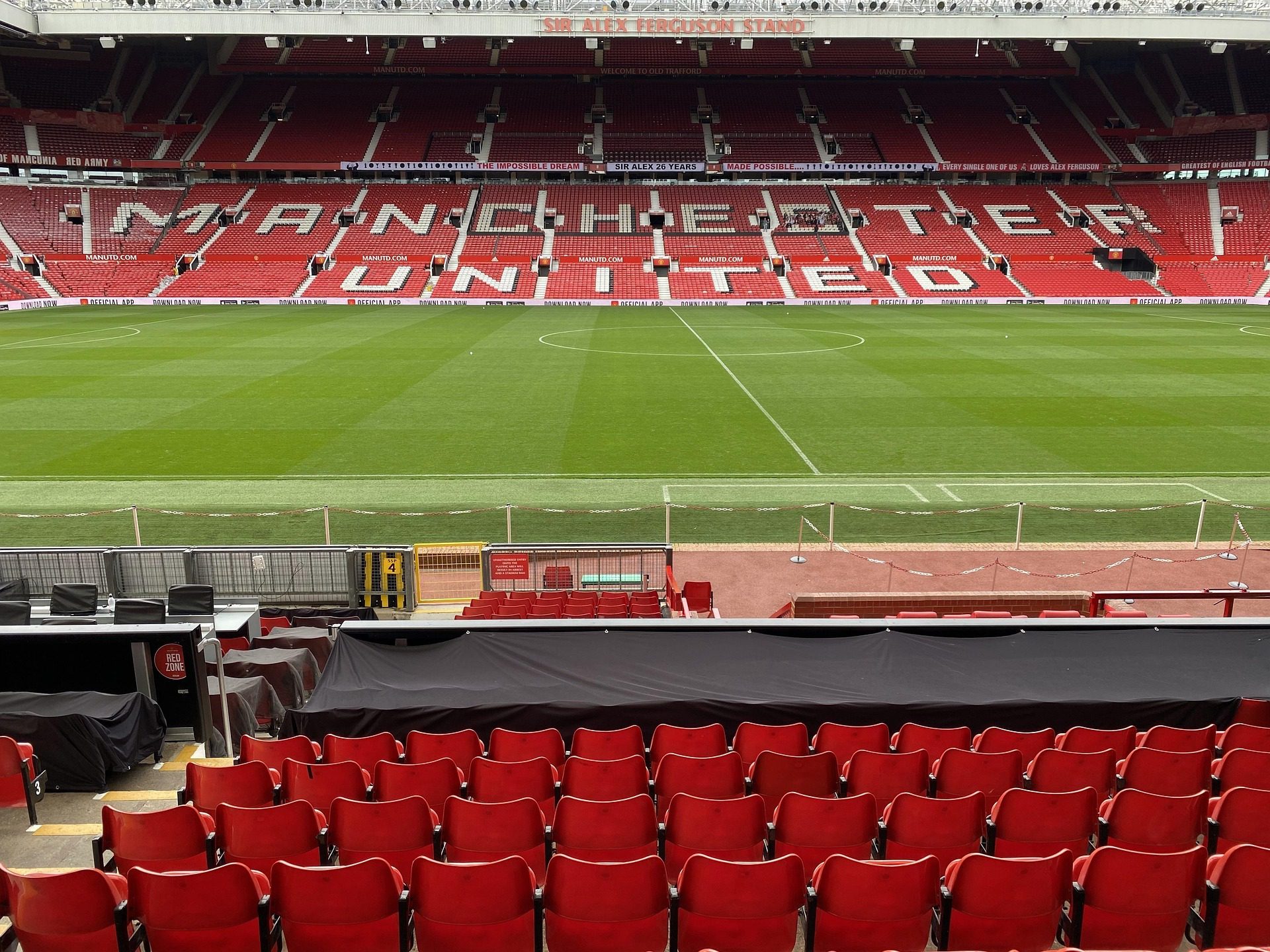
Officially opened in 1910, Old Trafford is the largest club stadium in the United Kingdom, second in capacity only to Wembley. As Manchester United is one of the country’s most successful clubs and a global brand, the stadium offers tours and a museum for visitors. You can view the building during matches, utilise corporate hospitality, or even book private hire.
The stadium has hosted major sporting events, including international England matches during the rebuilding of Wembley, the 2003 Champions League Final, and rugby league games. Musical legends such as Bon Jovi and Bruce Springsteen have also performed here. A visit allows you to understand the significance of football to the city, view the silverware, browse archival materials, and see legendary items in the team dressing room.
Manchester Art Gallery
The Manchester Art Gallery impresses tourists with both classic paintings and modern installations. The collection includes nearly 13,000 artworks, comprising paintings, drawings, sculptures, photographs, and decorative art. One can spend hours wandering the rooms and admiring the pieces.
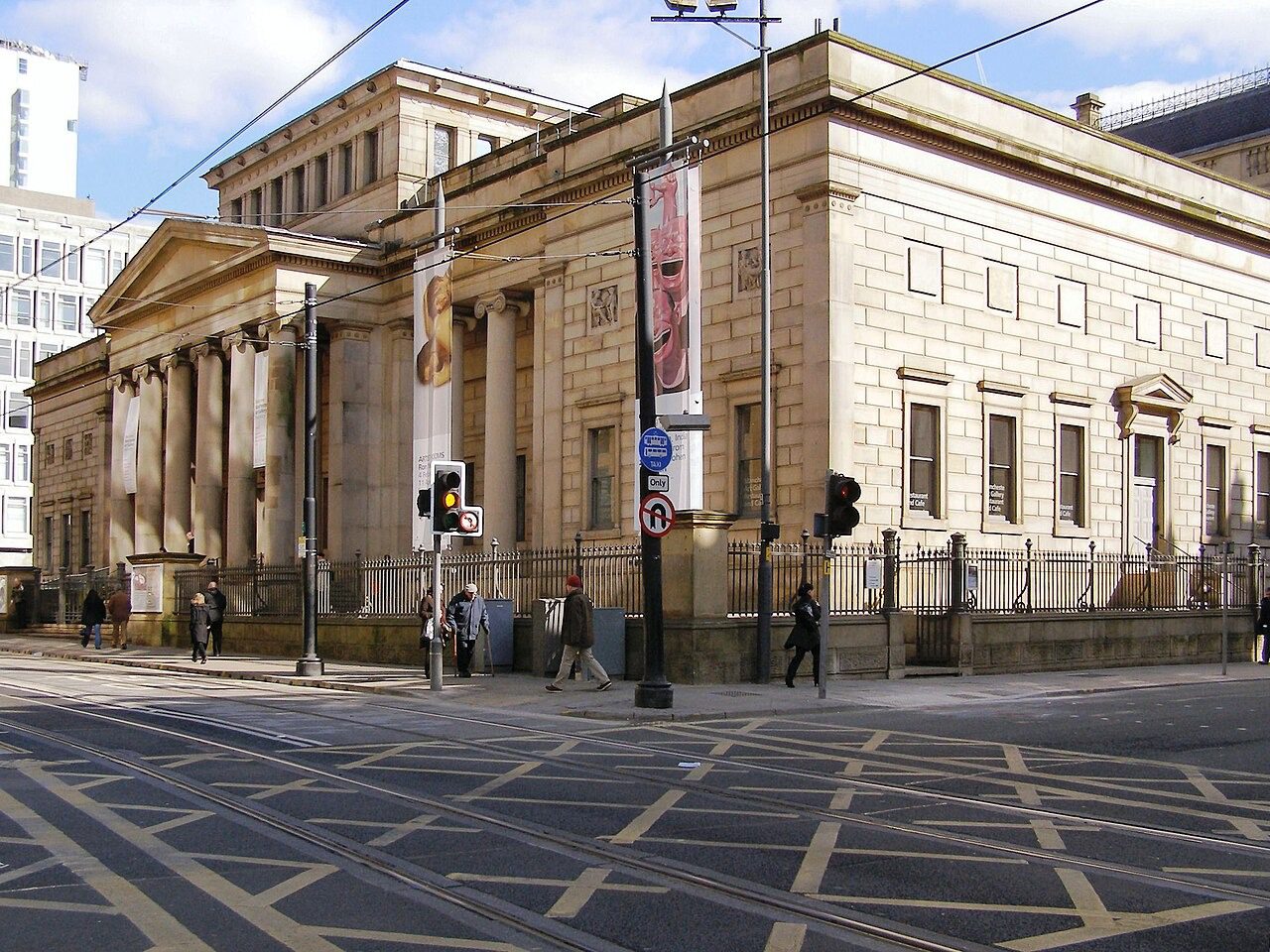
Special attention should be paid to the Pre-Raphaelite works, particularly those by Waterhouse and Millais, as well as the exquisite Grayson Perry vase—a highlight of the contemporary collection. A modern extension connects to the main building via a glass atrium and walkway. The gallery’s architecture perfectly reflects the blend of past and present found in the art itself.
The John Rylands Library
The neo-Gothic John Rylands Library stuns visitors with its interior and collection of rare books. It has been attracting visitors for over 100 years and is open to both tourists and scholars. It houses one of the finest collections of books, maps, manuscripts, and art objects, all set within amazing architectural features.
The reading room is particularly breathtaking, resembling a Gothic cathedral with beautiful arches and large stained-glass windows. The entrance hall is also a prime example of Victorian design. Downstairs, you can see original Victorian toilets dating back to 1900; they are still in use today and remain largely unchanged from that period. The library is located in the very heart of Manchester and is very easy to reach.
Piccadilly Gardens
Beyond architectural structures and monuments, the city’s green zones deserve a mention. Piccadilly Gardens is a green space in the city centre, named after the adjacent Piccadilly street. The area serves as a major transport hub with a bus station and tram stop, and is a short walk from the main railway station, making it a primary arrival point for travellers.
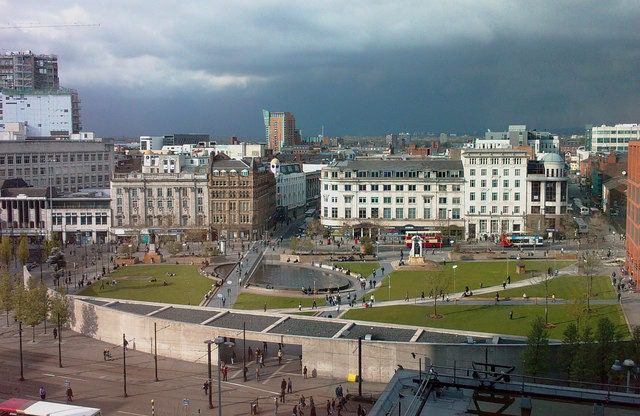
The gardens were laid out after the First World War on the site of the former Manchester Royal Infirmary. Originally landscaped as a decorative garden, the area was levelled and redesigned in 2002, adding a water feature and a concrete pavilion designed by Japanese architect Tadao Ando.
Piccadilly Gardens is situated just minutes from the bustling business and retail districts. Many surrounding shops and restaurants offer tourists a chance to grab a tasty lunch or do some shopping in a central location.
Science and Industry Museum
With so many first-class museums and galleries, even the most demanding tourist will find something of interest. One of the most popular is the Science and Industry Museum. It is located on the site of the world’s first inter-city passenger railway station, Manchester Liverpool Road. The museum houses working mill machinery and gas engines, allowing visitors to trace the development of science, technology, and industry with a focus on the city’s achievements.
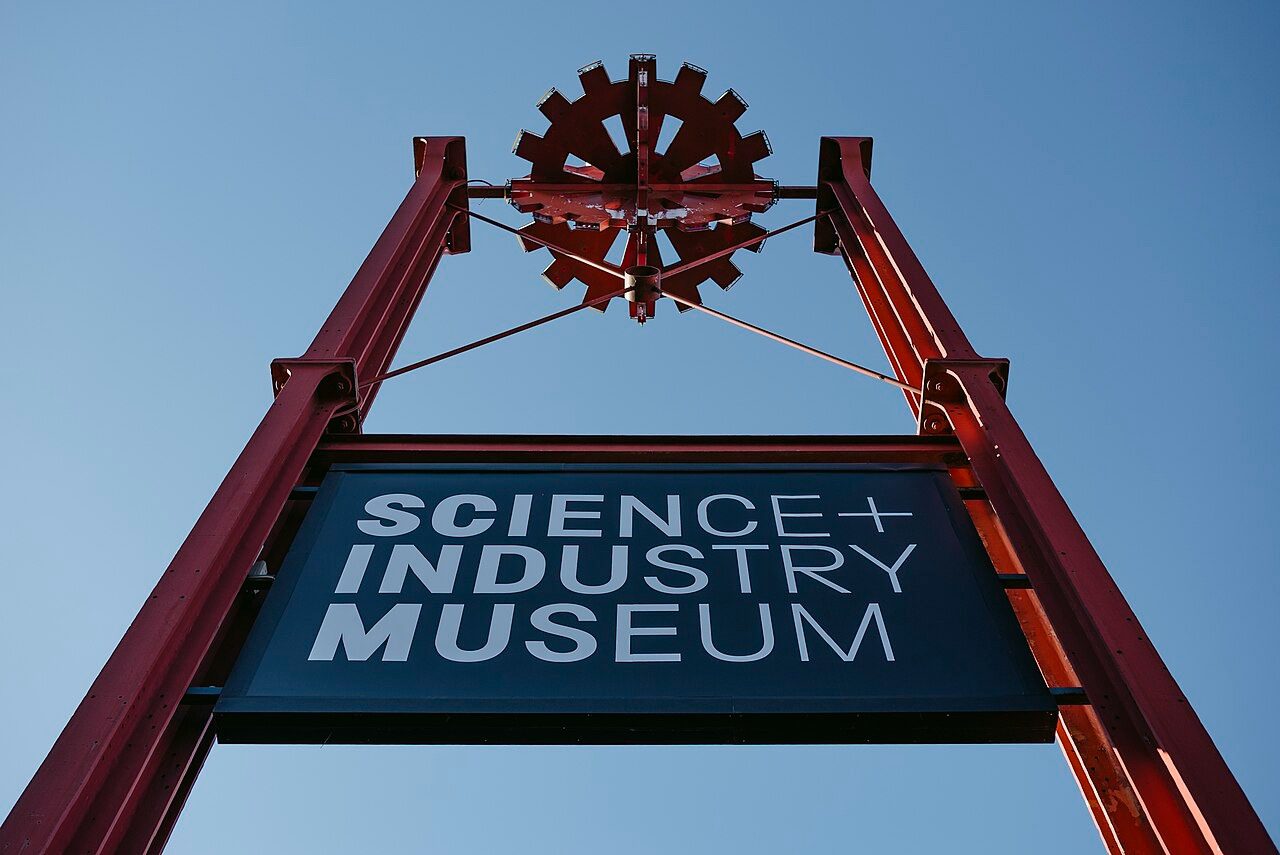
The museum also preserves transport heritage, from steam locomotives to aircraft. Since 2007, it has organised the annual Manchester Science Festival. However, it is worth noting that the Air and Space Hall closed in 2021. Items were returned to their original owners, while those belonging to the museum have been incorporated into future exhibits.
Nightlife
Those who enjoy entertainment and nightlife can explore the city’s music arenas. Co-op Live is the UK’s largest music arena, hosting superstar concerts, while the AO Arena remains a key venue for major shows. Nightlife also thrives in the theatres, clubs, and bars of the Northern Quarter, where you can immerse yourself in the fun and listen to cutting-edge music.
Ultimately, Manchester is a city that must be visited to see with your own eyes how history, culture, green parks, and modern entertainment intertwine. It is impossible to describe every top spot, but the variety of tourist locations is impressive. Every traveller can find something to suit their own tastes, making for a truly unforgettable trip.
Sources used: