

Innovator is a perfect word to describe the legendary figure of 19th-century Manchester, Lydia Becker. She left behind an important imprint in botanical research and the struggle for women’s suffrage. She was a bright representative of her era, a leader and an innovator. Becker developed herself and wanted to develop society, even though opportunities for women in science and human rights activities were severely limited at that time. Learn more at imanchester.info.
Becker’s early years
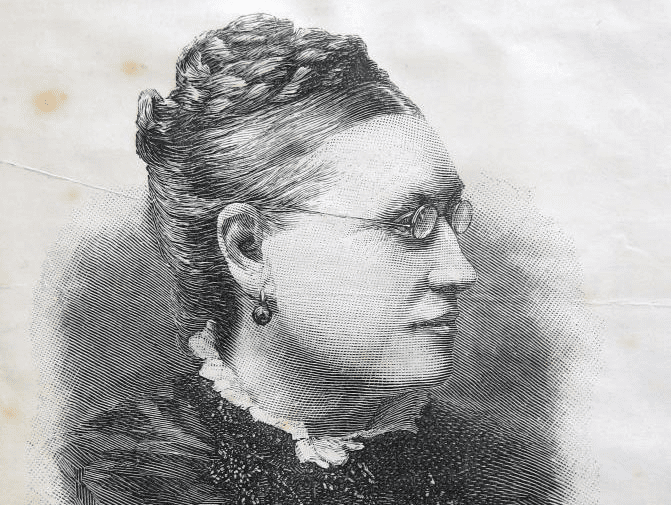
Lydia Becker was born in Deansgate, Manchester, in 1827. She grew up in a rapidly changing political and social atmosphere during the turbulent Industrial Revolution. That period wasn’t easy for the girl as well because women were deprived of many opportunities back then. Thus, Becker had to study at home instead of school. The young girl was very curious and had a constant thirst for knowledge. She was especially interested in botany and astronomy. At that time, she had no idea that botany would become the meaning of her life.
Scientific research and innovations in botany
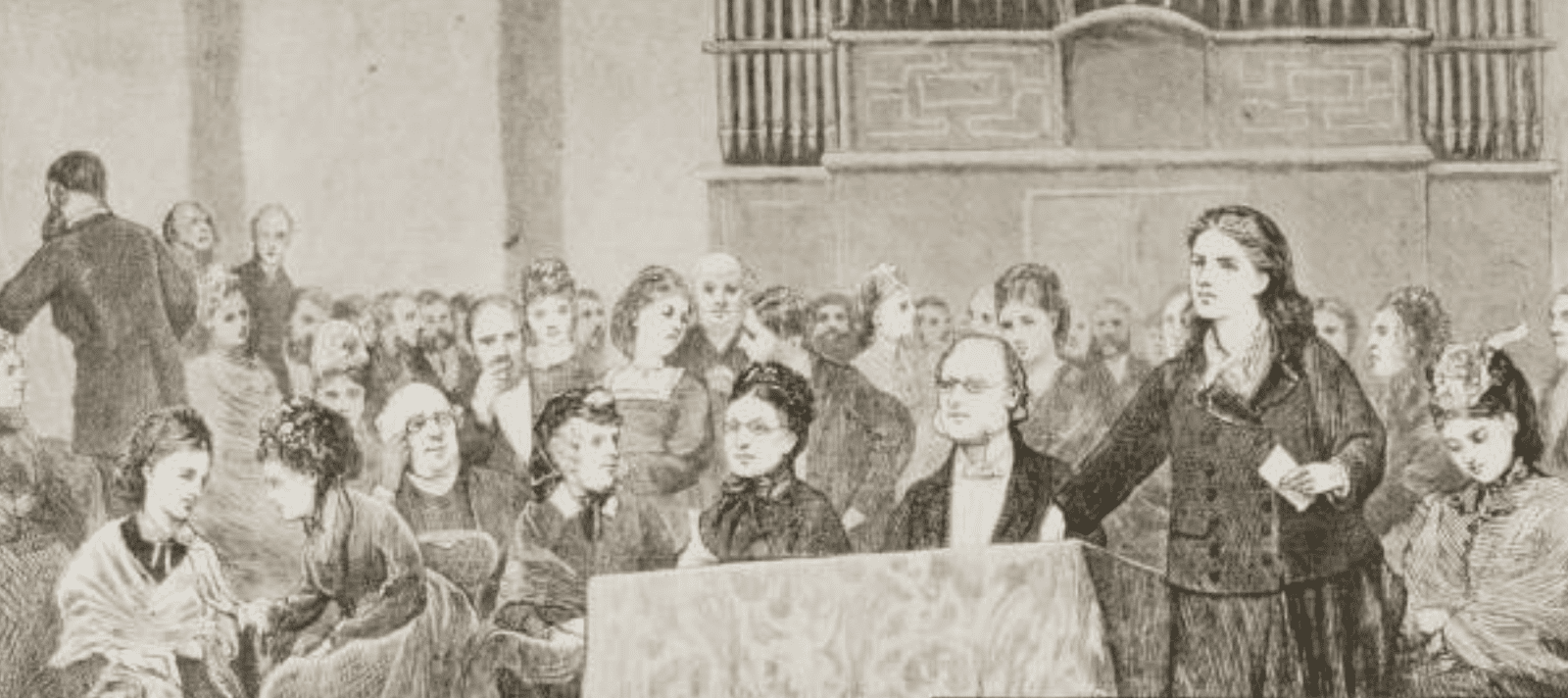
After Becker ended her home-schooling, she delved into botany even further. From a young age, she was driven by curiosity about the natural world. Even though nothing was expected of women in science in that era, Becker continued to study botany with great dedication and deep satisfaction. She studied various plants in detail, demonstrating a sharp intellect and deep knowledge in this field of science. Her relatives also encouraged such an interest. In addition, in 1862, Becker’s scholarly paper on horticulture won a gold medal.
In the 1860s, Becker began an active correspondence with the English naturalist, geologist and biologist Charles Darwin. She regularly sent him specimens of plants collected from Manchester’s fields, as well as her scientific achievements, including a copy of her book, Botany for Novices. In particular, she showed a deep interest in bisexual and hermaphrodite plants. Thanks to this, Becker made a significant contribution to Darwin’s scientific research and work.
Although it was difficult for 19th-century women to be engaged in scientific or any other activity, Becker managed to establish herself in botany. In the 1860s, she gained immense recognition from the scientific community for her contributions to the field. In addition, she created a unique collection of dried plants. She used her own method, thanks to which, the plants kept their original colour. Lydia was awarded a national prize for it. Throughout her life, Becker remained focused on botany. Still, an equally important place in her life was occupied by political activism, namely the struggle for women’s suffrage. Becker’s involvement in promoting and encouraging science education for girls and women also contributed to it.
Becker’s role in the fight for women’s rights
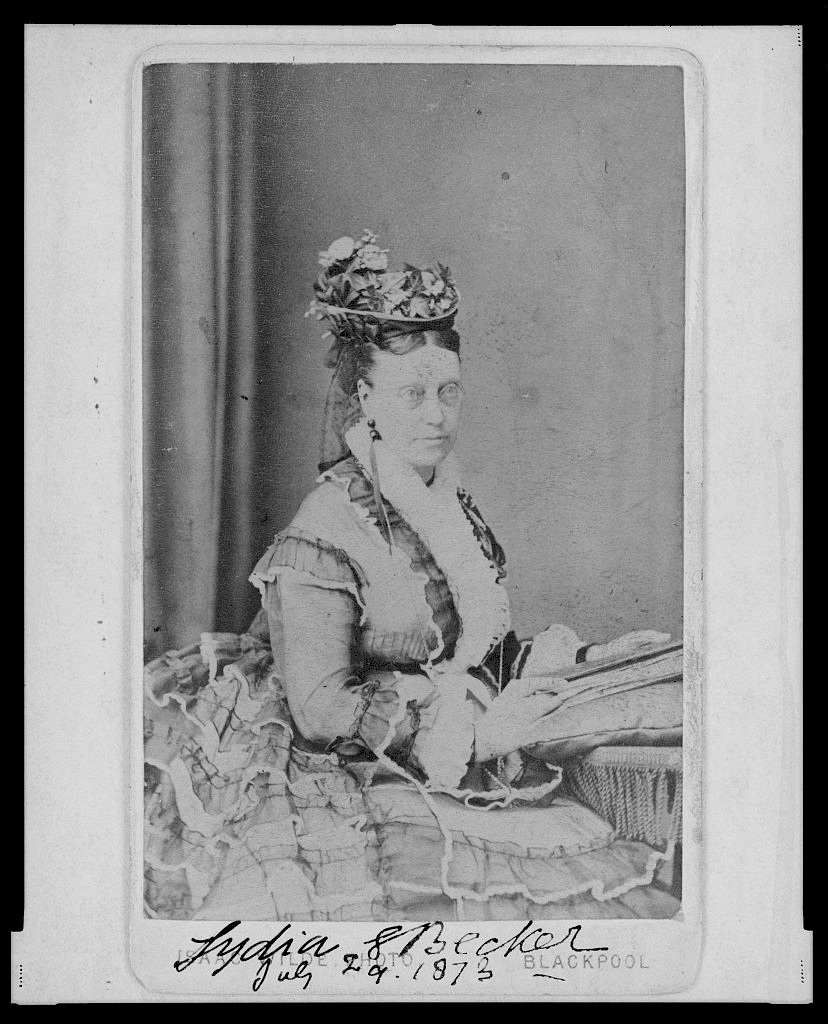
In addition to her scientific activities, Becker was an ardent defender of women’s rights in an era of gender inequality. In 1866, she founded the Manchester Women’s Suffrage Committee, a pioneering organisation at the time dedicated to securing the right to vote for women. Becker also started the Women’s Suffrage Journal. From a young age, Becker experienced all the difficulties of inequality and injustice, but she believed that equal rights for men and women were possible. Therefore, throughout her life, she relentlessly advocated for women’s suffrage along with other famous figures of the time.
Lydia Becker played a key role in both science and the suffrage movement. Her eloquent speeches and vivid statements resonated with many residents of Manchester in the 19th century. She tried in every possible way to change public opinion about women’s rights. The struggle for women’s suffrage continued for many decades, until in the 1920s, women were granted full voting rights in Great Britain. Although Becker didn’t witness this momentous event, her contribution to the movement laid the foundation for future generations of women.
The heart of the outstanding innovator, scientist and active public figure of Manchester stopped beating in 1890. She died at the age of 63. Lydia left behind a colossal imprint on the scientific world as well as the movement for women’s suffrage. Her legacy is a number of books about botany and suffrage, including
- Botany for Novices
- Female Suffrage
- Is there any Specific Distinction between Male and Female Intellect?
- On the Study of Science by Women
- The Political Disabilities of Women.
Throughout her life, Becker demonstrated her perseverance and grit. She proved that women are no different from men and deserve the same rights. Becker was one of the few figures of the 19th century who dared to challenge social norms. Undoubtedly, she left a huge legacy. Her activities have forever remained on the pages of the history of Manchester and the whole of Great Britain.