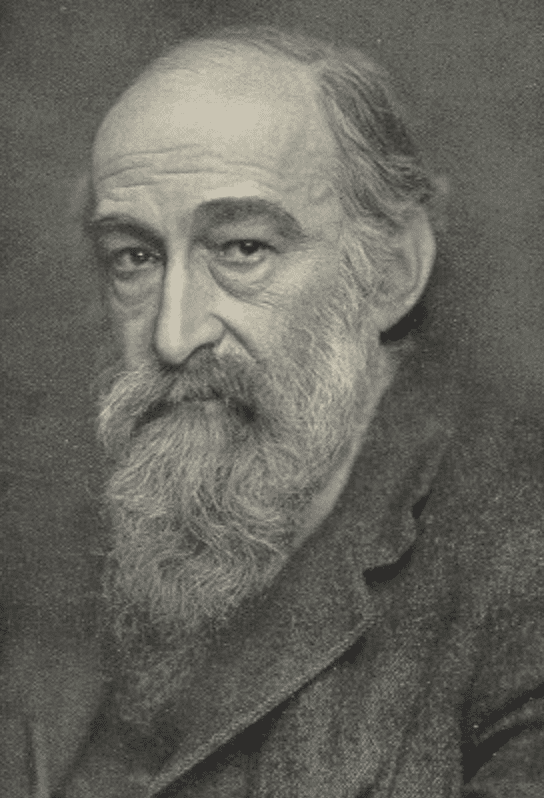

Manchester is not only renowned for its rich industrial history but also for its unique architectural landmarks and cultural institutions. Moreover, it has been home to numerous prominent figures in culture and science. Among them was Alexander Samuel, a celebrated 19th-century philosopher. He gained widespread recognition for his advocacy of emergentism, a concept pivotal for understanding complex systems in biology. Even in the 21st century, his work in this field remains highly relevant. Read more on imanchester.info.
A Glimpse into His Biography
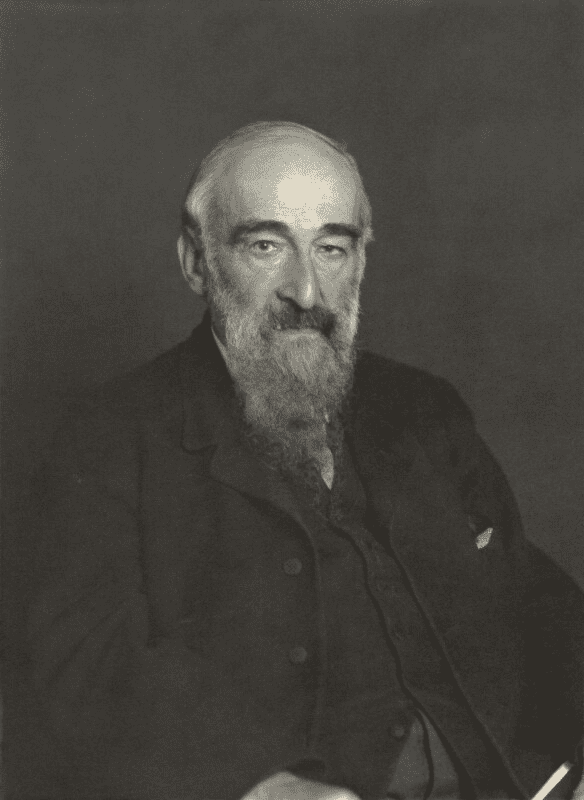
An intriguing fact about Alexander Samuel is that he was born thousands of miles from Manchester, in Sydney, Australia, in 1859.
From a young age, Samuel displayed remarkable intelligence and curiosity. His parents, British immigrants, instilled in their children a love for books and intellectual discussions, fostering Samuel’s passion for learning and exploring philosophical mysteries.
Tragedy struck the family shortly after Samuel’s birth when his father succumbed to tuberculosis. Consequently, his mother relocated from Sydney in search of a better life. The family settled in St. Kilda, where young Samuel was enrolled in a local private school between 1863 and 1864. By 1871, he had moved to Melbourne to continue his education at Wesley College. In 1875, he enrolled at the University of Melbourne but left after two years, realizing it was not the right path for him.
How Did Samuel Arrive in Manchester?
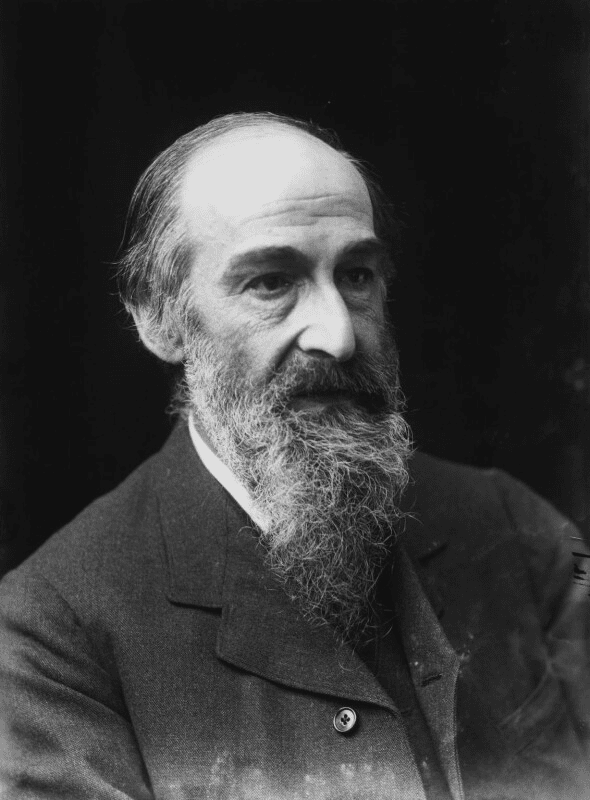
At the age of 18, after leaving university, Samuel moved to Britain, his parents’ homeland, where he would spend the rest of his life.
In Britain, Samuel aimed to secure a scholarship to Oxford or Cambridge. In 1878, he succeeded and was admitted to Balliol College, Oxford. By 1881, he earned a Bachelor’s degree, followed by a Master’s in 1884, and became a fellow of Lincoln College. Samuel taught philosophy there until 1893, developing a keen interest in psychology—a neglected subject at the time.
Samuel also traveled extensively across Europe, dedicating part of his career to working in Hugo Münsterberg’s laboratory in Germany, focusing on experimental psychology.
A particularly noteworthy aspect of Samuel’s life was his near-total deafness, which posed significant challenges, especially in his teaching career.
After his travels, Samuel sought to settle in Britain and applied multiple times for a position at Owens College in Manchester. Although initially rejected, he was finally appointed in 1893. Thus, Samuel arrived in Manchester, where he lived and worked until his death.
Samuel’s Philosophical Perspective
Samuel’s work centered on metaphysics and the philosophy of mind, but his development of emergentism brought him fame far beyond Manchester. Emergentism is a philosophical doctrine asserting that higher-level properties, such as consciousness or life, arise from complex interactions of lower-level physical processes and cannot be reduced to them. Samuel’s ideas were groundbreaking and revolutionary for the late 19th century.
One of the most compelling aspects of Samuel’s emergentism was its application to biology. He argued that biological organisms exhibit properties and behaviors that cannot be fully explained by their molecular and cellular components. Instead, these properties emerge from intricate and dynamic interactions within living systems.
For instance, while individual neurons in the brain can be studied in isolation, the phenomenon of consciousness arises only through their extraordinarily complex interactions. Samuel’s theory offered a new perspective on biological complexity, emphasizing the importance of holistic understanding.
Samuel’s work had a profound impact on biology, particularly in fields like systems biology and complexity theory. These disciplines examine how interactions within biological networks give rise to new properties and functions, underscoring the necessity of analyzing entire systems rather than just their parts.
His philosophical writings on emergentism influenced debates on the nature of the mind, consciousness, and free will. Samuel’s ideas laid the groundwork for the assertion that mental states and experiences are real phenomena arising from physical brain states but cannot be reduced to them.
Legacy and Recognition
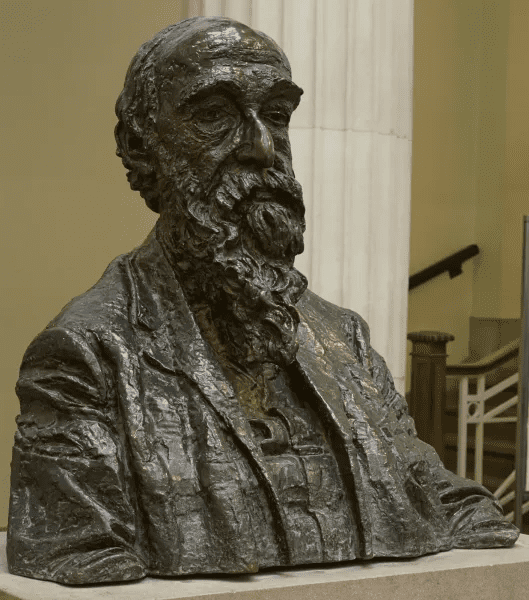
Samuel dedicated his life to philosophy, earning numerous accolades for his contributions to science. Manchester University honored him with a bust in recognition of his work.
The distinguished philosopher passed away in 1938 at the age of 79. He is buried in Manchester’s Southern Cemetery.
He never married or had children, devoting his entire life to his career. Upon his death, Samuel bequeathed his wealth to the Hebrew University of Jerusalem and Manchester University, ensuring his legacy would continue to support education and research.