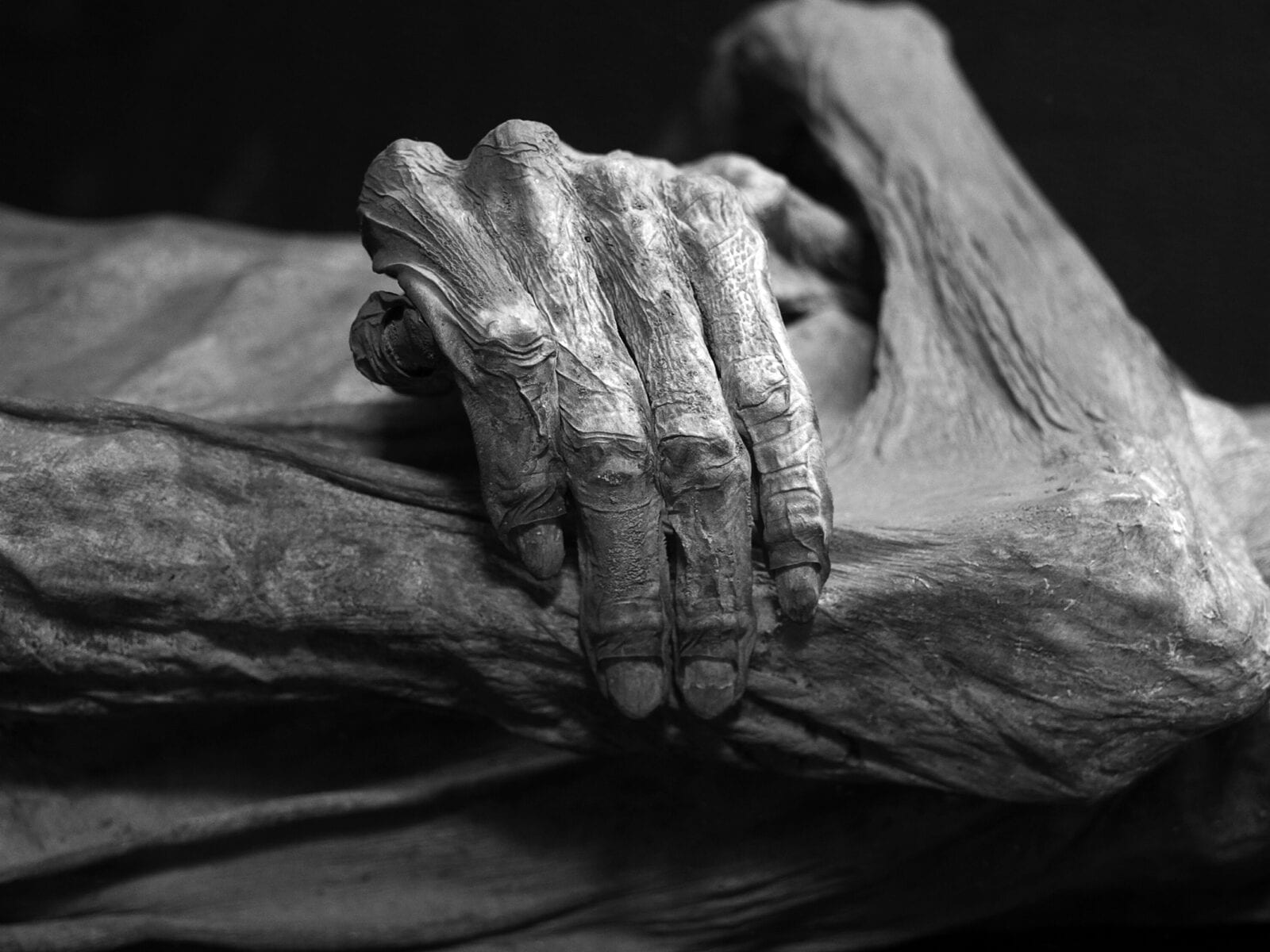

Taphephobia is the fear of being buried alive. This phobia was quite common in British society in the 18th century. The reason was that medicine of that time often declared unconscious people or those in a coma dead. In order to make sure whether a person really died, doctors used quite inhumane methods, such as pouring vinegar and pepper into the mouth or cauterising the body with a hot poker.
Taphephobia gave rise to the legend of the Manchester Mummy. It was the mummified remains of Hannah Beswick, who was very afraid that she would be buried alive. After all, this almost happened to her brother, notes imanchester.info.
A funeral with an unexpected ending
Hannah Beswick was a wealthy resident of Oldham, Greater Manchester. She was born into a rich family in Manchester in 1688. Beswick wasn’t the only child and had several brothers, although historical sources didn’t specify the exact number.
Hannah Beswick inherited a considerable sum from her father, who died in 1706, and thus, became a wealthy lady.
At the funeral of John Beswick, one of the brothers, Hannah experienced a real horror because her relative was almost buried alive. The coffin was about to be closed when suddenly the mourner saw that the eyelids of the “deceased” were trembling.
After that, Hannah’s brother was examined by their family doctor, Charles White. He confirmed that the man was alive. Soon, John Beswick came to his senses and, if we believe the stories that have reached our days, he lived for more than one year.
After that incident, Hannah Beswick suffered from a fear of being buried prematurely. It is worth noting that at that time, this phobia haunted not only her. Creepy publications about such burials appeared repeatedly in the columns of newspapers. Therefore, Mrs. Beswick asked her family doctor, Charles White, to keep her above ground for a hundred years after her death and periodically check to see if she was alive. According to some sources, the woman bequeathed £25,000 to the doctor. However, they said that the sum for fulfilling such an unusual request was much more modest, only £400.
Embalmment
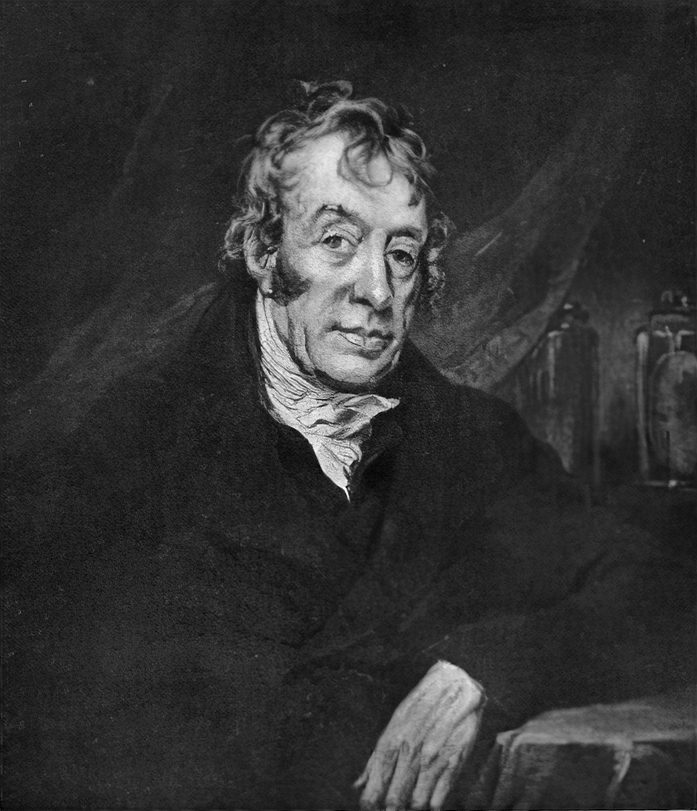
Hannah Beswick died in February 1758. Dr. White decided to embalm the old lady’s body, even though she hadn’t asked for it in her will. It is worth noting that Charles White was interested in anatomy and anthropology. He was also fascinated by the ancient Egyptian ritual of mummification.
Nobody knows for sure which embalming method Dr. White used to mummify Hannah Beswick’s body. However, researchers believe that White used the so-called arterial embalming method. He could take it over from the anatomist and obstetrician William Hunter, with whom White studied in London.
How to perform arterial embalming? First, an embalming mixture is injected into the veins and arteries. In the 18th century, it was a mixture of turpentine and vermilion. After that, the entrails are removed from the thoracic and abdominal cavities and placed in water in order to clean them and reduce their volume. The next step was to pump the blood from the corpse. Then the entrails were placed back into the body cavity, sewn up, smeared with tar and placed in a box filled with plaster.
Initially, the mummified body of Hannah Beswick was kept in her relative’s house. But soon, the mummy was taken to Dr. White’s collection of mummified remains and anthropological artefacts.
People who wanted to see the Manchester Mummy often visited that place.
The further fate of the mummy
Dr. Charles White passed away in 1813. He bequeathed the mummy of Hannah Beswick to his colleague, Dr. Ollier. When the latter died in 1828, Mrs. Beswick’s embalmed body ended up in the Museum of the Manchester Natural History Society. Since then, the embalmed body of Hannah Beswick has been called the Manchester Mummy. It took an honourable place next to Peruvian and ancient Egyptian mummies.
Unfortunately, no sketch or photo of Hannah Beswick’s mummy has survived. However, local historian Philip Wentworth wrote:
“The body was well preserved but the face was shrivelled and black. The legs and trunks were tightly bound in a strong cloth…”
Hannah Beswick’s funeral was held on July 22, 1868 (110 years after her death). Beswick was buried in Harpurhey Cemetery on the north-eastern outskirts of Manchester.
Interestingly, Hannah Beswick’s grave is unmarked. This was done to deter robbers and treasure hunters in cemeteries.
This was how the strange will of Hannah Beswick was fulfilled.