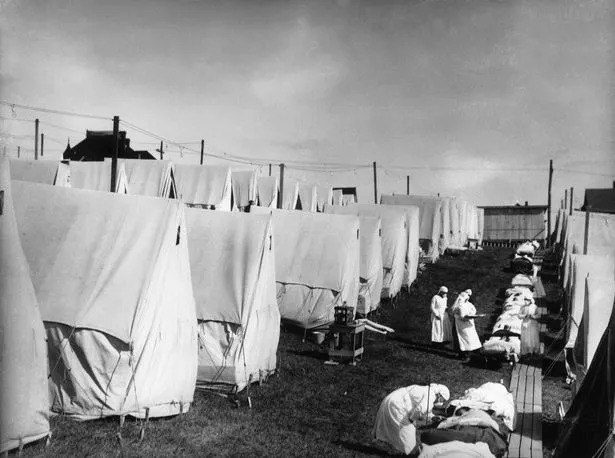

The Great Influenza epidemic, or the so-called “Spanish flu”, is the largest flu pandemic in human history. It broke out in the last months of the First World War and, according to researchers, the death toll significantly exceeded the number of victims of this war. “Spanish flu” turned out to be deadly not only for the elderly, pregnant women and children but also for healthy young people aged 20-40, notes imanchester.info.
The British city of Manchester didn’t escape that disease. Here, the peak incidence of “Spanish flu” occurred in the autumn of 1918. In this article, we will tell you about how the city survived this upheaval.
“Spanish flu” and the origin of its name
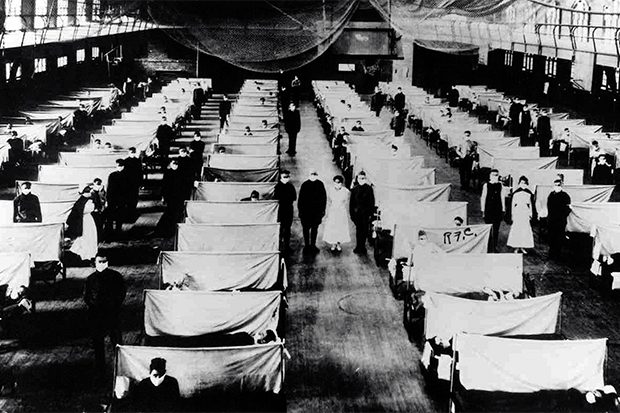
The “Spanish flu” pandemic shook humanity in the period from January 1918 to December 1920. This infectious disease affected a quarter of the population of the planet, which is about 500 million people. The estimates regarding the number of deaths differ. According to some data, 17 million people became victims of the pandemic, while others claim 50 million. However, some researchers talk about 100 million people.
At first, the doctors of that time mistakenly believed that “Spanish flu” was deadly only for vulnerable categories, such as children, the elderly and pregnant women. However, it turned out that this disease kills healthy people of young and working age as well.
Researchers believe the war directly influenced the high death rates. Mentally and physically exhausted soldiers, who also experienced combat stress, became much more vulnerable to this influenza virus.
So, why was it called “Spanish flu”? You may mistakenly assume that Spain became the centre of the disease spread. However, in fact, that was the way the military censorship hid or downplayed the scale of the disease in many countries because they didn’t want to undermine the morale of the soldiers. Spain at that time was a neutral country where military censorship didn’t exist. The local press openly talked about the spread and consequences of the disease, so people thought that Spain was its epicentre. That’s why it was called “Spanish flu”.
“Spanish flu” in Manchester
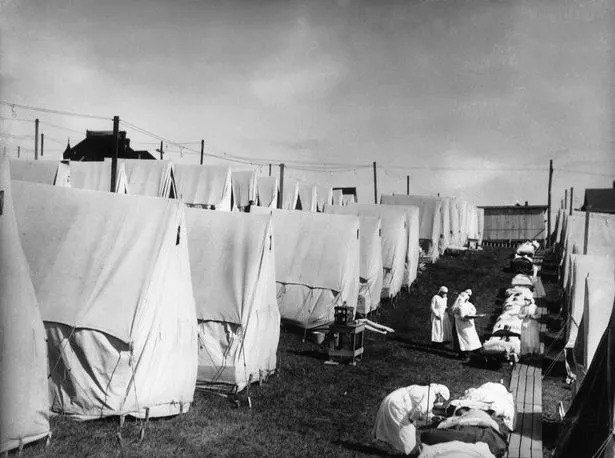
The “Spanish flu” epidemic began in Manchester in the spring of 1918. Its second wave occurred in the autumn of the same year and ended in the spring of 1919. We can learn about the appearance and spread of the infection in Manchester thanks to the preserved examples of the press of that time, in particular, the authoritative The Guardian newspaper edition. In an article dated June 26, 1918, the publication says that the disease “is now definitely established in Manchester and Salford.” Some schools were closed due to the spread of the disease. The factories and enterprises began to feel the lack of workforce.
An article dated July 10, 1918, reports 100 deaths in the past week caused by influenza and its consequences, such as pneumonia. Later, the incidence in Manchester declined for a short time. The second wave of the “Spanish flu” began in the city in the autumn of 1918.
It is worth noting that the Prime Minister of Great Britain, David Lloyd George, visited the city in September 1918. A whole crowd of Manchester residents gathered to see him. After that visit, the politician caught the flu virus too. He was bedridden for 11 days and was even connected to a ventilator. Fortunately, Lloyd George managed to survive.
After the Prime Minister’s visit, the incidence rate in the city climbed, as people had gathered in large crowds and contacted with each other. At the end of November 1918, more than 300 people were dying every week from “Spanish flu” in Manchester. The incidence declined only in the spring of 1919.
The role of Dr. James Niven
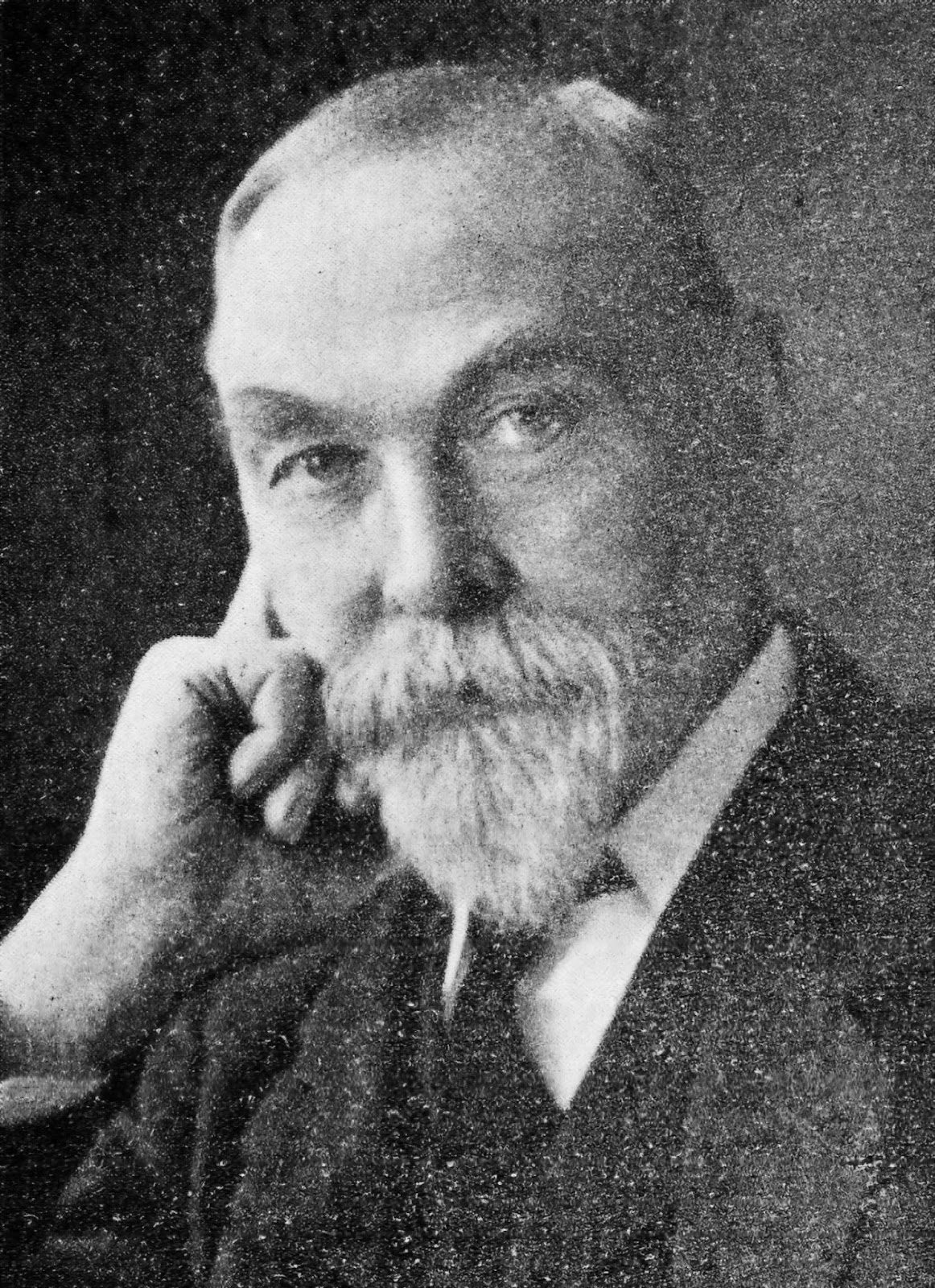
When talking about the “Spanish flu” epidemic in Manchester, we cannot miss mentioning the Scottish doctor James Niven. He was a Medical Officer for Health in the city. Niven went to great lengths to stop the spread of the disease. He was one of the first doctors who emphasised the importance of preventive measures in the fight against “Spanish flu”.
Above all, Niven advocated isolating patients as soon as they developed symptoms. He recommended closing all schools, cinemas and other public places. Dr. Niven urged people not to assemble and follow the rules of the so-called social distance. However, this term didn’t exist at that time. It appeared at the height of the coronavirus pandemic in 2020.
James Niven distributed more than 35,000 leaflets across Manchester, giving local residents advice on how to prevent contracting the “Spanish flu” and instructions on how to isolate those who already did.
In addition to keeping a distance between the sick and the healthy, Dr. Niven advised careful hand hygiene and avoiding the use of common towels and soap. In a word, people should follow elementary rules of hygiene.
James Niven also organised the distribution of food for the poor strata of the population because obviously, any infectious diseases quickly affect weakened people.
James Niven’s efforts to combat the “Spanish flu” in Manchester formed the basis of the 2009 BBC TV drama Spanish Flu: The Forgotten Fallen, which tells about the outbreak of this disease in Great Britain.