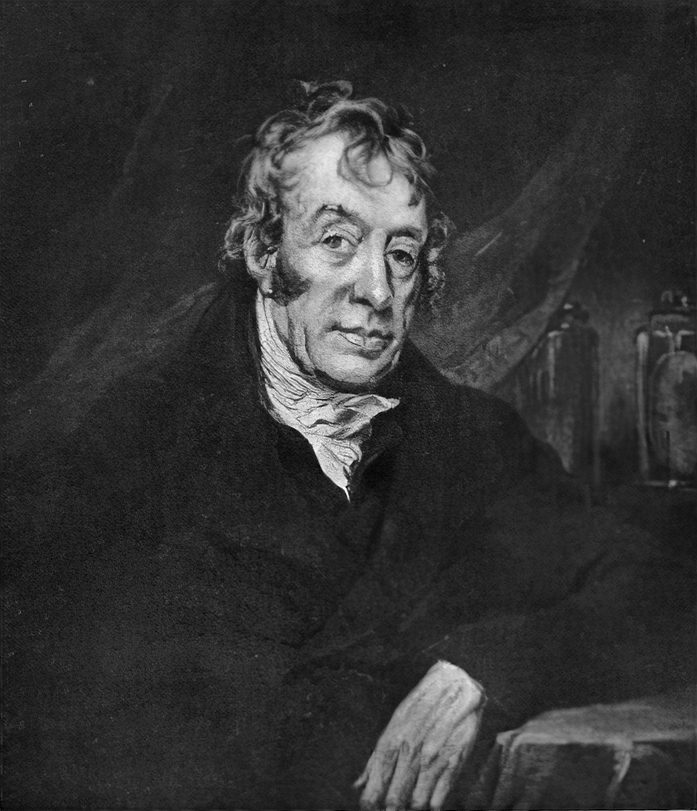

Charles White went down in history as one of Manchester’s most prominent doctors. He was a talented orthopaedic surgeon who introduced innovative methods in the treatment of fractures, abscesses, etc. In addition, White was well-versed in obstetrics. His medical works in obstetrics and gynaecology were applied by subsequent generations of doctors.
In addition, Charles White co-founded Manchester Royal Infirmary and St Mary’s Hospital for Lying in Women. He also kept the so-called Manchester mummy for a long time. Learn more about it and other topics at imanchester.info.
Doctor by inheritance
Charles White was born in Manchester on October 4, 1728. He was the only child in the family of surgeon and obstetrician Thomas White and his wife Rosamond. Young Charles was educated by Rev. Radcliffe Russell. In 1742, he became an assistant to his father. As a 14-year-old teenager, he helped him during surgeries and labours.
Having acquired a lot of knowledge and practice, Charles went to London to study medicine, in particular obstetrics. In 1748, after completing his studies in London, the future doctor continued it in Edinburgh. Charles White returned to his native Manchester in 1751 and began working as an assistant to his father again.
Surgical and obstetric practice
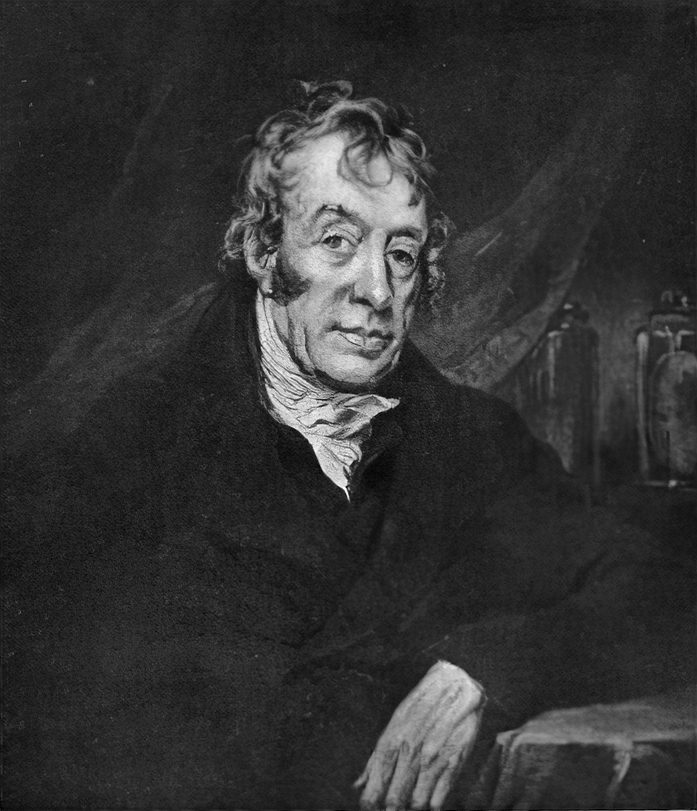
In the 1750s, Charles White was considered a talented and innovative surgeon. It should be noted that White specialised in surgical orthopaedics and traumatology.
In 1760, he presented his research paper, which described his successful treatment of a broken arm by joining a fractured bone. As an orthopaedic surgeon, White also developed a method of treating shoulder dislocations. In addition, he introduced sponges as a means to stop bleeding instead of previously used ligature. The sponge worked more effectively and didn’t cause as much pain to the patient as a ligature.
During his medical practice, White saved his patients from limb amputation several times. In 1768, a 14-year-old boy with infectious osteomyelitis of the head of the humerus came to Charles White. The boy developed an abscess, which meant that the limb had to be amputated.
However, White decided to use a different method. He cut out the head of the humerus. After the operation, the teenager’s hand was not only preserved but also functioned normally. Of course, in the 21st century, such methods seem somewhat strange and risky because medicine has developed significantly. Still, given the knowledge and resources of doctors at the time, Dr. White made a correct and wise decision.
Charles White was also highly regarded as an obstetrician and gynaecologist. His work Treatise on the Management of Pregnant and Lying-in Women, which was published in 1773, proposed significant changes in the care of pregnant women and women in labour.
Doctor White emphasised the observance of basic hygiene rules during childbirth, first of all, mandatory hand washing. You will probably wonder if it is possible otherwise. As it turns out, in the 18th century, doctors didn’t follow elementary hygiene rules and there were no antiseptics at that time. In addition, deliveries were often taken by students who had previously studied anatomy on cadavers. Not having washed their hands, they could interact with the woman in labour. As a result, they infected the woman’s body, which often led to sepsis and death.
Dr. White managed to significantly reduce the mortality rate among women in childbirth. Thanks to his rules, thousands of lives were saved.
He also introduced new rules for the care of women in the post-labour period. At that time, it was considered normal for a woman to lie in a horizontal position for several days after giving birth. However, Dr. White recommended they move moderately to avoid stagnation of lochia (postpartum secretions) and, accordingly, the inflammatory process.
In general, Charles White was a good expert on human anatomy. He lectured on this subject at his house in King Street.
White was also interested in anthropology and anthropometry. He was a supporter of polygenism, teaching in anthropology that considers human races as different species that have independent origins.
The famous Manchester doctor was also distinguished by his active social activities. In the 1760s, he became a member of the Company of Surgeons. In addition, Charles White and local industrialist Joseph Bancroft co-founded Manchester Royal Infirmary in 1752. White was the honorary surgeon of this hospital until 1790. In the same year, White, together with his son Thomas, who followed in the footsteps of his father and grandfather, founded St. Mary’s Hospital for Lying in Women in Manchester.
Manchester mummy
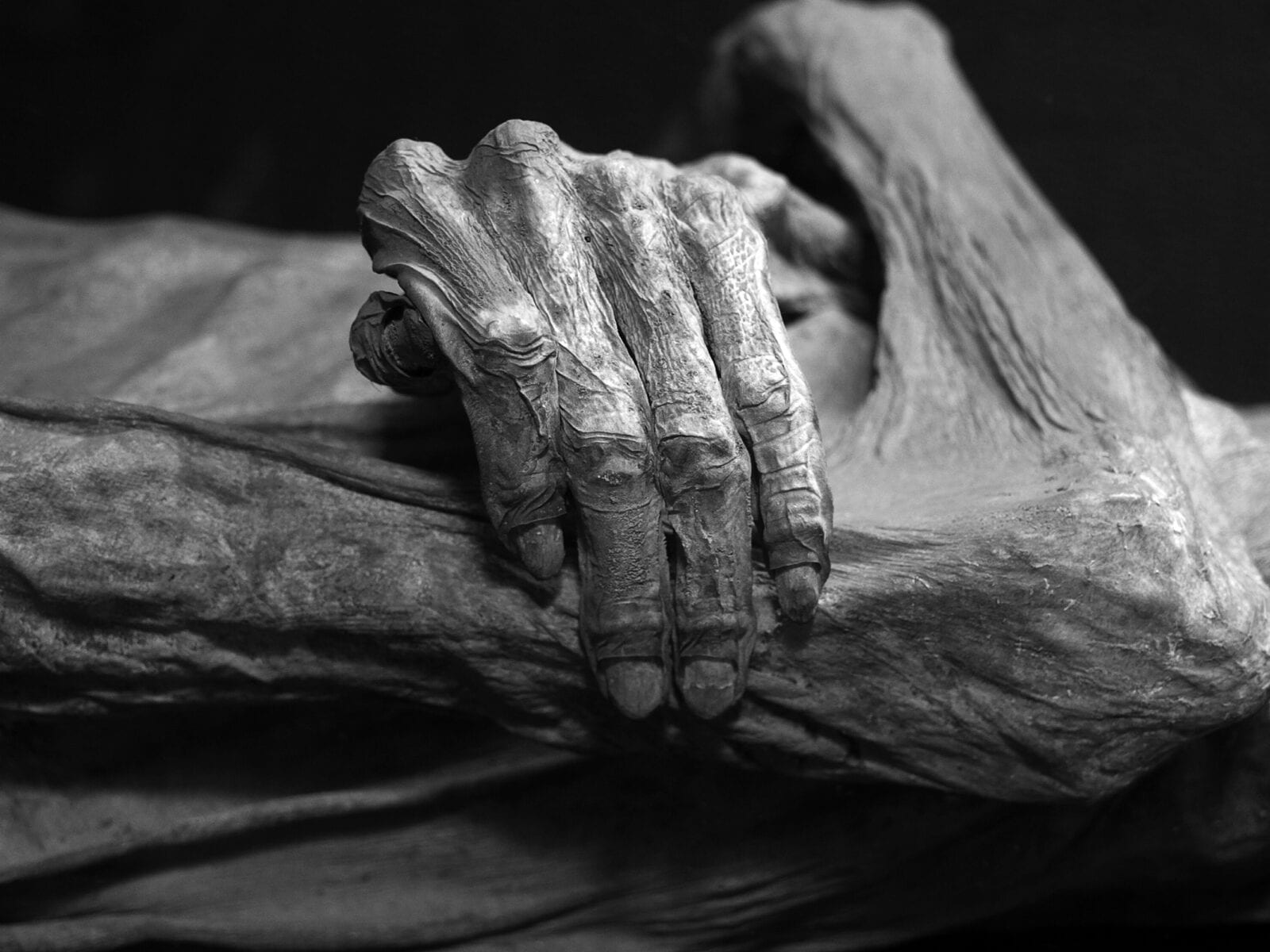
At first glance, this story should be related to something mystical. However, it’s only science. As we already mentioned, Dr. White kept the so-called Manchester mummy in his home. It was the embalmed body of a Manchester resident, Hannah Beswick. White was the family doctor for this woman and her family, in particular her brother John Beswick.
According to the legend, John Beswick suddenly came to life at his funeral. Dr. White was also present there. Beswick’s coffin was about to be closed when suddenly the mourner noticed that the eyelids of the “deceased” were trembling. Then Dr. White examined the man and confirmed that he was indeed still alive. It turned out that the man was in a coma. A few days after his funeral, John came to his senses and, if you believe the stories, lived for more than a year.
After that somewhat creepy story, many Manchester residents developed a phobia of being buried alive. John Beswick’s sister, the aforementioned Hannah Beswick, was especially afraid of this. After the incident with her brother, Hannah asked Dr. White to keep her above the earth for 100 years after her death. To be sure that her unusual request would be fulfilled, Beswick bequeathed White a generous sum in her will.
Hannah Beswick died in 1758. However, a miracle didn’t happen to her and she didn’t come to life like her brother. So, Charles White embalmed the woman’s body. He kept the so-called Manchester mummy in his home museum along with other pathological specimens. After the death of Dr. White in 1813, the mummy ended up in a Manchester museum and was placed near other archaeological and anthropological exhibits.
Family life
In 1757, Charles White married Ann Bradshaw, the daughter of the High Sheriff of Lancaster. The couple had eight children, four sons and the same number of daughters. White’s two sons decided to follow in their father’s footsteps and became doctors. Unfortunately, they and two other sons of White weren’t destined to live a long life. A well-known Manchester doctor and his wife suffered great grief, as they buried all four of their sons.
In 1803, White faced some vision problems. The disease first affected his left eye. Nevertheless, he continued to work. However, in 1811, the doctor’s second eye also began to go blind, and soon, he became completely blind.
Charles White died at his home in Sale, near Manchester, on February 20, 1813. Dr. White was far ahead of his contemporaries, as he introduced many new and progressive ideas into surgery and obstetrics, saving many lives.