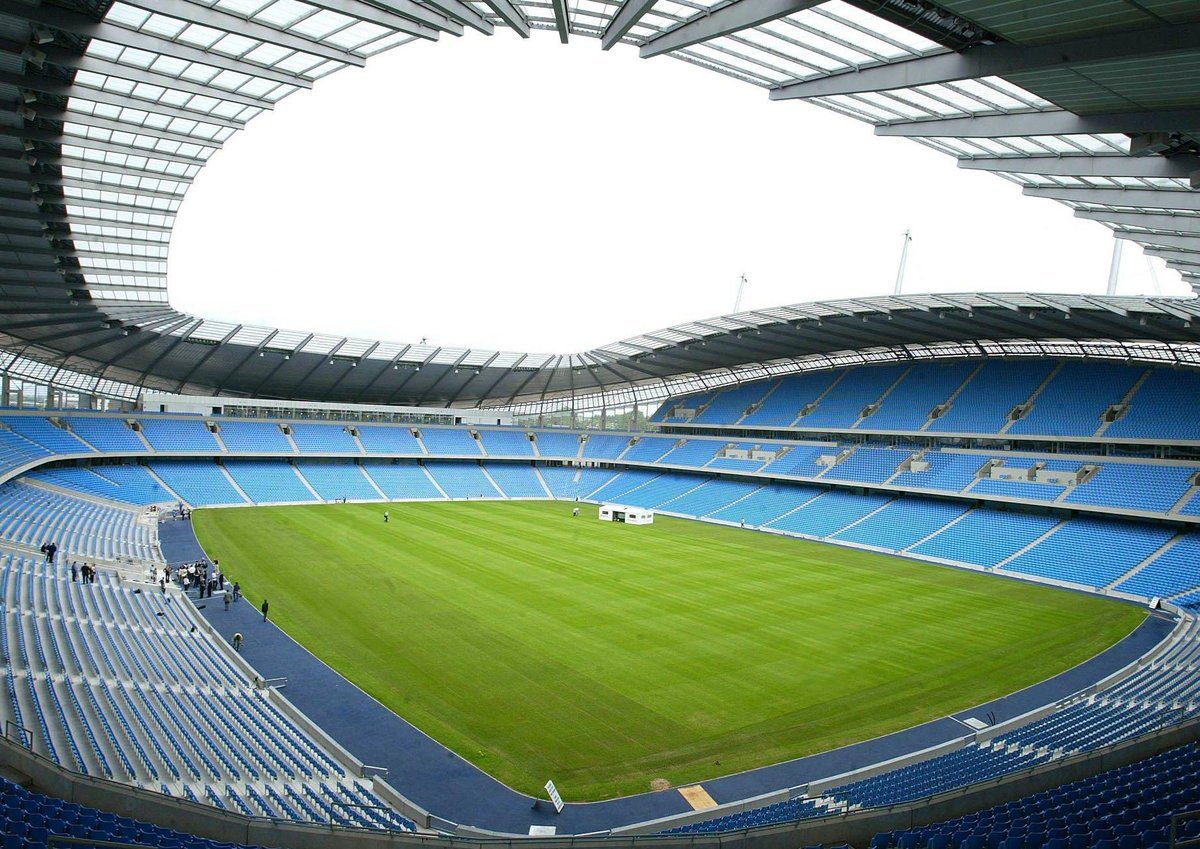

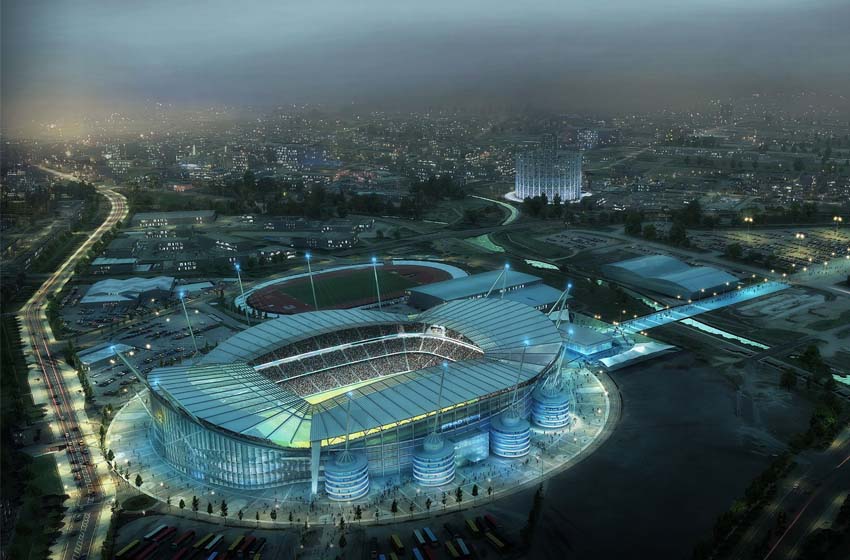
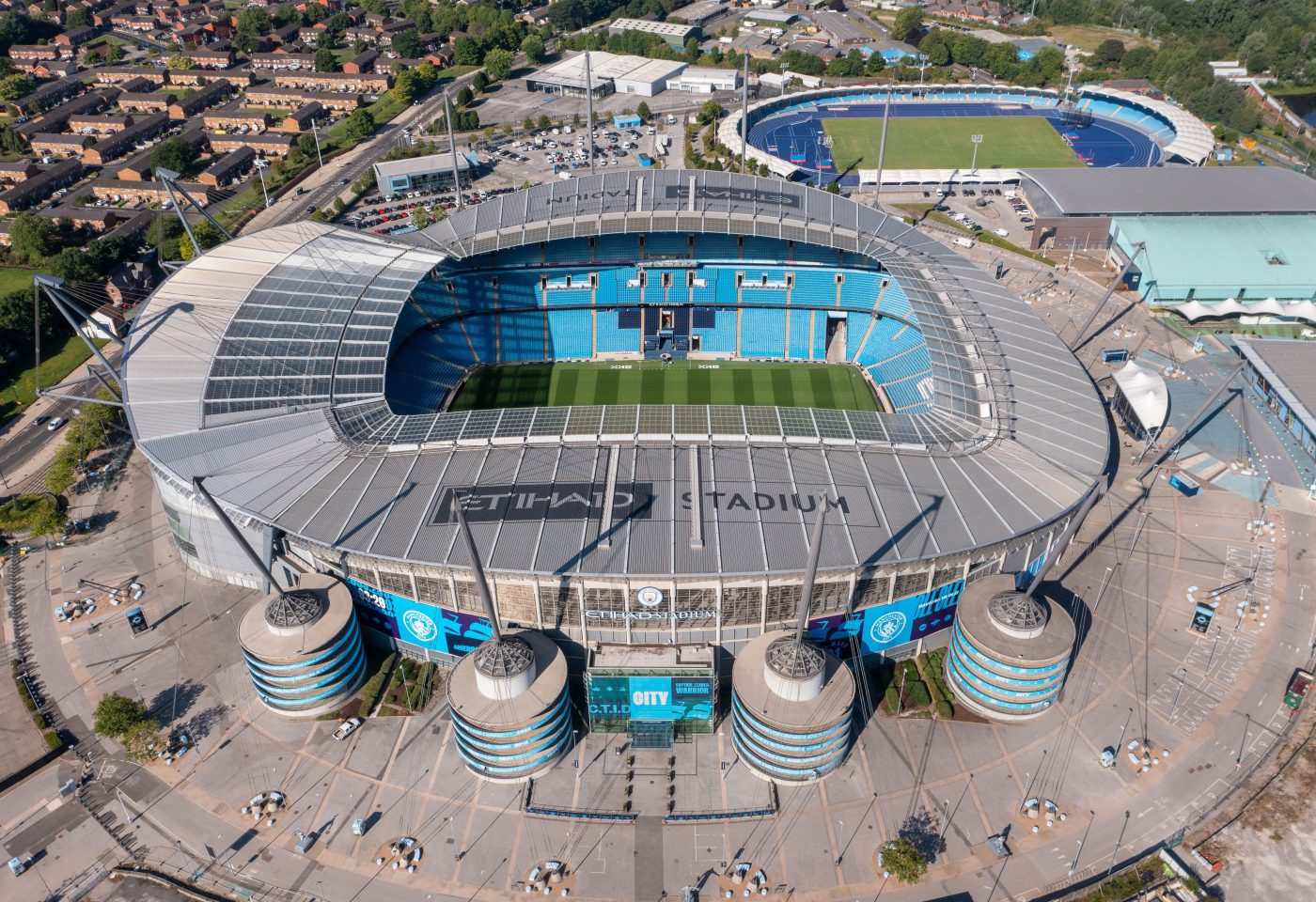
The City of Manchester Stadium, also known as the Etihad Stadium, is located almost in the very centre of Manchester. It was built specifically for the Commonwealth Games, which the city hosted in 2002. Subsequently, City of Manchester became the home stadium for the famous football club Manchester City. Initially, the stadium was owned by Manchester City Council, but the above-mentioned football club entered into a 250-year lease agreement.
As of the second half of the 2010s, the stadium accommodated about 55,000 fans. It hosted not only Manchester City’s matches but also many other sports competitions and concerts, notes imanchester.info.
The venue for the Commonwealth Games
As you know, big cities that have the proper sports infrastructure or the opportunity to build it can submit applications for hosting the Olympic Games, football championships and other sports competitions watched by millions of spectators.
Manchester once applied to host the 1966 Summer Olympics, but it didn’t get such a chance. In 2000, the city decided to try again and applied to host the next summer Olympic Games. However, that attempt wasn’t successful as well. Despite the fiasco, a plan to build an impressive stadium, which would accommodate tens of thousands of spectators, was actively discussed. The idea to build a new stadium appeared in 1989.
One day, Manchester was lucky enough to pass the city selection. Manchester was allowed to host the 2002 Commonwealth Games. It is a multi-sport competition, which is held every four years among athletes from the Commonwealth. It is also the second largest sports competition after the Olympic Games, involving thousands of athletes.
The Arup company was engaged in the design of the new city stadium. Prime Minister Tony Blair was honoured to lay the foundation stone of the City of Manchester Stadium. It happened in December 1999, and in January of the following year, large-scale construction work began. Laing Construction Ltd. undertook the whole building process. The financial support of the project was taken over by the public institution Sport England as well as Manchester City Council.
Since the stadium was intended for the Commonwealth Games, it was equipped with running tracks. Initially, the City of Manchester Stadium accommodated 38,000 spectators.
All construction works were completed in 2002. In July of the same year, the stadium hosted the Commonwealth Games. Queen Elizabeth II was the guest of honour at the official opening of the competition. She announced the speech, thus, starting the competition.
Home stadium of Manchester City
The stadium was closed for reconstruction almost immediately after the end of the Commonwealth Games. The so-called temporary stand was dismantled and replaced with a permanent one. In addition, the stand acquired the third tier and the field was lowered by 6 metres. As a result, the stadium could accommodate about 48,000 spectators.
In 2003, City of Manchester became the home stadium of the famous Manchester City football club. The FC signed a lease agreement with its owner, Manchester City Council. The document stated that the football club had the right to rename the stadium.
The official opening of the renovated stadium took place on August 10, 2003. The same day, it hosted a match between Manchester City and the legendary Spanish Barcelona. Manchester City won the match, scoring 2:1.
In the summer of 2011, the stadium received a new name, the Etihad Stadium. In fact, the Manchester arena was named after the UAE national airline, Etihad Airways. Manchester City and the aforementioned Arab airline have signed a sponsorship agreement. The FC received $150 million for cooperation every year.
Then the stadium underwent reconstruction again. It lasted from the spring of 2014 to the summer of 2015. As a result, the stadium acquired more spectator seats. Since then, its stands could accommodate about 55,000 spectators. Thus, the stadium was listed 9th in terms of seating capacity among all stadiums in Great Britain.
It should be noted that the sports arena not only housed Manchester City training as well as sports competitions and football matches but also concerts. In particular, the stadium welcomed such rock groups as Metallica, Red Hot Chili Peppers, Oasis and others.