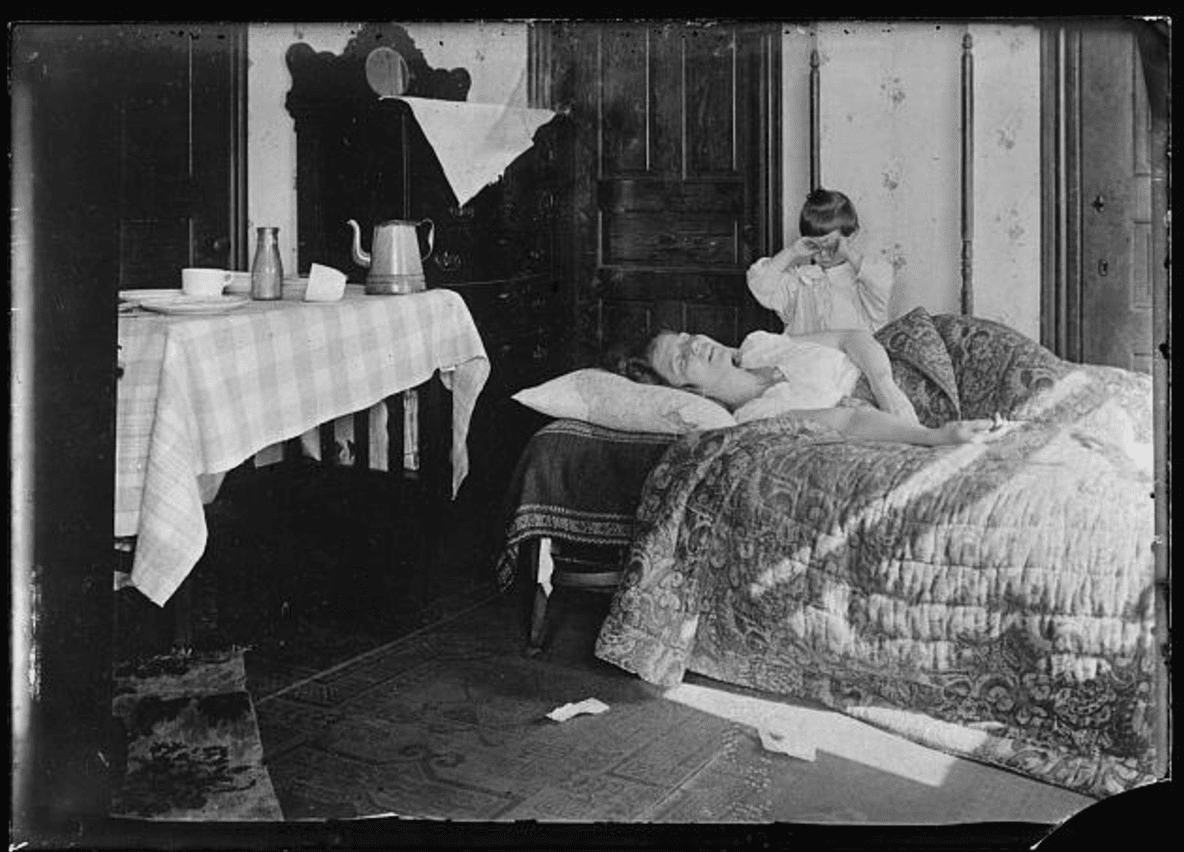

A century before the COVID-19 pandemic, Manchester faced another global health crisis: the Spanish Flu pandemic of 1918–1920. This deadly virus, spread largely by soldiers returning from World War I, disproportionately affected individuals aged 20 to 40. Symptoms included a sore throat, headaches, coughing blood, and severe pneumonia. Many victims suffocated due to the buildup of blood and foam in their lungs, making the illness excruciatingly painful. Next on imanchester.info.
Sanitary and Epidemiological Conditions in Manchester
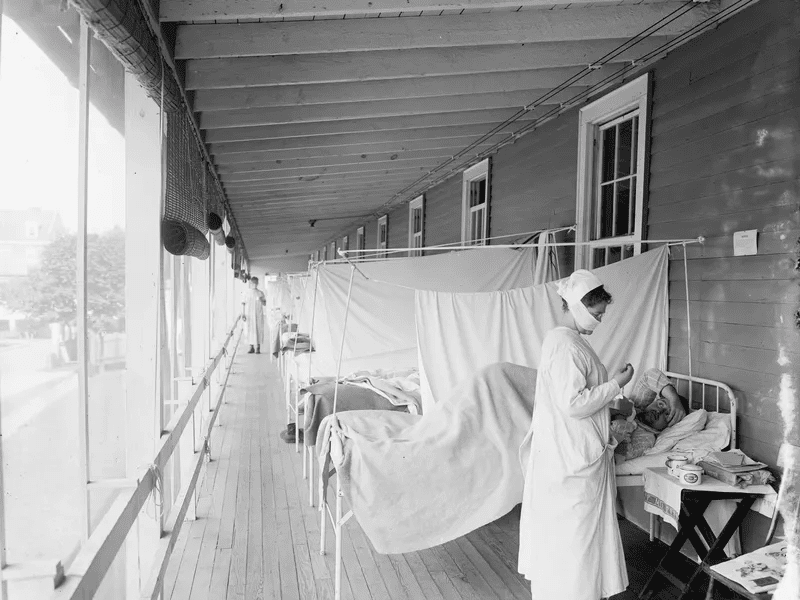
In the early 20th century, Manchester was a bustling industrial hub, home to many immigrants drawn to its thriving factories. However, the city’s densely populated neighborhoods, poor sanitation, and overburdened healthcare system made it highly vulnerable to public health crises. When the Spanish Flu swept across the globe, Manchester was hit particularly hard, with thousands of deaths and an overwhelmed healthcare system. The pandemic exposed the critical need for improved healthcare strategies and infrastructure.
A Global Health Crisis in Manchester
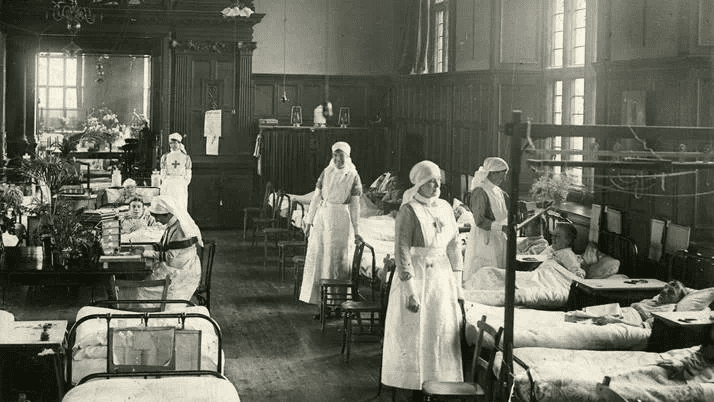
The Spanish Flu, which infected nearly one-third of the world’s population and claimed around 50 million lives, reached Manchester in 1918. Like many other British cities, Manchester was ill-prepared for a pandemic of such scale due to inadequate healthcare systems and poor sanitation. Hospitals were already stretched thin, caring for war-wounded soldiers, while many doctors and nurses were serving on the frontlines during World War I.
The flu’s rapid transmission further exacerbated the crisis. Unlike typical seasonal flu, the Spanish Flu primarily affected young adults aged 20–40, as well as children and infants. Key symptoms included:
- High fever
- Severe headaches
- Cyanosis (bluish skin discoloration)
- Coughing blood
- Respiratory distress
Many succumbed to complications like pneumonia, with death often occurring just days after the first symptoms appeared. This was no ordinary flu; it was a devastating ordeal, with victims literally drowning in their own lungs’ frothy blood.
Industrial workers in Manchester were particularly at risk, as they labored in unsanitary, overcrowded factory conditions. Factories became hotspots for transmission, as did the city’s overcrowded slums, where families lived in poorly ventilated homes. Public transport systems, schools, and markets further facilitated the virus’s rapid spread.
How Manchester Overcame the Influenza Pandemic of 1918–1920
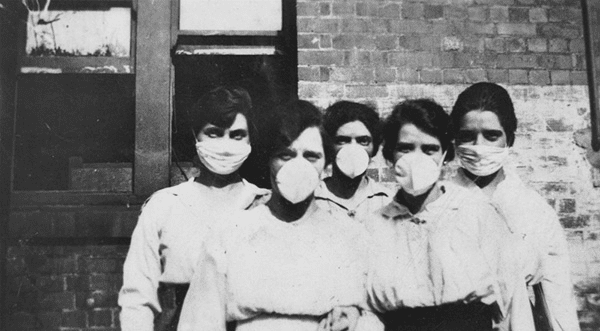
The pandemic claimed approximately 50 million lives worldwide, with Manchester suffering over 100,000 infections and 322 deaths during the spring and summer of 1918 alone. Across the UK, the death toll exceeded 228,000. Some historians argue that the Spanish Flu killed more people than World War I.
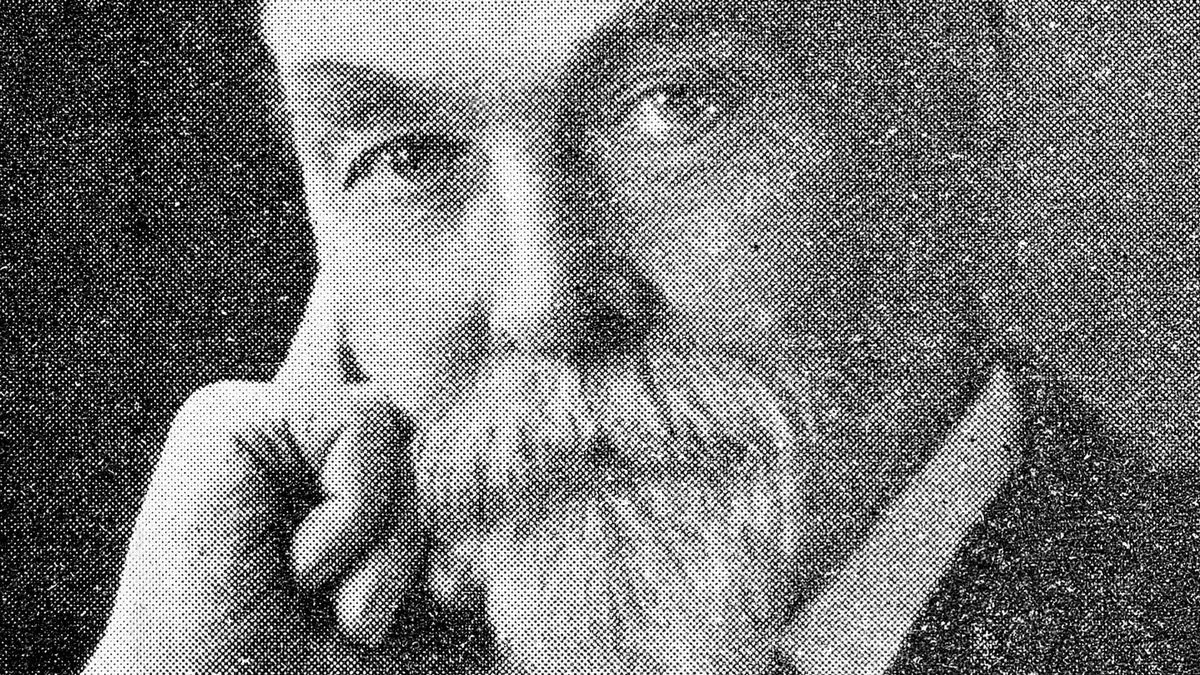
Despite Manchester’s dire healthcare and sanitation conditions, one figure played a pivotal role in combating the pandemic: Dr. James Niven. Having previously managed outbreaks of typhoid and tuberculosis in the city, Dr. Niven implemented critical measures to curb the flu’s spread. These included quarantine protocols, isolation practices, and public education campaigns. He disseminated brochures and posters to inform residents about hygiene and other essential preventive measures.
Dr. Niven’s efforts significantly mitigated the pandemic’s impact in Manchester. However, his immense dedication took a toll on his mental health. After retiring in 1922, he fell into depression and tragically took his own life in 1925.
The pandemic also underscored the vulnerabilities of Manchester’s healthcare system, which was heavily reliant on charitable hospitals. The Spanish Flu revealed the system’s inability to handle large-scale emergencies, prompting calls for reform.
The 1918–1920 pandemic left a lasting mark on Manchester. Subsequent influenza outbreaks, including swine flu, avian flu, and COVID-19, continued to challenge the city’s healthcare system. Each crisis led to the adoption of new sanitary norms, improved infection control measures, and the development of mass vaccination programs and antiviral treatments.
Today, the lessons learned from past pandemics remain central to Manchester’s ongoing efforts to build a resilient and responsive healthcare system. The Spanish Flu serves as a stark reminder of the importance of preparedness, public health education, and collaboration in the face of global health crises.