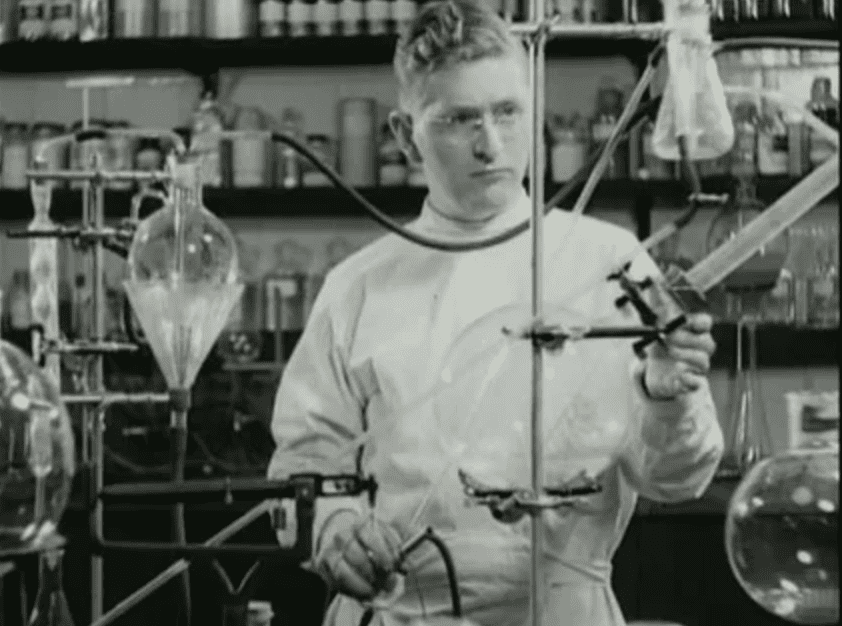

Cancer is a disease that claims the lives of hundreds of thousands annually and affects millions of families worldwide. It is caused by the uncontrolled division of cells and can develop in nearly any organ. Despite its severity, modern medical advancements have made significant strides in cancer diagnosis, treatment, and prevention. Early detection, healthy lifestyles, and access to quality healthcare play pivotal roles in combating this disease. The development of innovative therapies has brought hope for improved survival rates and better quality of life. But how was cancer treated in Manchester during the 20th century? Let’s explore. Next on imanchester.info.
Beginnings of Cancer Treatment in Manchester
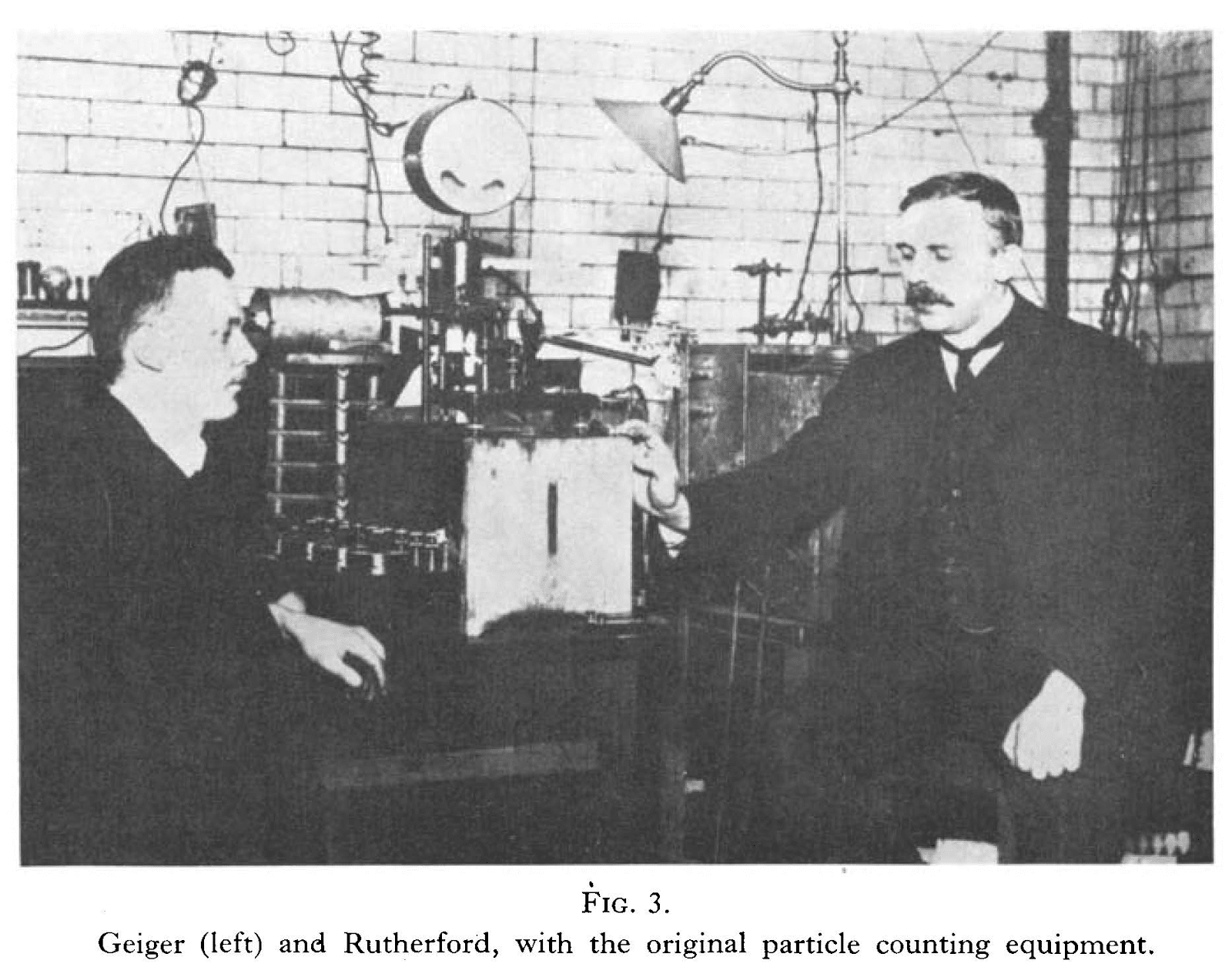
Manchester has a rich legacy in cancer research, with the 20th century marking an era of groundbreaking discoveries and advancements. The city became a hub for innovative clinical trials and diagnostic methods that transformed cancer care. This legacy began in 1901 with the establishment of the Holt Radium Institute, named after Sir Edward Holt, a philanthropist and former mayor of Manchester. At the time, radium, discovered in 1898, was recognized for its potential in cancer treatment. The institute aimed to make radium therapy accessible to local residents who lacked other treatment options.
Radium therapy in the early 20th century was experimental and required precision. The Holt Radium Institute became one of the first in the UK to specialize in this novel treatment. It focused on improving patient care and advancing research on the effectiveness of radium in cancer treatment.
Christie Hospital: A Pioneer in Cancer Research
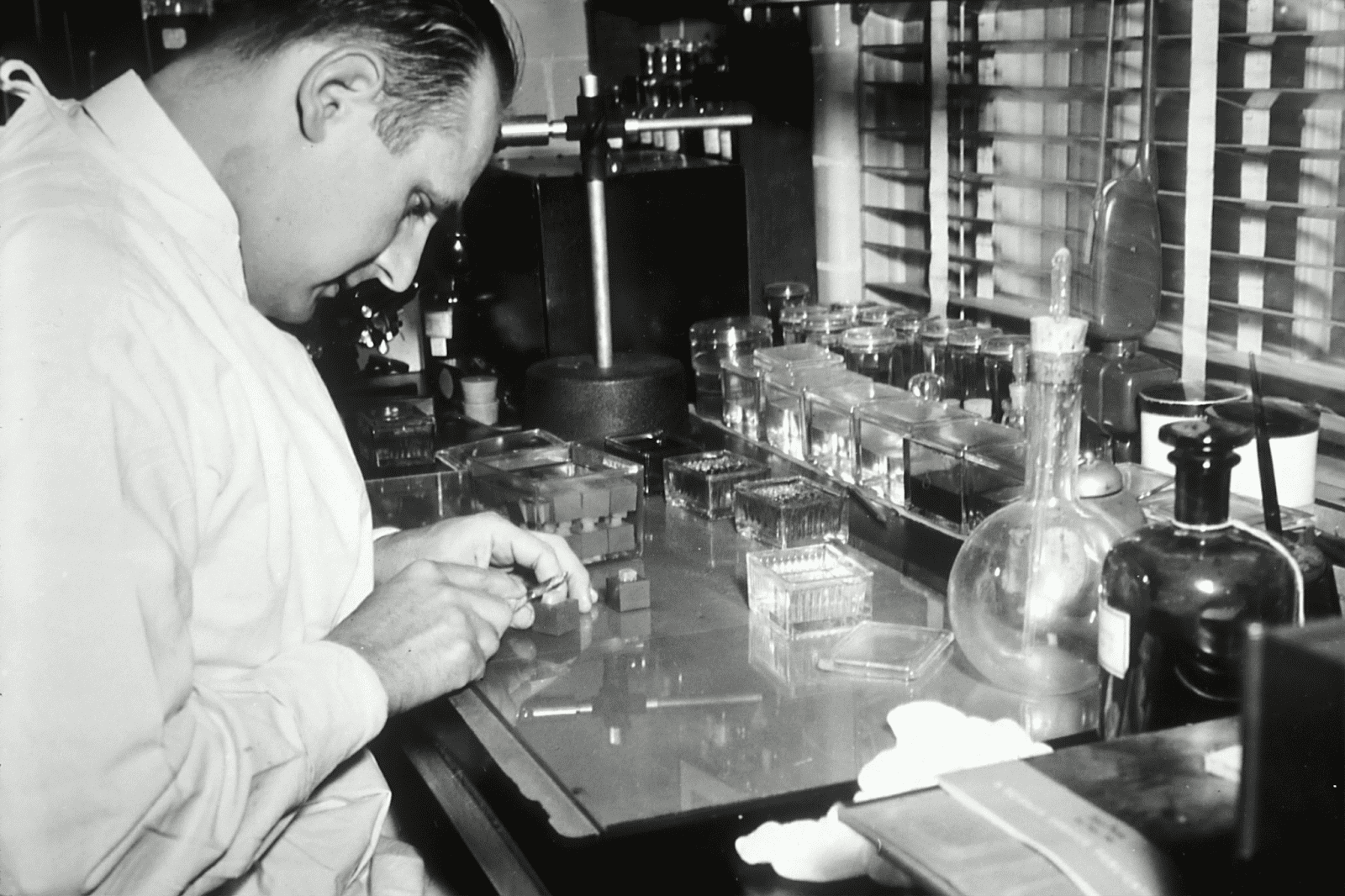
Founded in 1892, Christie Hospital played a pivotal role in cancer research and care. During its early years, the hospital treated rare occupational cancers, such as mule spinner’s cancer and chimney sweep’s cancer, prevalent in industrial Manchester. These diseases highlighted the potential links between workplace conditions, machine lubricants, and air pollution from soot. Initially, the hospital had just 30 beds and treated 463 patients annually.
In its early cancer treatments, Christie Hospital experimented with unconventional methods, such as cow stomach extracts, which raised safety concerns. However, these trials laid the groundwork for future breakthroughs in oncology by the hospital’s leading researchers.
Christie Hospital made significant contributions over its century-long history. It was among the first to implement radiotherapy, radium treatments, and innovative medications. The hospital’s researchers developed international standards for radiation therapy and methods for stem cell transplantation. Their work also advanced pediatric cancer research and radiation dosimetry. These efforts have solidified Christie Hospital’s status in the 21st century as one of Europe’s largest and most prominent cancer centers.
Cancer Research and Treatment in 21st-Century Manchester
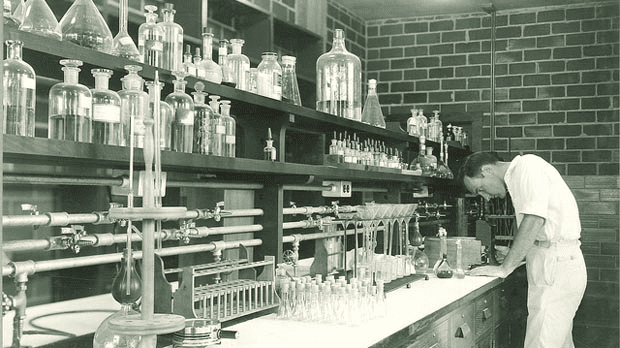
Each year, approximately 10,700 people in Manchester are diagnosed with cancer. Early detection occurs in 53% of cases, significantly increasing treatment success rates. Between 2021 and 2022, around £28 million was allocated to life-saving cancer research initiatives, and such funding continues regularly.
Christie Hospital has become a beacon of hope for many, demonstrating the effectiveness of modern cancer treatments. Today, the hospital provides a comprehensive approach to patient care, including psychological support, palliative care, and nutritional counseling. It also continues to lead pioneering research in cancer, focusing on immunotherapy, artificial intelligence, and early diagnosis.
Manchester has transformed into a city of innovation, not only through its industrial heritage but also as a leader in developing cutting-edge cancer treatments and diagnostics. These advancements have been revolutionary, offering countless individuals a second chance at life.
The city’s two leading cancer centers, Christie Hospital and the Holt Radium Institute, remain at the forefront of oncology research and treatment in Europe. Their ongoing efforts to develop and implement advanced treatment methods attract hundreds of patients annually seeking effective cancer care.
Manchester’s commitment to cancer research has shaped its identity as a global hub for medical innovation, continually pushing the boundaries of understanding and treating this complex disease.