
Manchester is not just about industrial heritage, legendary footballers, and vibrant pubs and clubs. The city also boasts a legendary aviation history that often goes unmentioned in the 21st century. This article explores the origins and development of the local Lancashire Aero Club. Learn more below on imanchester.info.
Founding of Manchester’s Aero Club
The origins of the club date back to the post-World War I era, a time when aviation in Britain transitioned from military to civilian use.
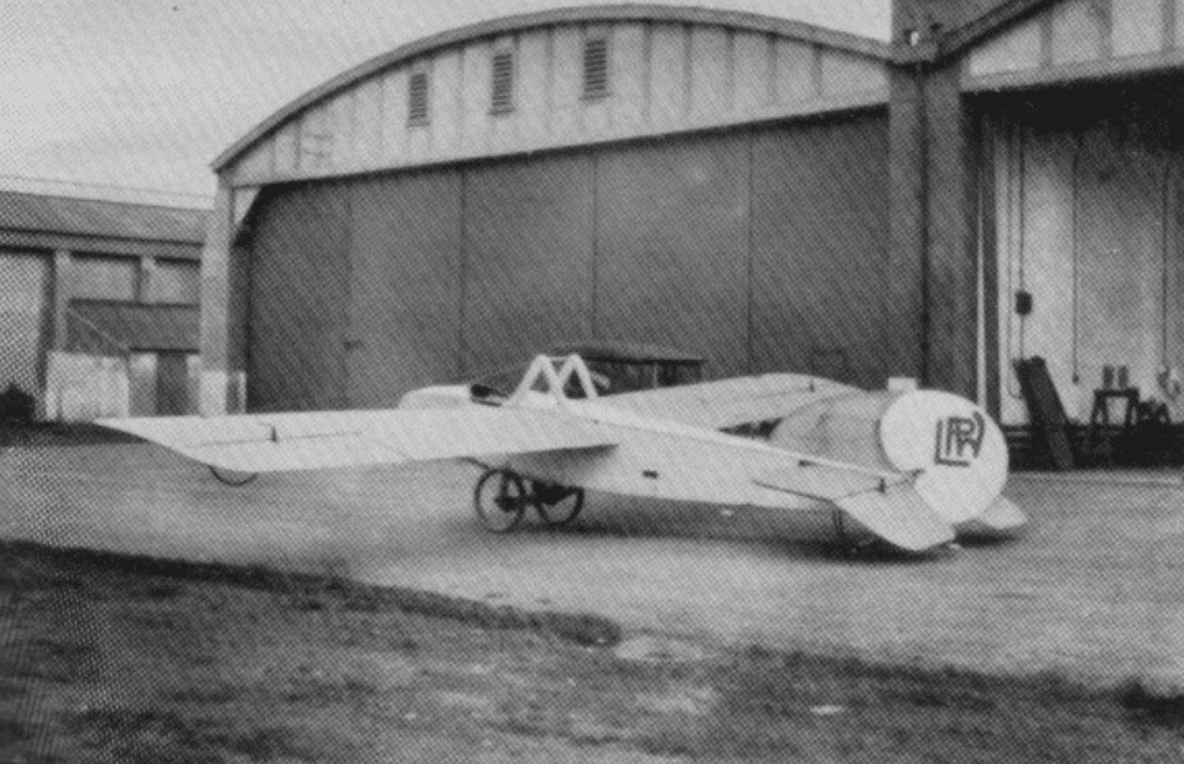
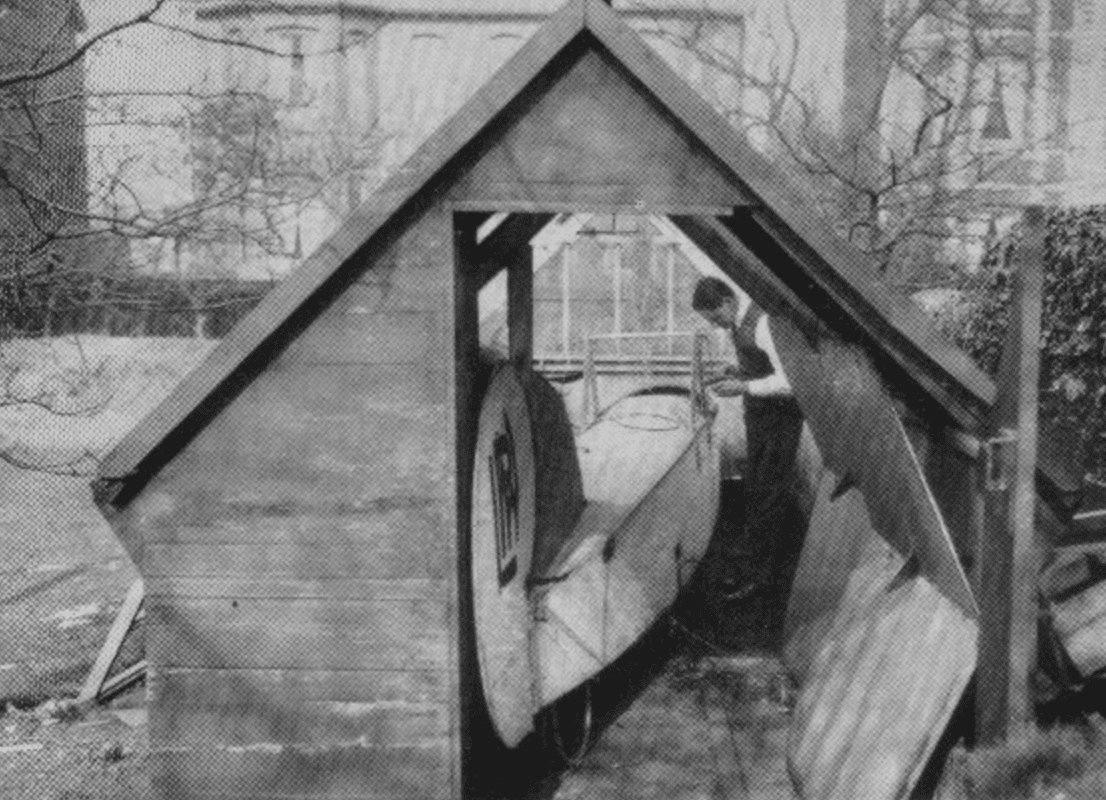
The Lancashire Aero Club has a rich history that reflects the evolution of aviation not only in Manchester but across the UK and even globally. It all began with John F. Leeming, a man with a passion for aviation who built a glider in his garage in 1922 with the help of a group of friends. These friends later founded the Lancashire Aero Club.
The club’s founders aimed to make flying accessible and enjoyable to the general public, breaking the notion that aviation was only for elites or the military. Their mission was to allow anyone to experience the thrill of flying and see the world from a new perspective. Thanks to their efforts, the club became a place where people of all ages and interests could unite around a shared passion for aviation.
Growth of a Legendary Club
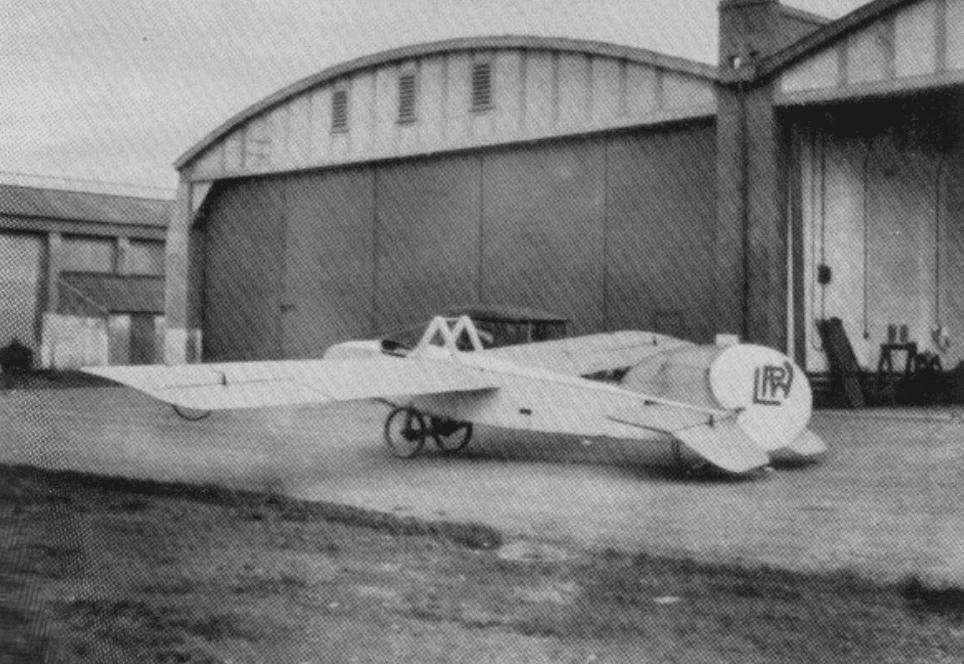
Over the years, the club expanded and evolved. The glider built by Leeming and his friends was the only aircraft initially associated with the club. Between 1924 and 1925, the aircraft was housed at Alexandra Park Aerodrome near Manchester’s city center. Soon, the Lancashire Aero Club received an invitation from Avro Aircraft Company to move to a new location at Woodford Aerodrome.
A pivotal moment in the club’s history came with the creation of Manchester’s airport. In the late 1920s, Manchester aimed to be the first city in the country to host such a major facility. Construction began on the Barton site in 1929, and the airport was operational by 1930.
That same year, the airport hosted air races, including the prestigious King’s Cup Air Race. Members of the Lancashire Aero Club and other clubs competed in the event, which attracted 30,000 spectators. Despite fierce competition from top pilots flying the latest aircraft, Lancashire Aero Club member Miss Winifred Brown claimed victory.
During the 1930s, the club experienced significant growth. More reliable and affordable aircraft made flying accessible, prompting the club to expand its fleet and services.
The Aero Club During World War II
The Second World War greatly impacted the club’s activities, although it played a critical role in supporting the war effort. All of the club’s aircraft were requisitioned by the British Army during the war.
The wartime and post-war years were challenging for the club. During the war, it ceased operations, and rebuilding efforts afterward took considerable time. After World War II, the club gradually resumed operations by purchasing surplus aircraft.
By 2009, the club had expanded significantly and even had its own airstrip.
In the 21st century, the aero club remains popular, inviting enthusiasts to experience new thrills. Visitors can enjoy flights over scenic countryside for a landing fee of £10, which includes refreshments. The club’s airfield is located in the northern section of Manchester’s low-level corridor.
The club also offers more than just flights for beginners and experienced pilots. It hosts airshows, themed parties, and various aviation-related events. For many members, the club has become a second home—a place to connect with like-minded people, learn, and grow.
Aircraft of the Aero Club
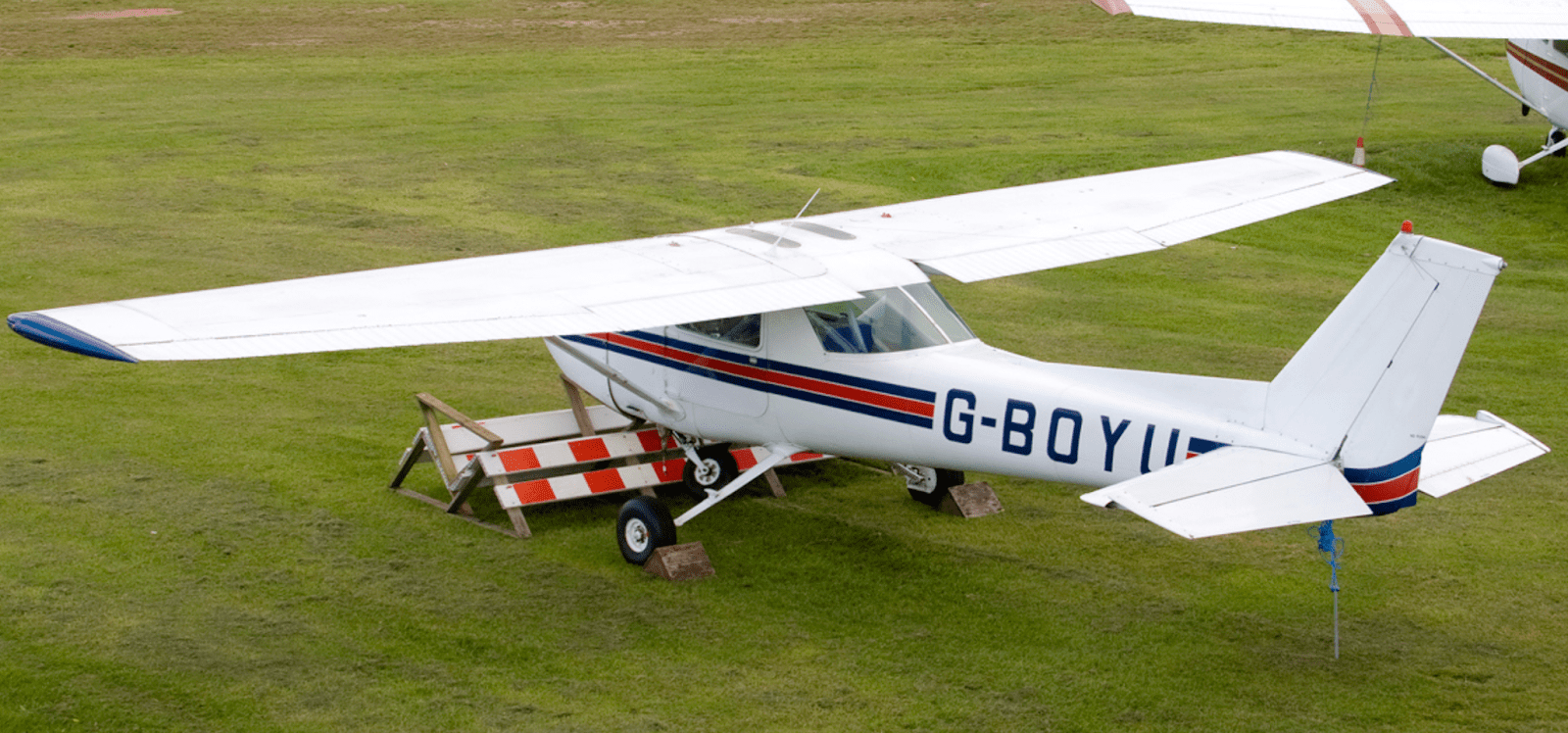
In the 1920s, the club operated with only one glider. Over the years, however, the fleet has grown substantially. In the 21st century, the club’s fleet includes the following models:
- Reims-Cessna F150G
- Piper PA-28-161 Warrior II
- Cessna A150L Aerobat
- Reims-Cessna F150J
- Enstrom 280FX Shark
- Grob G115
The Lancashire Aero Club started with a small homemade glider and grew into one of the largest and most prestigious aero clubs in Manchester and the UK. The club has stayed true to its mission of making flying accessible, safe, and enjoyable for everyone.