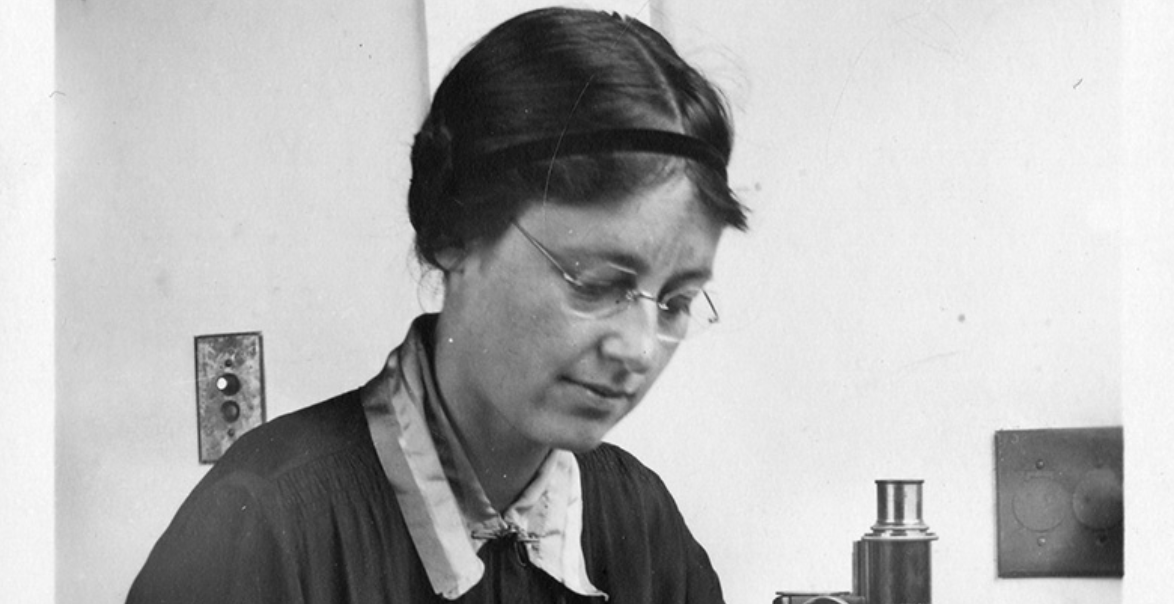

Kathleen Mary Drew-Baker was a renowned British botanist and psychologist. Celebrated for her academic contributions in Manchester and the UK during the first half of the 20th century, she also achieved global recognition as a trailblazer in food technology. Her groundbreaking research revolutionized the commercial cultivation of nori, the edible seaweed central to Japanese cuisine, leaving a profound impact on Japanese culture. Next on imanchester.info.
Youth, Education, and the Path to Fame
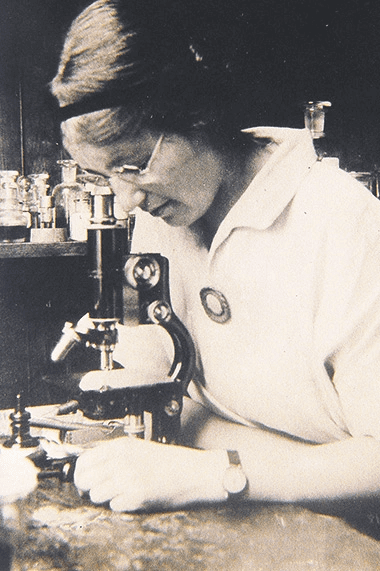
Kathleen Drew-Baker was born in 1901 in Leigh, a small town in Lancashire. A gifted student, she excelled at Bishop Wordsworth’s School in Salisbury. Her curiosity, determination, and academic achievements earned her a county scholarship to study botany at the University of Manchester. Kathleen graduated in 1922 as one of the first women to receive a degree with distinction. In 1939, she completed her doctorate in botany.
After graduation, Kathleen chose to remain at the University of Manchester, where she worked as a lecturer and researcher in cryptogamic botany. Her career also took her to the University of California, Berkeley, and Hawaii, where she collected plant samples for her botanical research.
How Kathleen’s Research Revolutionized Japanese Culture Without Visiting Japan
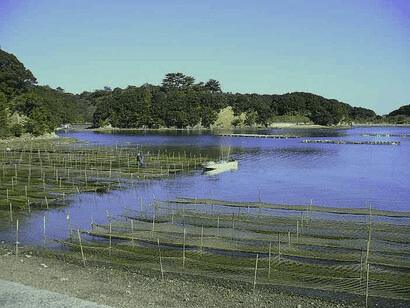
One of Kathleen’s most notable contributions was her research on the commercial production of nori, the edible seaweed integral to Japanese cuisine. Remarkably, she achieved this groundbreaking impact without ever visiting Japan.
Kathleen’s expertise in botany earned her a reputation as a distinguished researcher in Manchester and beyond. She studied various plant samples, including the Japanese seaweed nori. Her research focused on the life cycle of Porphyra umbilicalis, a species of red algae. In a published scientific paper, she revealed that microscopic Conchocelis, previously thought to be an independent organism, was in fact a diploid stage of Porphyra. She demonstrated that bivalve shells provided the necessary environment for the development of these algae.
This research gained international recognition when it came to the attention of Japanese scientist Sokichi Segawa. He connected Kathleen’s findings to nori, a staple ingredient in Japanese cuisine, particularly sushi and other traditional dishes.
Although nori had been cultivated commercially in Japan since the 17th century, its production was unpredictable, influenced by environmental factors such as typhoons and coastal pollution. Kathleen’s discovery led to a revolutionary breakthrough in nori farming. Her findings formed the basis for a method of artificial nori seeding, which dramatically increased production. This innovation significantly boosted Japan’s seaweed industry, with tangible results emerging in the 1960s. Unfortunately, Kathleen did not live to see the full impact of her work, as she passed away in 1957 at the age of 55.
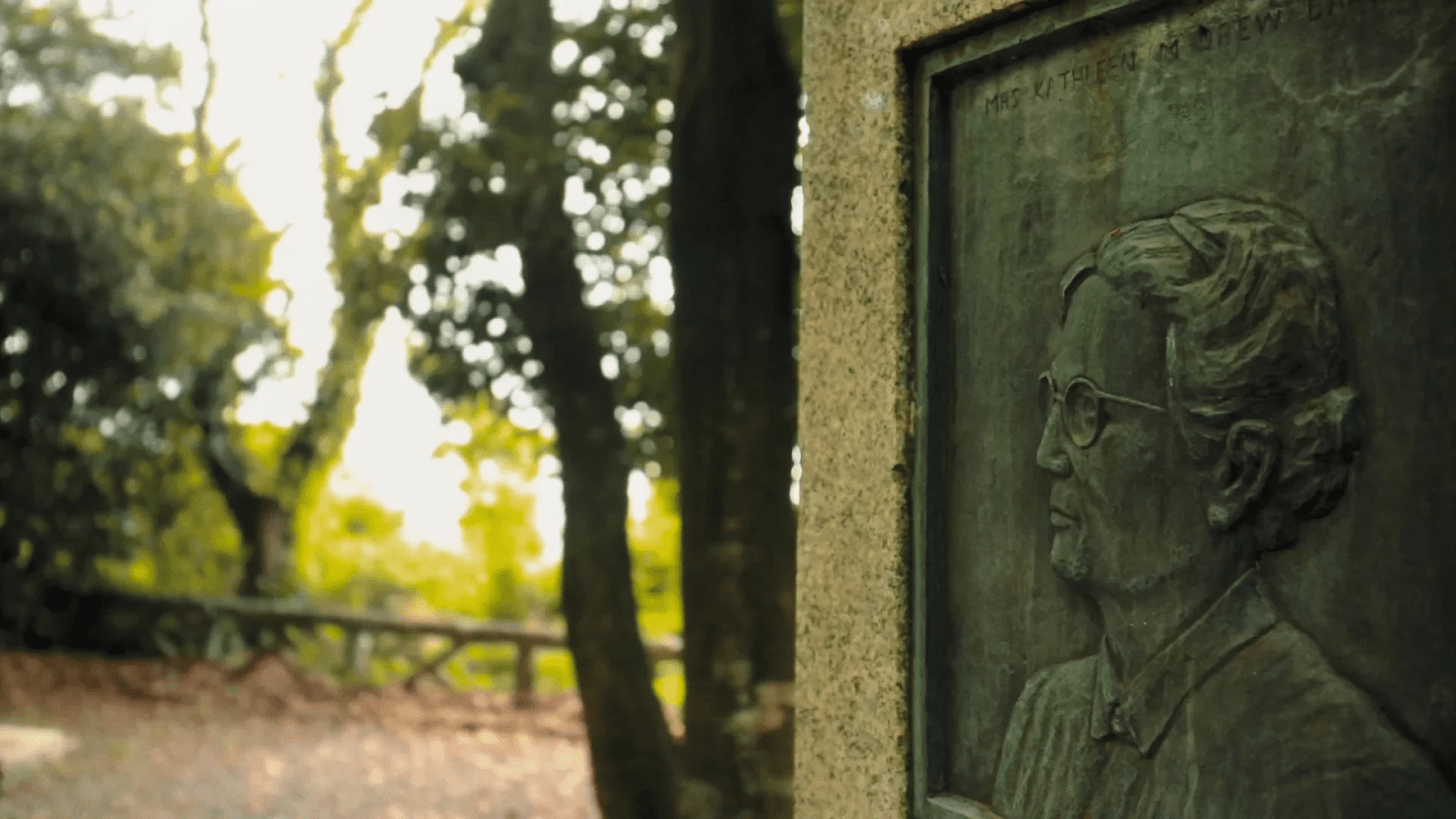
While her contributions were not as widely celebrated in the UK, they were transformative for Japan’s food industry. After World War II, Japan faced severe food shortages, and Kathleen’s research provided critical insights into nori’s life cycle, enabling the development of effective cultivation techniques. Her work saved Japan’s commercial nori production and earned her the title of “Mother of the Sea.” Since 1953, the city of Uto in Kumamoto Prefecture has held an annual “Drew Festival” in her honor. Additionally, a shrine was erected in Kumamoto as a tribute to her legacy.
Other Contributions and Activities in Psychology
Throughout her life, Kathleen remained dedicated to botanical research, publishing over 40 scientific papers between 1920 and 1940, most of which focused on red algae.
Kathleen was also a pioneer in psychology. In 1952, she co-founded the British Psychological Society with her friend and fellow psychologist Margaret Martin. Kathleen served as the society’s first president, contributing significantly to the development of the field.
Legacy of Kathleen Drew-Baker
Kathleen Drew-Baker’s work continues to resonate as an example of how science transcends borders and disciplines. Her research not only advanced botanical science but also reshaped an essential aspect of Japanese culture, cementing her legacy as a true innovator and global influencer.