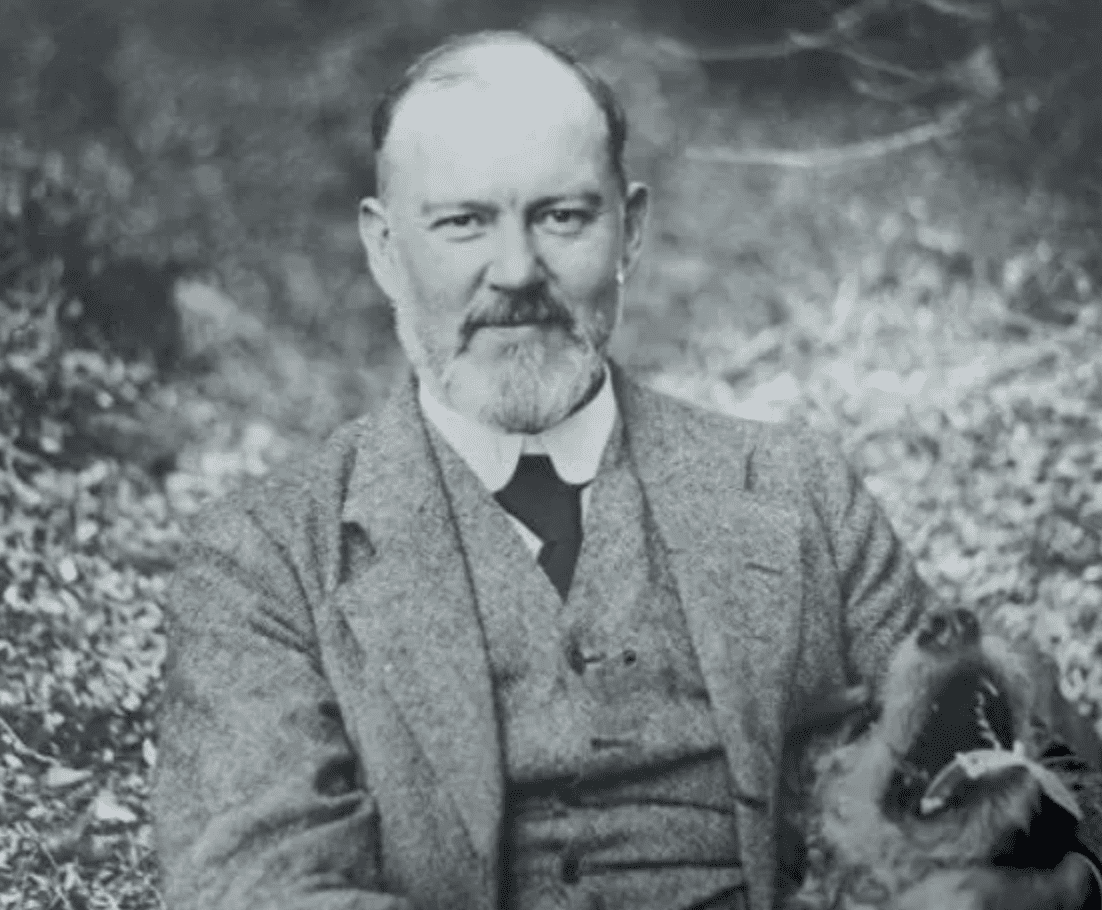

Sir Henry Royce is a legendary figure in 20th-century British automotive history. While not originally from Manchester, the city played a crucial role in Royce’s career and the development of the British automotive industry, including the creation of the iconic Rolls-Royce company. Next on imanchester.info.
A Challenging Journey: From Newspaper Seller to Business Owner
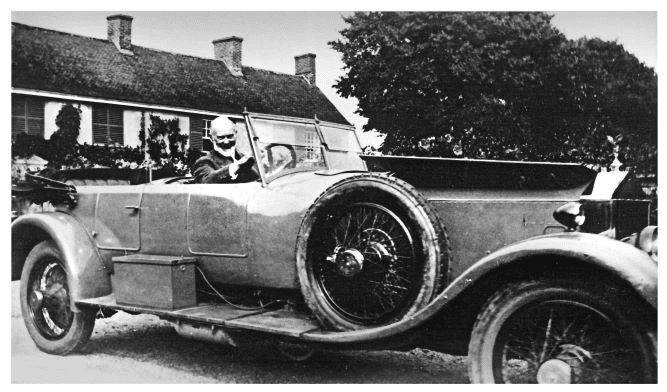
Henry Royce was born in 1863 in Alwalton, Huntingdonshire, near Peterborough. His father was initially a successful mill owner, but the family business eventually failed, forcing the Royces to move to London in search of better prospects. Tragedy struck when Royce’s father passed away, leaving the family in dire financial straits. Young Royce had to work from an early age to support his family.
Royce’s first job was selling newspapers, followed by delivering telegrams. Despite having only a basic formal education, he displayed remarkable ambition and resourcefulness.
Later, Royce’s aunt financially supported him, enabling him to secure an apprenticeship at the Great Northern Railway’s workshop in Peterborough. After completing his apprenticeship, he returned to London and joined the Electric Light and Power Company. In the 1880s, he was sent to Liverpool, where he worked on street and theatrical lighting systems.
By the age of 20, Royce had gained considerable experience in various industries. Determined to start his own business, he used his modest savings to form a partnership with Ernest Claremont. In 1884, they founded FH Royce and Company, a Manchester-based firm manufacturing electrical fittings. Over the next decade, the company expanded to produce dynamo machines and electric cranes, and in 1899, it was renamed Royce Ltd.
The Birth of Rolls-Royce
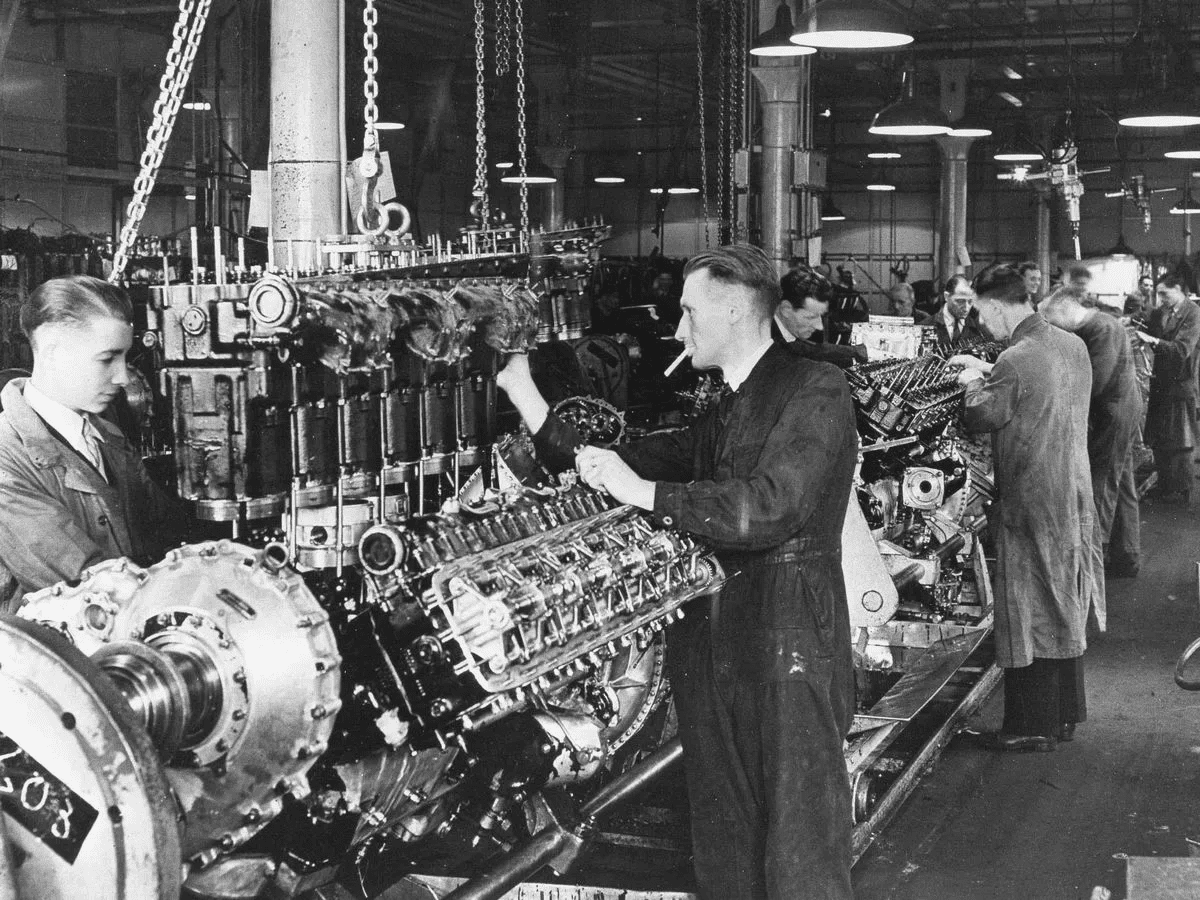
The early 20th century marked a turning point for Royce and his company. Following the conclusion of the Second Boer War, trade declined in Britain. Increasing competition in the crane and dynamo market, particularly from imports from the United States and Germany, prompted Royce to consider diversifying his business. He identified automobiles as a promising new venture.
In 1901, Royce purchased his first car, a small French-made De Dion, followed by a two-cylinder Decauville. Dissatisfied with their performance, Royce decided to design and build his own car.
The first Royce-built cars featured two-cylinder engines and bore his name. One was given to Ernest Claremont, while another was sold to Henry Edmunds, a friend of Charles Rolls, who owned a luxury car dealership in London. Rolls, who preferred three- and four-cylinder cars, was impressed by Royce’s craftsmanship. He agreed to buy all the cars Royce could produce and proposed branding them as Rolls-Royce. This partnership led to the birth of one of the most prestigious automotive brands in the world.
The first Rolls-Royce car, with a 10-horsepower engine, was unveiled at the Paris Motor Show in 1904. In 1906, Rolls and Royce officially founded Rolls-Royce Limited. Royce became the company’s chief engineer and factory director, contributing his technical expertise to their automotive innovations. Together, Rolls and Royce created a perfect partnership, establishing a legendary name in British automotive history.
Royce’s perfectionism set the standard for Rolls-Royce. He famously adhered to the philosophy: “Take the best that exists and make it better.” This commitment to quality and innovation became the hallmark of Rolls-Royce vehicles.
Company Growth and Royce’s Final Years
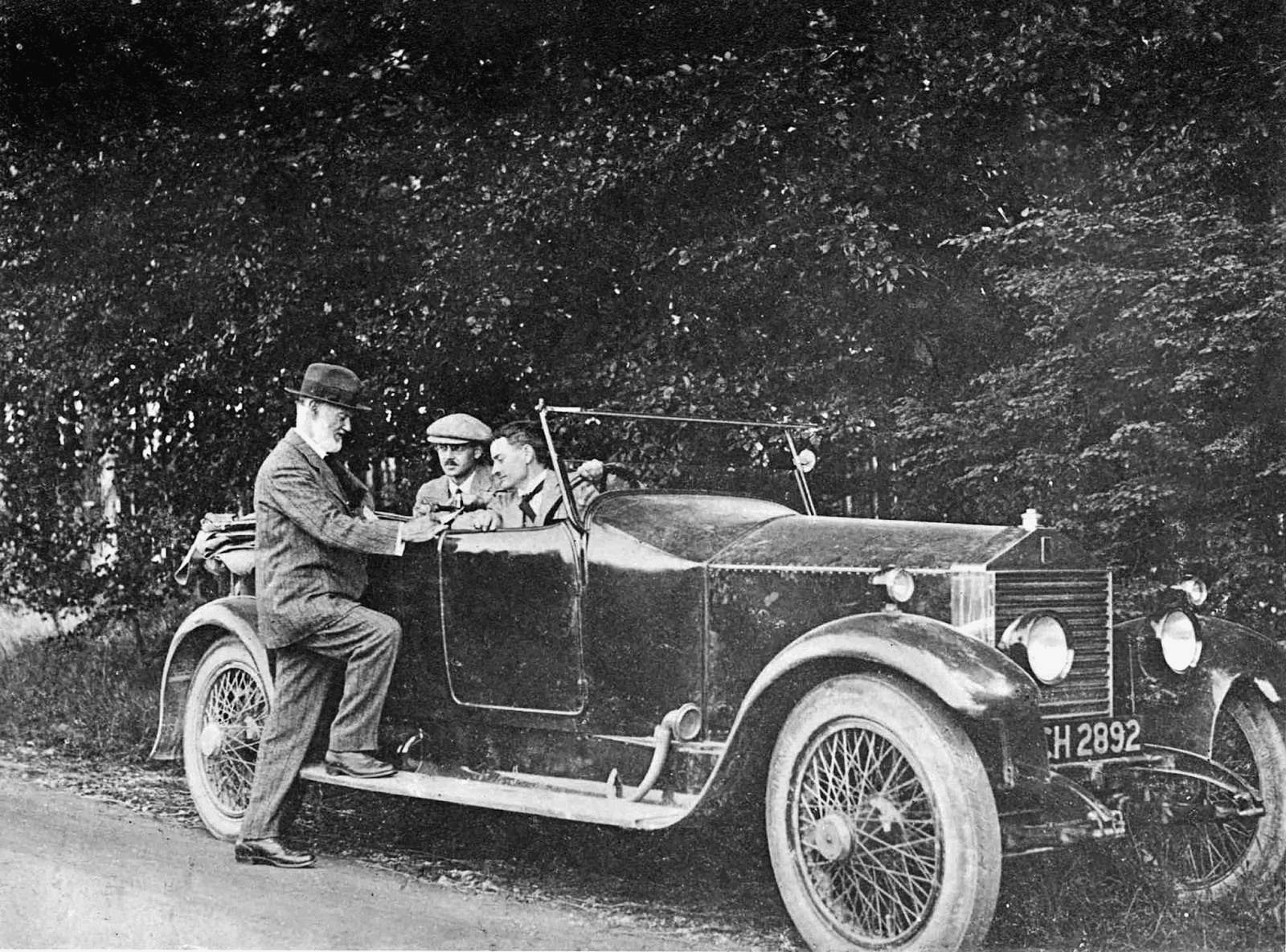
In the early 20th century, Rolls-Royce grew rapidly. Royce’s cars were renowned for their exceptional quality and craftsmanship, making them highly coveted in Britain and beyond. The brand became synonymous with luxury and technical excellence, and it remains a source of national pride.
Over the years, Rolls-Royce pushed the boundaries of automotive engineering and luxury. The company became known worldwide for its meticulous craftsmanship, attention to detail, and unparalleled customisation options that allowed clients to personalise their vehicles to their specifications. None of this would have been possible without Royce’s visionary engineering.
Sir Henry Royce passed away in 1933 at the age of 70. His legacy as a pioneering engineer and the co-creator of Rolls-Royce continues to influence the automotive industry. Even in the 21st century, Rolls-Royce remains a symbol of excellence and innovation, a testament to the enduring impact of its legendary founder.