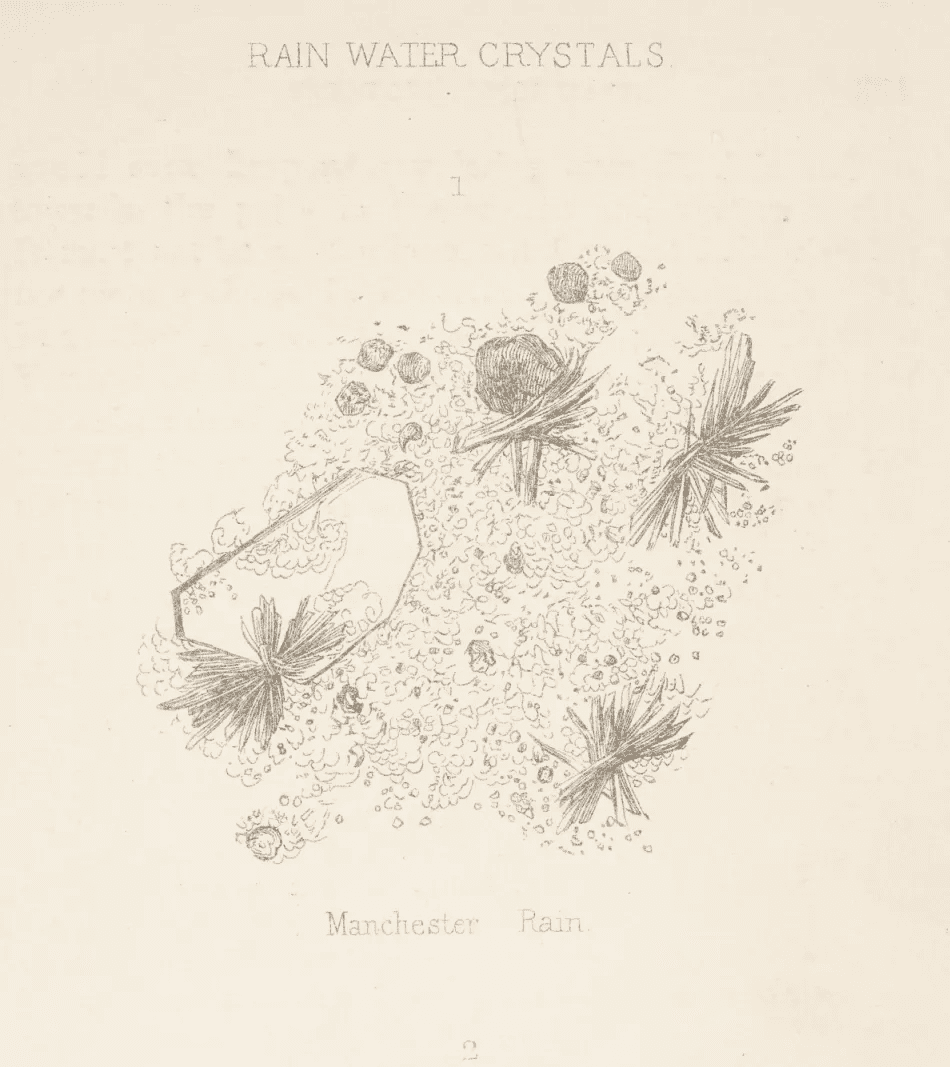

In the 21st century, the phenomenon of acid rain is widely understood, especially by those living in industrial regions. Acid rain refers to precipitation that contains high concentrations of acidic compounds, such as sulfuric acid and nitrogen oxides. These substances are byproducts of industrial emissions, vehicle exhaust, and other sources. They react with atmospheric air and water vapor to form acidic compounds, which can cause severe ecological damage upon falling to the ground, including soil and water pollution, harm to vegetation, biodiversity loss, and even infrastructure degradation. Additionally, acid rain can adversely affect human health, causing respiratory and skin issues. This phenomenon was first identified in 1852 by Manchester chemist and scientist Robert Angus Smith. Read on at imanchester.info.
About the Chemist
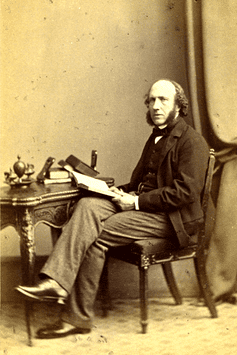
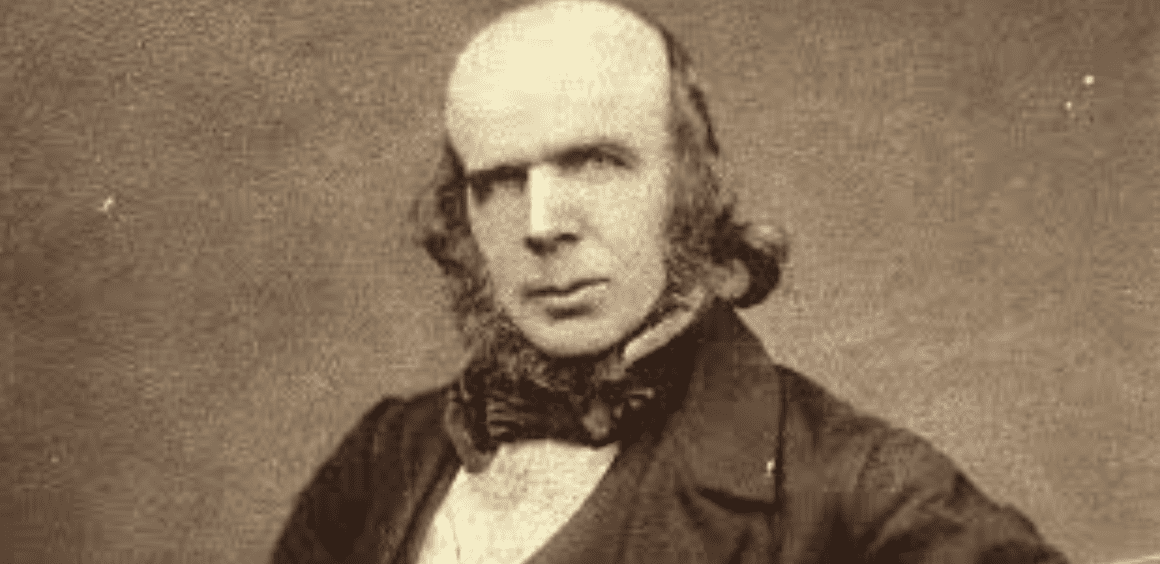
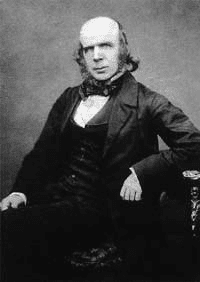
Robert Angus Smith was a Scottish chemist born in 1817 in Pollokshaws, Glasgow. His life coincided with the Industrial Revolution, which was reshaping Britain.
Not much is known about Smith’s early years. After completing school, he enrolled at the University of Glasgow, initially planning to serve in the Church of Scotland. However, he soon realized that clerical life was not his calling. Leaving university, he took up various jobs, which eventually led him to Germany, where he discovered his passion for chemistry.
In Germany, Smith studied under renowned chemist Justus von Liebig, whose mentorship not only instilled a love for science but also equipped him with a wealth of knowledge. Smith’s passion for chemistry grew with each passing day, setting the foundation for his future groundbreaking work.
How Robert Ended Up in Manchester
After completing his education in Germany, Smith returned to Britain, unsure of how to continue his scientific career. He briefly considered returning to the church, but fate intervened. He was invited to Manchester to work at Lyon Playfair’s chemical laboratory, based at the Royal Manchester Institution.
It was in Manchester that Smith began his research into the city’s environmental issues. During the 1830s and 1840s, Manchester, as the world’s first industrial city, was grappling with numerous challenges stemming from industrialization.
Gaining experience, Smith began working as an independent analytical chemist. At the time, this profession was rife with corruption, and Smith’s integrity occasionally led him to refuse work as an expert witness in court cases.
His honesty and transparency earned him a solid reputation. When the Alkali Act of 1863 established the Alkali Inspectorate, Smith was the first choice for chief inspector. As Queen Victoria’s chief inspector of alkali works, he became a model scientific civil servant, holding the position until his death. Smith exemplified how integrity, kindness, and strong principles could lead to success.
The Challenges Manchester Faced in the 19th Century
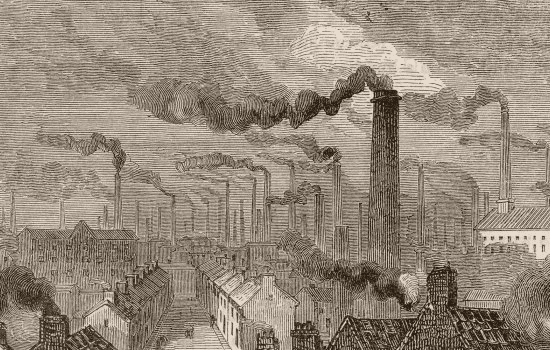
During the mid-19th century, when Smith was working in Manchester, the city was thriving as an industrial hub. However, rapid industrialization brought not only economic growth and the title of the “first industrial city” but also significant environmental consequences. Key issues included air and water pollution. Textile mills and factories released smoke and soot into the air, while rivers turned black from industrial waste.
As chief inspector under the Alkali Act, Smith conducted detailed investigations and monitored industrial pollution in Manchester. His main responsibility was to oversee local factories and enforce regulations to reduce harmful emissions. This was no easy task, given the systemic corruption that had plagued the industry for decades.
Acid Rain in Manchester
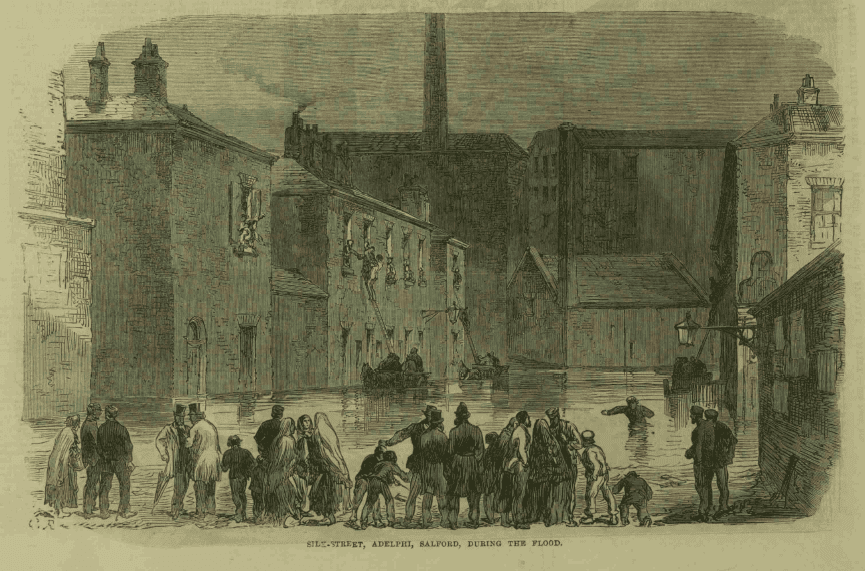
Smith’s most significant scientific contribution was his meticulous study of air pollution. He was among the first to systematically collect and analyze rainwater, noting varying levels of acidity. Smith discovered that rainfall in industrial areas, particularly Manchester, was significantly more acidic than in rural regions. He identified sulfur dioxide and nitrogen oxides, produced by coal burning and other industrial processes, as the primary culprits.
In 1852, Smith made the groundbreaking discovery of acid rain. He later published a book, Air and Rain: The Beginnings of a Chemical Climatology (1872), which compiled his early studies of atmospheric chemistry conducted in Manchester. The book detailed the acidic nature of precipitation and its harmful effects on the environment, human health, and even architecture. His work was revolutionary, directly linking industrial activity to environmental pollution.
For his contributions to science, Smith was named an honorary member of the Institution of Engineers and Shipbuilders in Scotland.
Resistance to Smith’s Discoveries
Despite the importance of his findings, Smith faced significant resistance, particularly from industrialists. In the 19th century, industrial progress often took precedence over environmental concerns. Many business owners refused to acknowledge the negative impacts of their activities, fearing economic repercussions. Some even attempted to bribe Smith, but he steadfastly upheld his principles. He continued advocating for stricter regulations and improved industrial practices, emphasizing the long-term benefits of a cleaner environment.
Smith passed away in 1884 at the age of 67.
An Intriguing Personal Interest
In addition to his work in chemistry, Smith developed a fascination with spiritualism later in life. In 1870, he attended a séance and often corresponded with a friend about such matters, though he refrained from publicly disclosing his interest to protect his scientific reputation. He was a member of the Society for Psychical Research, and his library contained over 80 books on occult topics.