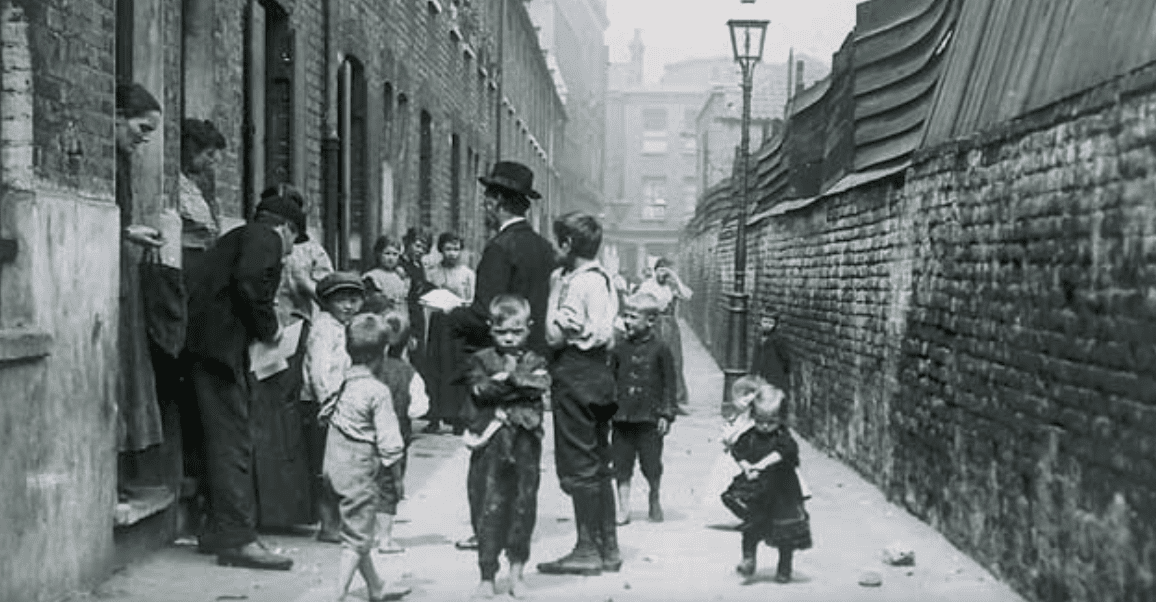

Few people know that for many centuries, the health of Manchester’s citizens was extremely poor—some scientists even call it catastrophic. Research into the health of Manchester residents dates back to the 18th century. This article explores the causes and consequences of poor public health in the city. Read more on imanchester.info.
What Influenced the Health of the City’s Population?
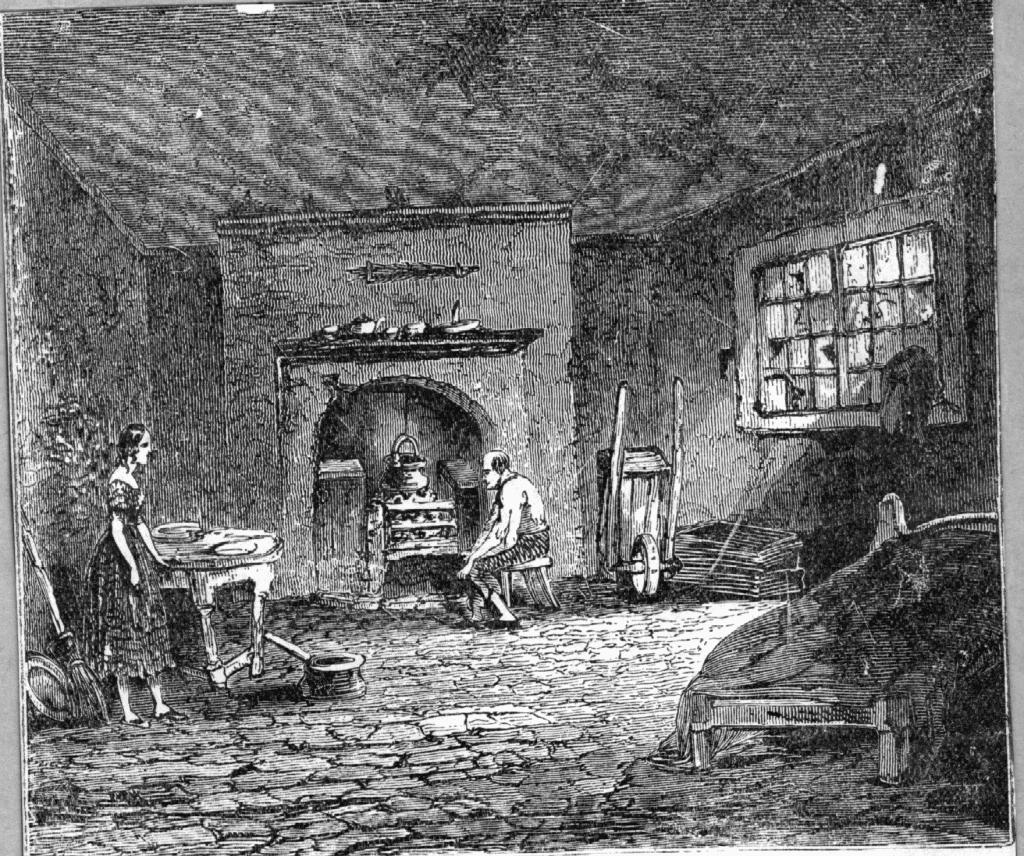
Throughout history, public health in Manchester depended on various factors, such as social, economic, and environmental changes shaping the city. The health of Manchester’s population fluctuated over decades, influenced by these evolving conditions.
For centuries, Manchester experienced notable health-related incidents. For example, many men in the city had poor physical fitness. During mobilization for the Anglo-Boer War, a national scandal erupted when three out of five men who wished to enlist were deemed unfit for service.
Poor health among residents persisted into the 21st century. Government statistics declared that Manchester’s population had the worst health in the UK. For instance, the average male life expectancy in Manchester was 72.5 years—the lowest in the country. Additionally, in the 2004 deprivation index, Manchester ranked among the top three UK cities with the highest number of impoverished residents.
Over 600,000 Manchester residents currently live below the poverty line, and another 1.6 million are at risk of falling into poverty. But what was the health condition of Manchester’s residents in earlier centuries?
Manchester in the 18th Century
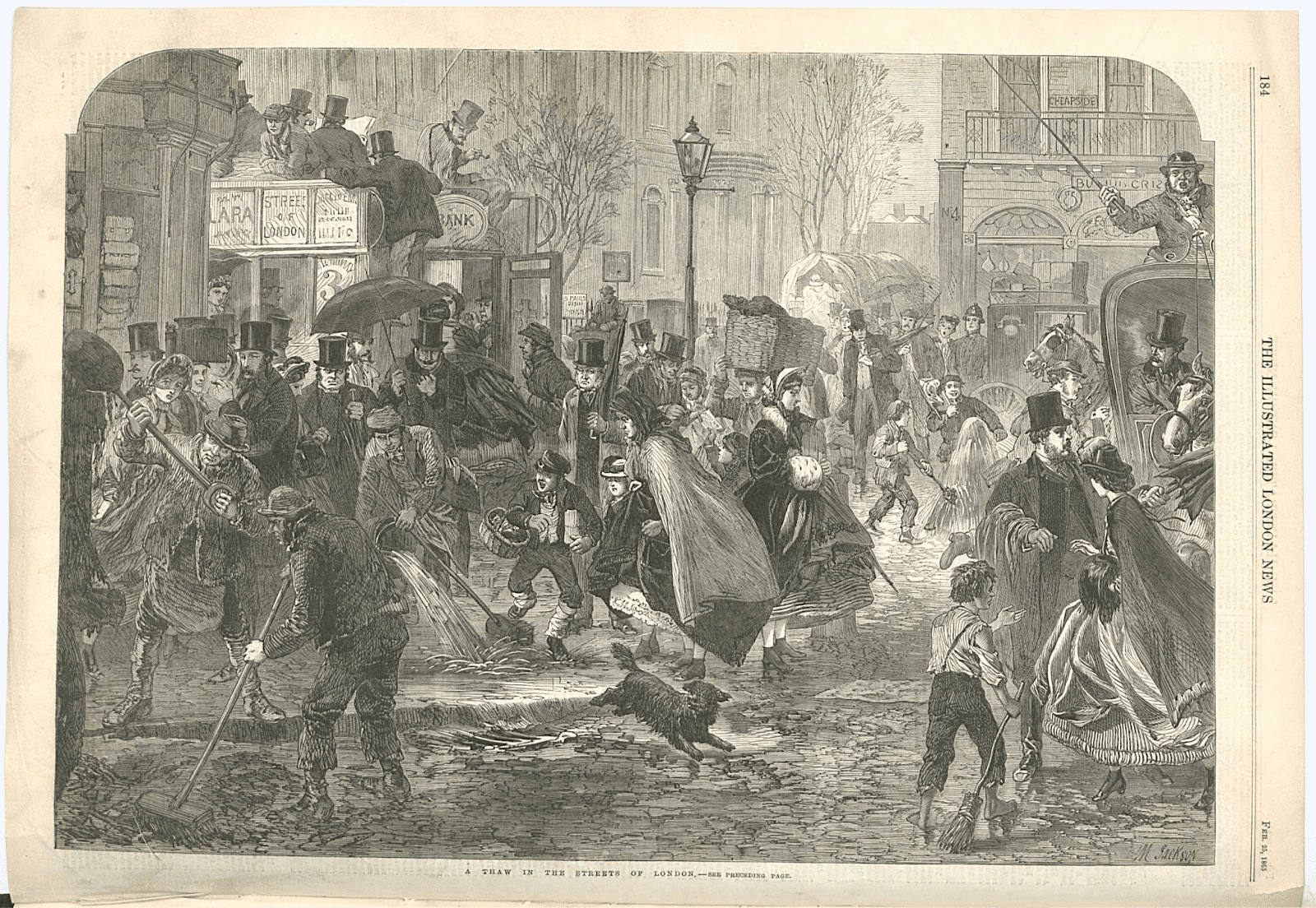
To understand the lives and health of 18th-century Manchester residents, one must examine the city’s economic, political, social, cultural, and industrial identity during that era.
At the end of the 18th century, Manchester experienced rapid industrialization and urban expansion. Waves of rural migrants flooded the city, seeking better lives and jobs. However, this massive influx worsened conditions for the poor, who already lived in cramped, squalid spaces. Their homes were dark, damp, and unsuitable for living, often lacking lighting, sanitation, or ventilation. These conditions bred disease and significantly impacted public health.
The Industrial Revolution not only made Manchester the nation’s first industrial city but also devastated the health of hundreds of thousands of residents. Overpopulation, poor sanitation, and inadequate housing accompanied the city’s growth.
During 18th-century epidemics, diseases spread rapidly due to Manchester’s poor sanitation and widespread poverty. Cholera, typhus, and tuberculosis claimed many lives. Factory emissions exacerbated respiratory illnesses, further deteriorating public health.
Despite some initiatives by local physicians and authorities, such as special committees to improve public health and reduce industrial emissions, the measures yielded minimal results compared to the catastrophic health conditions of the city. Manchester’s economic ascent came at the expense of its residents’ health.
What Was Healthcare Like in the 19th Century?
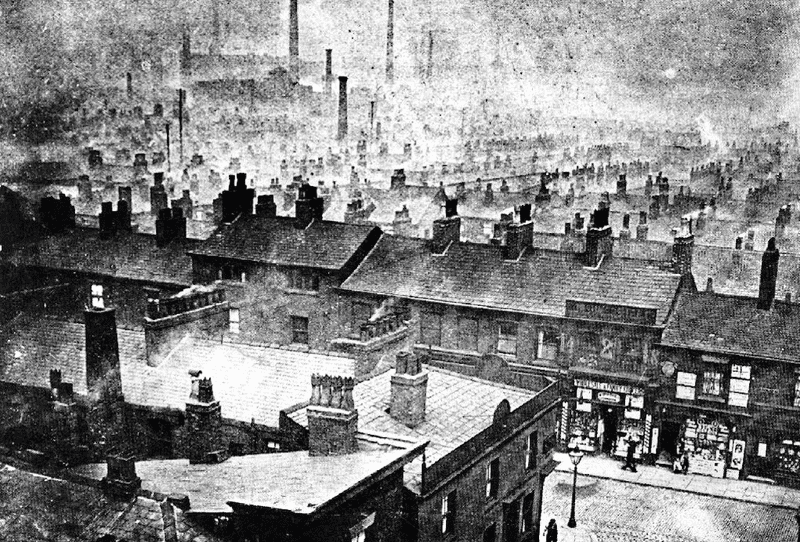
Despite 18th-century efforts, health conditions in Manchester worsened during the 19th century. The working class endured grueling factory labor and abysmal living conditions.
Philosopher Friedrich Engels documented the dire state of Manchester’s laborers in the 1840s. Working at a family mill in Salford, he frequently visited Manchester and observed workers’ living conditions. Engels was appalled to find over 40,000 migrants living in squalid, foul-smelling neighborhoods, known as Irish Town.
Engels’ research revealed alarmingly high mortality rates from infectious diseases like fever, smallpox, measles, and whooping cough, linking these to Manchester’s poor living and working conditions. Industrial employers prioritized cheap labor and economic growth over basic public needs, leaving generations of Manchester residents plagued by ill health, infertility, and shortened lifespans.
Factory workers and immigrants lived in basements without utilities, often sleeping three to a bed. This abysmal housing was a major contributor to Manchester’s status as the city with the worst public health in the country.
The Early 20th Century: Progress and New Challenges
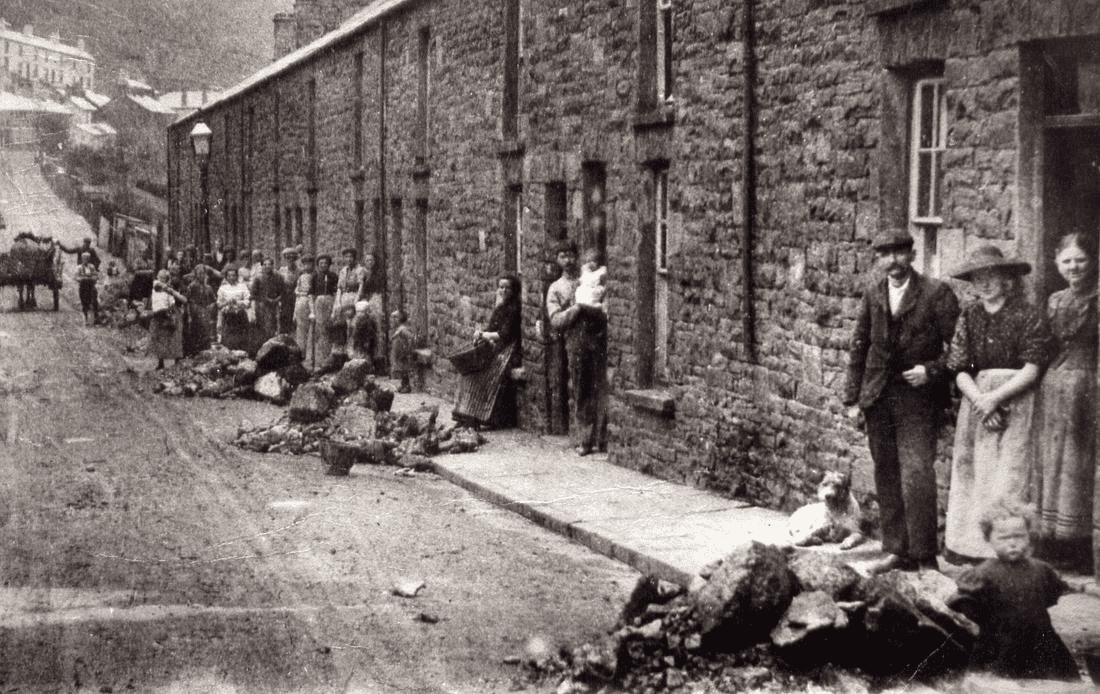
By the early 20th century, Manchester achieved some success in improving public health. Advances in medical science, sanitation improvements, and new health initiatives alleviated some of the city’s earlier health crises. Advanced hospitals and clinics provided better healthcare access.
Despite hazardous working conditions and long hours, industrial workers now had access to medical care. Hospitals, clinics, and sanatoriums improved treatment outcomes for many residents.
The Great Depression of the 1930s brought economic hardship that severely affected public health. Malnutrition became widespread as many families fell into poverty. Overburdened social services forced residents to rely on charities for support.
The establishment of the National Health Service (NHS) in 1948 marked a turning point, guaranteeing free healthcare access for all residents regardless of financial status.
By the mid-20th century, public health in Manchester significantly improved. Slum clearance projects replaced many uninhabitable homes, and innovations in medicine enhanced healthcare quality. Manchester residents began living longer, healthier lives.