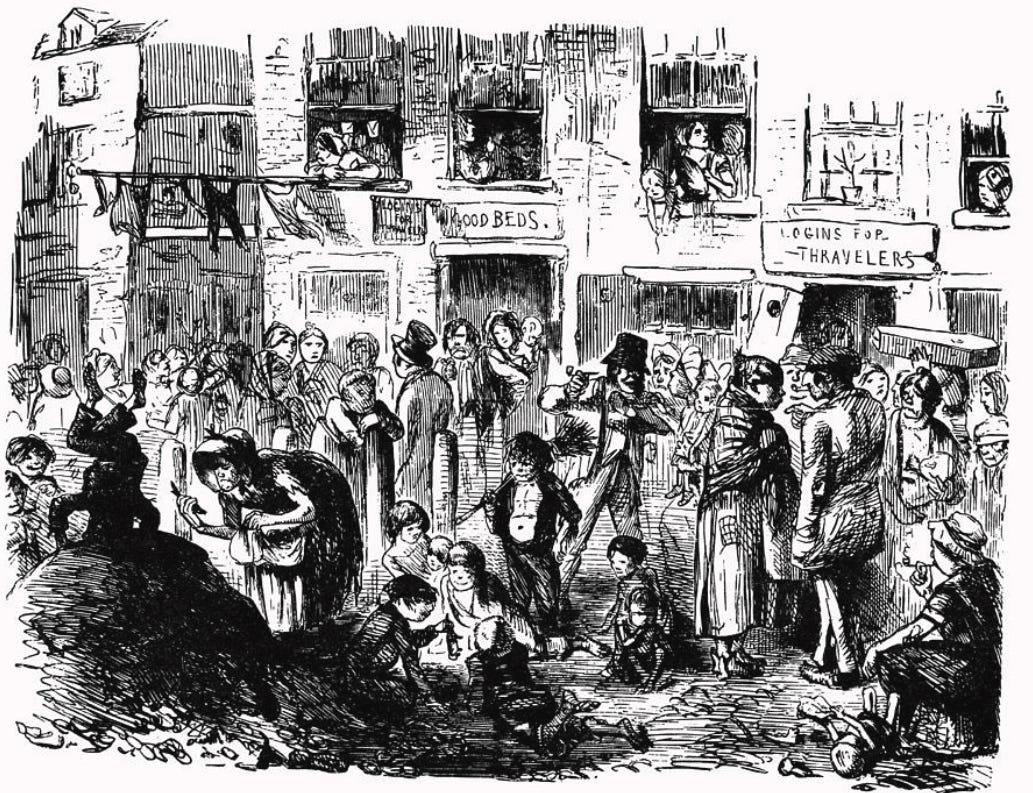

The spread of infectious diseases has always been a terrible phenomenon, especially if it is an unknown or little-studied one. Humanity has repeatedly faced similar challenges (plague, smallpox, flu, cholera, “Spanish flu”, coronavirus, etc.). However, effective means of prevention, treatment and creation of the so-called collective immunity helped to overcome diseases, which were gaining pandemic scale, notes imanchester.info.
In this article, we will tell you about the cholera epidemic in Manchester, which broke out in 1832.
An outbreak of the disease in Manchester
The world remembers more than one large-scale cholera pandemic. The first one began in 1817 and ended in 1824. At that time, its epicentre was in India, Southeast Asia and the Middle East.
Later, however, cholera spread to the European and American continents. Thus, the second cholera pandemic began in the 20s and 30s of the XIX century.
It is worth noting that cholera is an acute intestinal infection, which is caused by Vibrio cholerae. It affects the stomach and small intestine and is accompanied by diarrhoea, vomiting and dehydration. The disease first entered Great Britain in October 1831, when a ship with an infected crew docked in Sunderland. The disease spread rapidly north to Scotland and south to London.
The first case of cholera infection on this territory was recorded on May 17, 1832. On that day, coach painter James Palfreyman complained to his doctor about severe nausea and stomach cramps. Soon, he developed other typical cholera symptoms, such as vomiting, dehydration and greyish-blue skin. Palfreyman died three days after the first symptoms appeared.
Of course, back then, nobody knew exactly how this disease was transmitted. Many years later, specialists established that the spread of cholera was caused by poor sanitation and the lack of clean water.
The poor were blamed for the spread of the disease
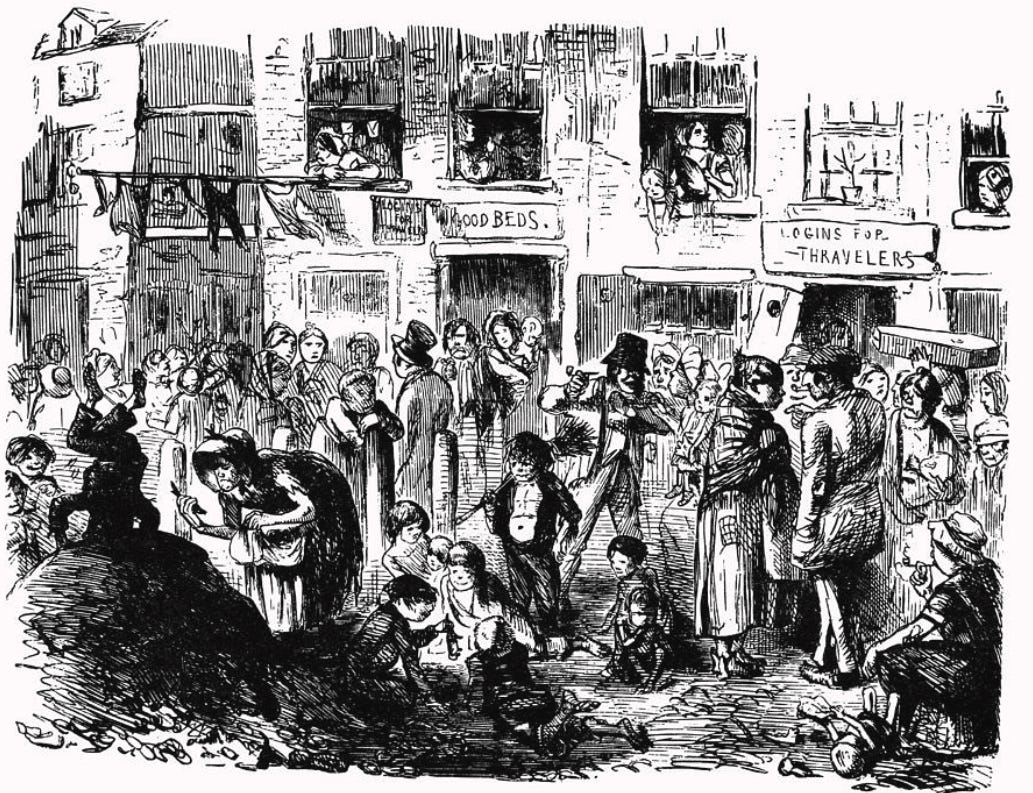
In total, 1,325 cases of cholera infection were officially recorded in Manchester and 674 of them ended fatally. At the time, Manchester was a growing industrial city. Thousands of workers were forced to live in cramped conditions that didn’t meet general sanitary standards. The level of infection in Manchester was slightly lower than the national average, which was explained by a sufficient number of water sources. However, the death rate from cholera in Manchester was higher than the national average.
The poor strata of society suffered the most from cholera in Manchester. They were even accused of spreading the disease. Moreover, the Special Board, which was set up to fight cholera in Manchester, wasn’t concerned with improving the welfare of the poor population.
“What these Special Board members feared was transmission of cholera to the middle and upper classes. They also feared having quarantine affect the city,” wrote the newspapers of the time.
It should be noted that the city founded two separate hospitals for the treatment of cholera patients. They were located at Knott Mill and Swan Street. In addition, those who died from cholera were buried in a special place, namely the Walker’s Croft Burial Ground. Later, this cemetery was buried under Victoria Station and some of the remains were exhumed and reburied in the Southern Cemetery.
What did the doctors of that time write about the disease?
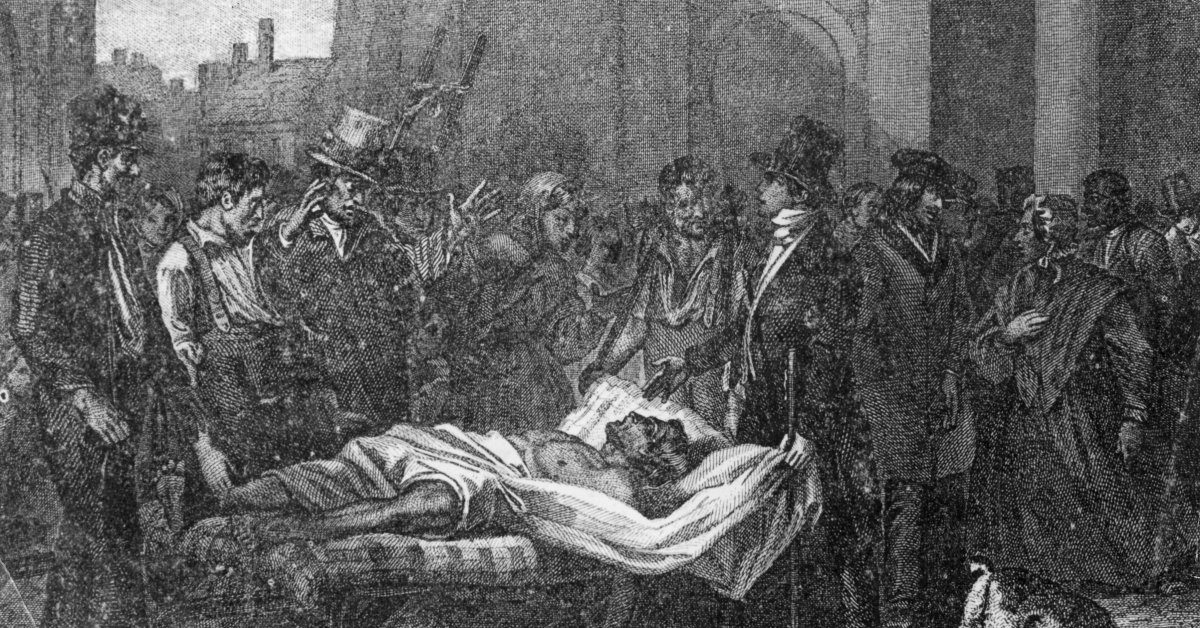
Cholera became a real challenge for the medical community of Manchester. First, nobody knew for sure the ways of its transmission, and secondly, the methods of its treatment.
However, the reports and medical records of the Manchester hospital workers of that time are important and interesting. In particular, such notes were kept by Edward Stephens, who worked at Knott Mill Hospital, and John Windsor, a talented local surgeon.
Let’s add that the treatment methods of that time would have surprised modern doctors. It was quite common to recommend opium in addition to emetics. They also tried to cure it with wine as well as harmful and dangerous substances, such as mercury and hydrocyanic acid. It is clear that the patients didn’t survive after taking such “medicines” and the doctors were criticised for their treatment.
We have already mentioned the doctors who recorded the course of the disease in their patients. However, Manchester doctor Henry Gaulter deserves special attention, as he monitored the course of the disease in the first patient who fell ill with cholera, coach painter James Palfreyman. In total, Henry Gaulter documented in detail 200 cases of cholera in his hometown. The doctor’s notes were included in his work The Origin and Progress of the Malignant Cholera in Manchester.
After all, Gaulter was the first to conclude that cholera spreads in dirty water. He recommended improving the water supply system and waste management. However, at that time, people didn’t want to follow Dr. Gaulter’s recommendations.
The situation remained the same until 1854 when Dr. John Snow definitively established the link between cholera and contaminated drinking water. However, his colleague from Manchester, the aforementioned Henry Gaulter, came to this conclusion a little earlier.