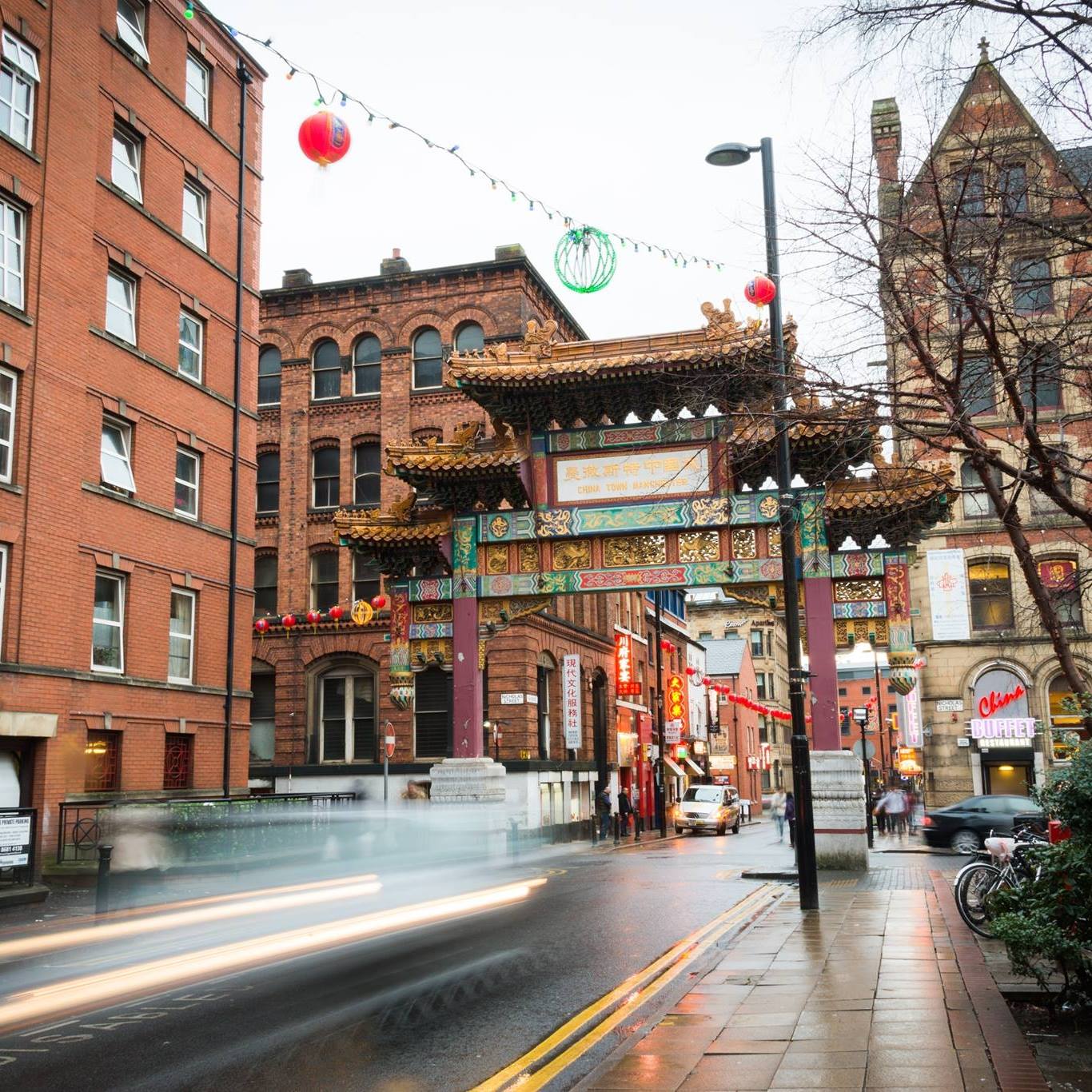

Chinatown is a typical name for an urban enclave with a dense Chinese population. Such districts are located outside Mainland China (the unofficial name of the People’s Republic of China). You can find Chinatowns all over the world, for example, in Europe, North and South America, Africa, Asia and Oceania, notes imanchester.info.
The appearance of Chinatowns was the result of the mass migration of Chinese people to various cities. Immigrants from China brought their culture to new places. The districts where they settled down acquired Chinese restaurants, bakeries, supermarkets, souvenir shops and businesses. At one time, Chinatown appeared in Manchester as well. In this article, we will tell you more about it.
Emergence of Chinatown
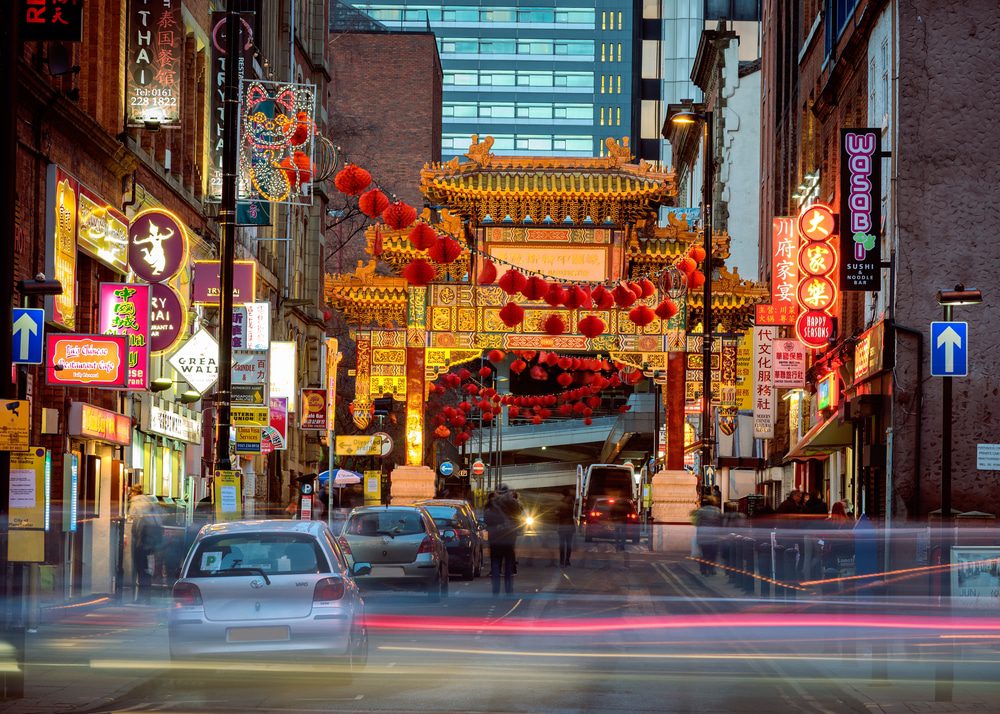
The first immigrants from China appeared in Manchester at the beginning of the 20th century. Manchester was an alternative to Liverpool, which already had a considerable Chinese community at that time. However, the migration processes weren’t mass yet in that period. The first Chinese settlers were opening laundries in Manchester.
After the end of the Second World War, in the late 1940s, more and more Chinese migrants began to settle in Manchester. The British government made it easier to enter the country because of the post-war labour shortage, which caused an influx of Chinese settlers.
Since then, they started to form the Chinese district. Of course, foreigners brought their culture, traditions, customs, beliefs and cuisine. All of that gradually influenced the appearance of Manchester’s district where the Chinese population settled.
The first Chinese restaurant, Ping Hong, was opened on Mosley Street in 1948. Over the next ten years, 16 more Chinese restaurants appeared in Chinatown.
In the early 1970s, in addition to restaurants, Chinatown acquired numerous pharmacies, bakeries, supermarkets and institutions that provided financial and legal services. Among them were the Hong Kong government office and branches of The Hong Kong and Shanghai Banking Corporation.
In 1989, the Chinese Arts Centre was opened in Manchester’s Chinatown.
In general, in the second half of the 20th century, Chinatown in Manchester had clearly defined boundaries. They ran along Mosley Street to the west, Portland Street to the east, Princess Street to the south and Charlotte Street to the north.
Paifang Arch, Bunker and Guardian Telephone Exchange
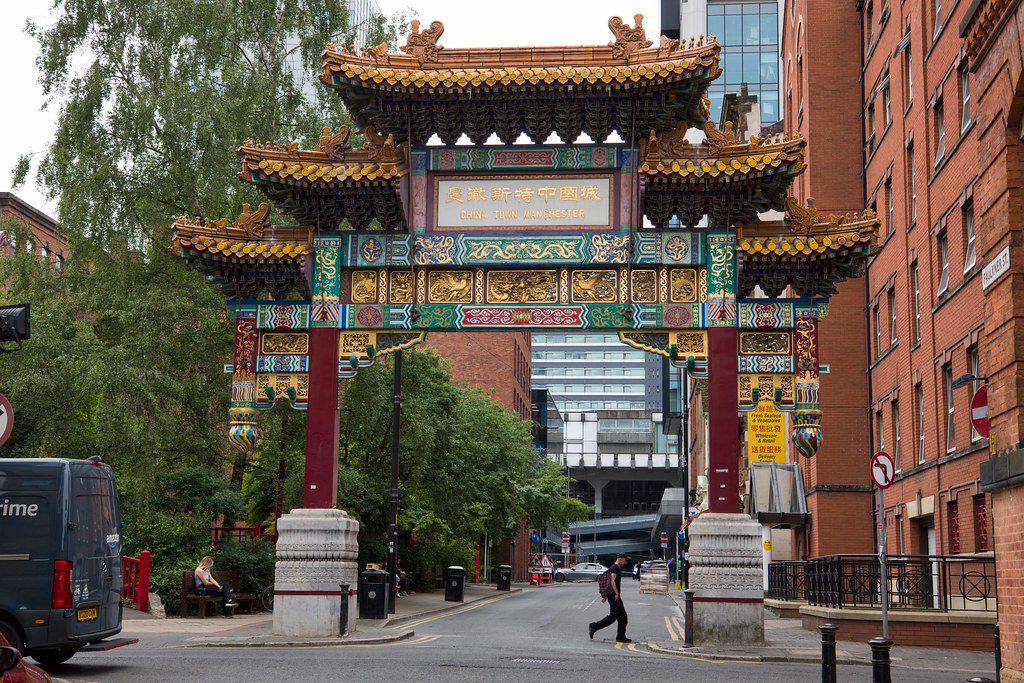
Elaborately decorated with dragons and phoenixes, the Paifang Arch became probably the most important symbol of Chinatown in Manchester. The arch was built in China and delivered to Manchester in three containers. Then the arch was assembled and installed in the city. Paifang was officially opened in 1987. The arch was a gift from Manchester City Council to the city’s Chinese community. In addition, a year before the installation of this architectural landmark, Manchester became twinned with the Chinese city of Wuhan.
A few people know that there is an anti-radiation bunker under Chinatown’s numerous restaurants, cafes, karaoke bars and other establishments. It was built during the Cold War at the expense of NATO. The secret bunker was supposed to serve as a shelter for officials in case of a nuclear attack. The bunker was kept secret for a long time. Only in 1967, officials first confirmed its existence. However, this object was never opened for visitors.
The secret door to the underground bunker is the Guardian Telephone Exchange, which is another Chinatown landmark.
Restaurants, bars and shops
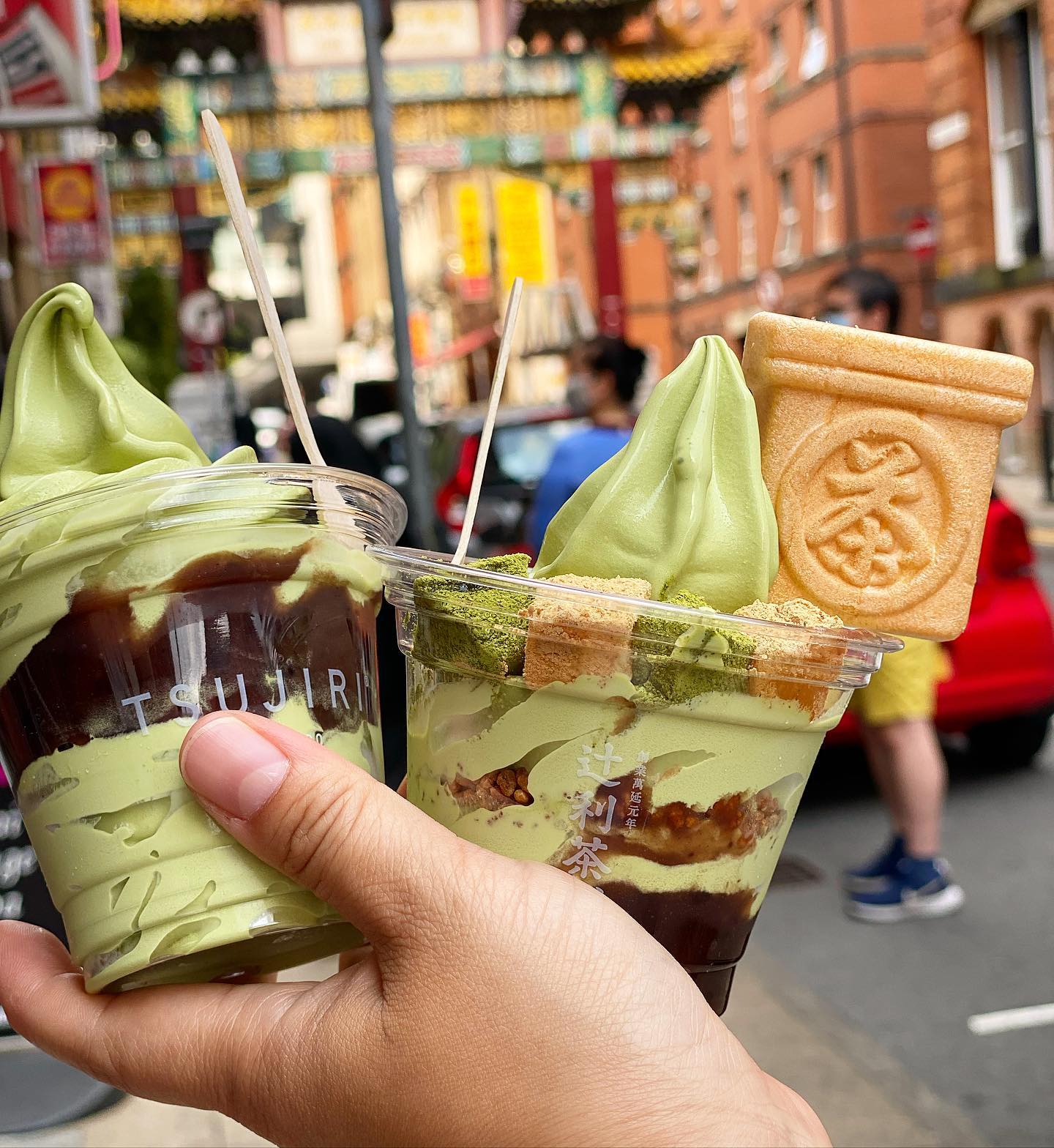
Chinatown in Manchester offers a wide variety of cafes, restaurants, bars, pubs and many more. At the beginning of the 21st century, there were more than 100 food establishments in Chinatown. They served not only Chinese cuisine but also Vietnamese, Thai, Japanese, Nepalese, Malaysian, Singaporean, etc.
In addition, Chinatown is a perfect place for shopping. There are many supermarkets, stores and souvenir shops. Visitors to Manchester’s Chinatown often buy Chinese tableware, tea, jewellery, art and many more.
It is also a place of entertainment and fun, especially during one of the biggest traditional Chinese holidays, Chinese New Year. It is usually celebrated in the second half of January or at the beginning of February. The celebration lasts for 15 days.
Thus, the mentioned period is the best time to visit Chinatown in Manchester. Every year, thousands of spectators witness exciting acrobatic and musical shows, masquerades, art exhibitions, fireworks, etc. Guests often felt as if they were visiting Shanghai or Hong Kong. However, it’s a multi-faceted Manchester.
At the beginning of the 21st century, Manchester’s Chinatown was the second largest in Great Britain and the third largest in Europe.