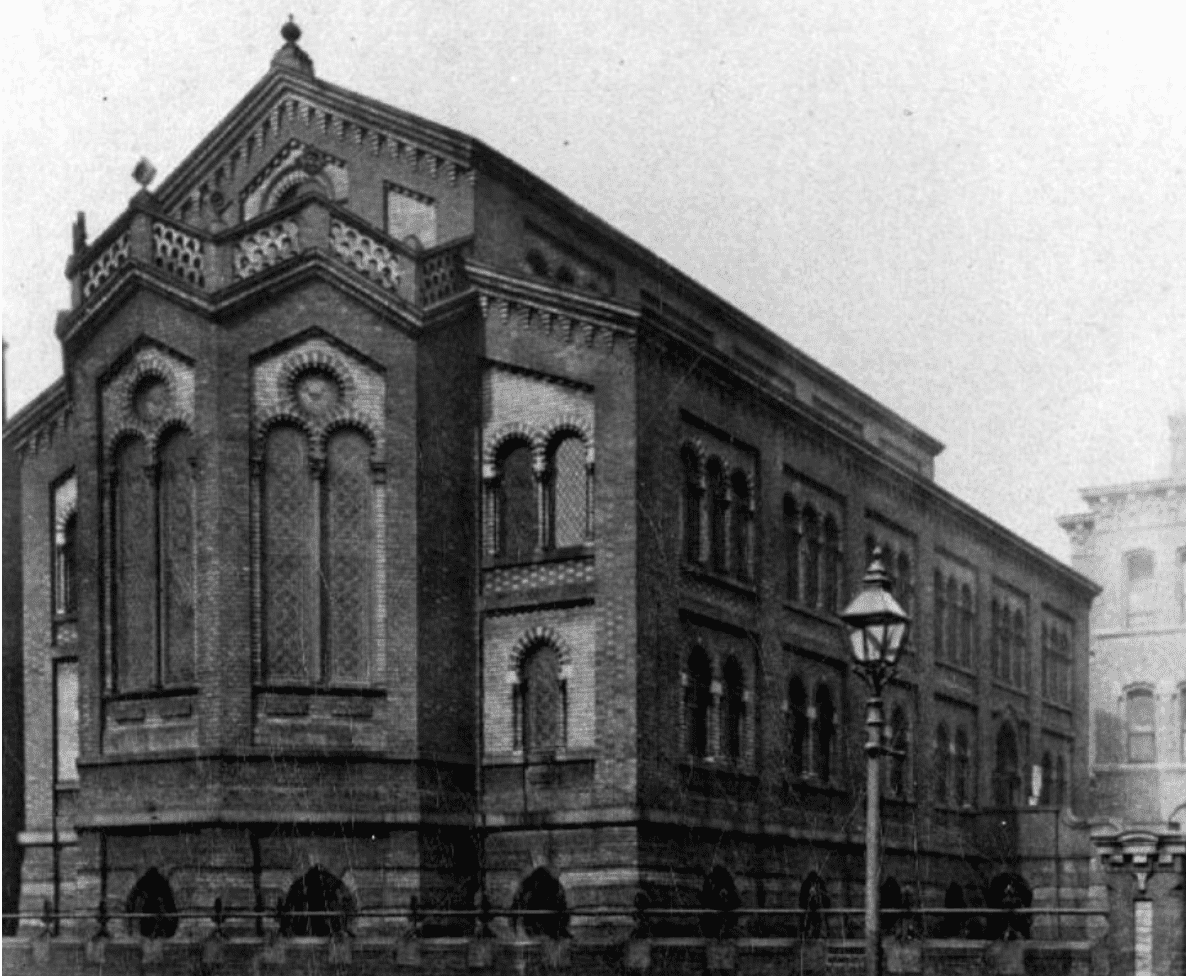

Manchester, known globally for its rich industrial history and cultural diversity, has also long been a significant centre of Jewish life in the UK. While the history of Manchester’s Jewish community may not be as extensive as in other cities, it plays an essential role in the city’s story of resilience, faith, and integration. At the heart of Jewish life in Manchester for many years has been the Reform Synagogue. This article explores the history of Manchester’s Jewish community, the establishment of its synagogue, and its enduring legacy. Next on imanchester.info.
Early Jewish Settlement in Manchester
The Jewish presence in Manchester dates back to the late 18th century. The first Jewish settlers, like many others, came to the city drawn by its growing textile industry. Early Jewish immigrants were primarily traders and peddlers seeking better economic opportunities. Over time, the Jewish population grew significantly, necessitating the creation of the first official Jewish community institution in Manchester.
Political and Social Context of Community Development
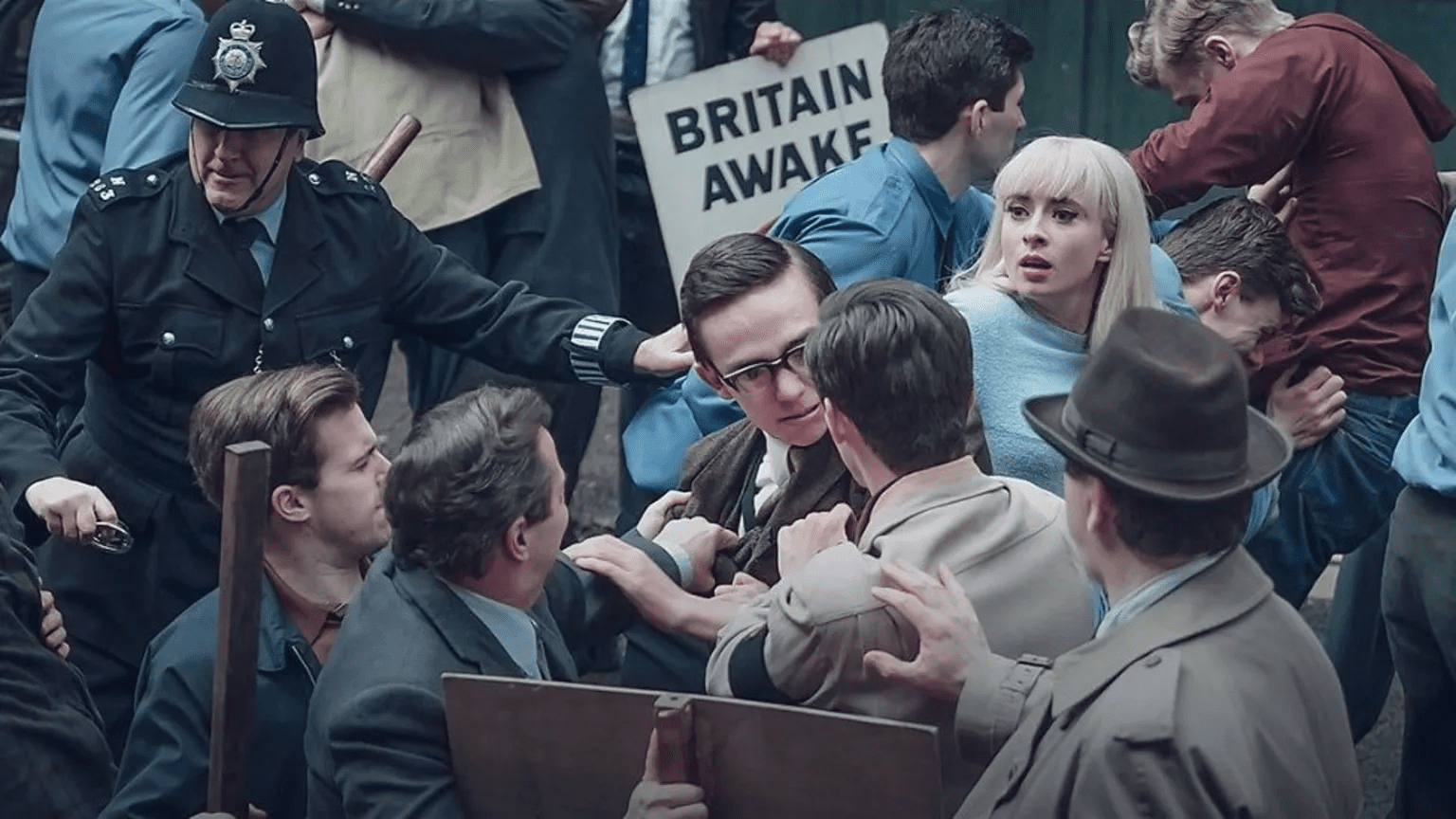
It is essential to consider the political and social backdrop that shaped the growth of Manchester’s Jewish community. In the 18th century, Jews in Manchester, as in the rest of Britain, had no political rights and were not allowed to purchase property. Anti-Semitic attitudes were widespread among Manchester’s residents. Many Jews worked as hawkers or pedlars and relied on safe havens in welcoming homes to form temporary prayer groups (minyans) for observing Shabbat.
Additionally, Manchester’s press was often overtly anti-Semitic, creating further challenges for the Jewish population.
Traditionally, many Jews worked in trades such as waste collection, jewellery making, and calligraphy. Others became moneylenders, seal engravers, watchmakers, and miniature painters. While these professions were often profitable, they also made Jews targets of accusations when dishonest individuals used these skills for forgery or theft. Consequently, Jews faced widespread suspicion and distrust.
Establishment of the Synagogue
Despite the difficulties faced by Manchester’s Jews, their community expanded and developed rapidly. In 1786, the city’s first synagogue was established. It was modest, located in a rented room at Ainsworth Court on Long Millgate. Jewish families began to settle in the surrounding streets near the synagogue.
The history of Manchester’s Reform Synagogue began in the mid-19th century. In 1857, Horatio Michollis, the first president, and Rabbi Solomon Marcus Schiller-Szinessy led a group of German-Jewish immigrants in Manchester to form a congregation. Notably, this was the second Reform congregation established in Britain and the first outside London. The Jewish community grew and flourished.
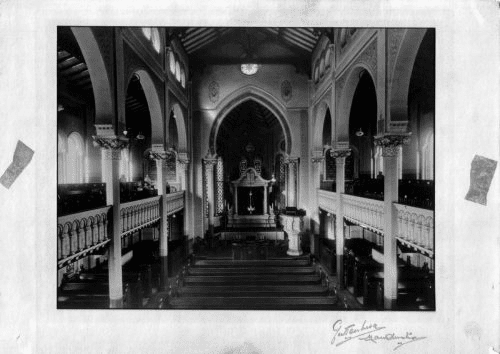
The Reform Synagogue opened its doors to the Jewish community in Manchester in 1858. Located on Park Place, Cheetham Hill Road, it became a vital hub of Jewish life in Manchester. Offering a range of religious services, educational programs, and community events, the synagogue fostered a warm and welcoming atmosphere for Jews of all backgrounds and income levels. It served as a gathering place, a venue for celebrations, and a source of support during difficult times.
For over 80 years, the synagogue thrived, reflecting the growth of Manchester’s Jewish community. However, during World War II, the synagogue faced devastating destruction. In June 1941, it was completely demolished during a massive air raid on Manchester.
Restoration from Ruins
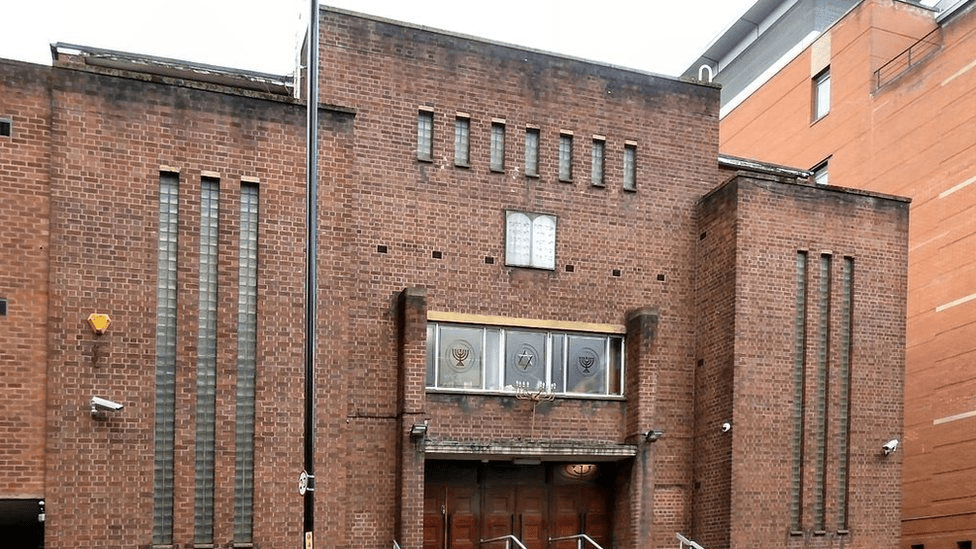
After World War II, in 1949, the community purchased a plot of land on Jackson’s Row in Manchester to build a new synagogue. Funds for the project were provided by the War Damage Commission.
The new synagogue, completed in the early 1950s, was significantly larger than its predecessor. It included a banquet hall and classrooms, accommodating the community’s expanding needs.
In the 21st century, however, the synagogue building faced demolition. Manchester’s city council planned to clear the area for a redevelopment project around St Michael’s Church. Ultimately, an agreement was reached to sell the property, and Manchester Reform Synagogue officially closed its doors in 2022. The building was demolished in 2023.
Continuing the Community’s Legacy
Although the synagogue building no longer stands, the Reform Synagogue and the Jewish community continue to thrive. Since 2022, the Jewish community has used temporary premises located in the chapel of the University of Manchester on Oxford Road.