
The 18th, 19th, and 20th centuries were challenging times for the citizens of Manchester. During these centuries, the city endured repeated outbreaks of some of the most devastating epidemics, including cholera, plague, Spanish flu, typhus, and others. These epidemics claimed the lives of hundreds of thousands of Manchester’s residents. Another calamity struck the city in 1918 in the form of the Spanish flu. However, thanks to the profound knowledge, bravery, and determination of Dr James Niven, hundreds of lives were saved. How this legendary Manchester doctor fought the epidemic is detailed further in this article. More on imanchester.info.
James Niven’s Early Life
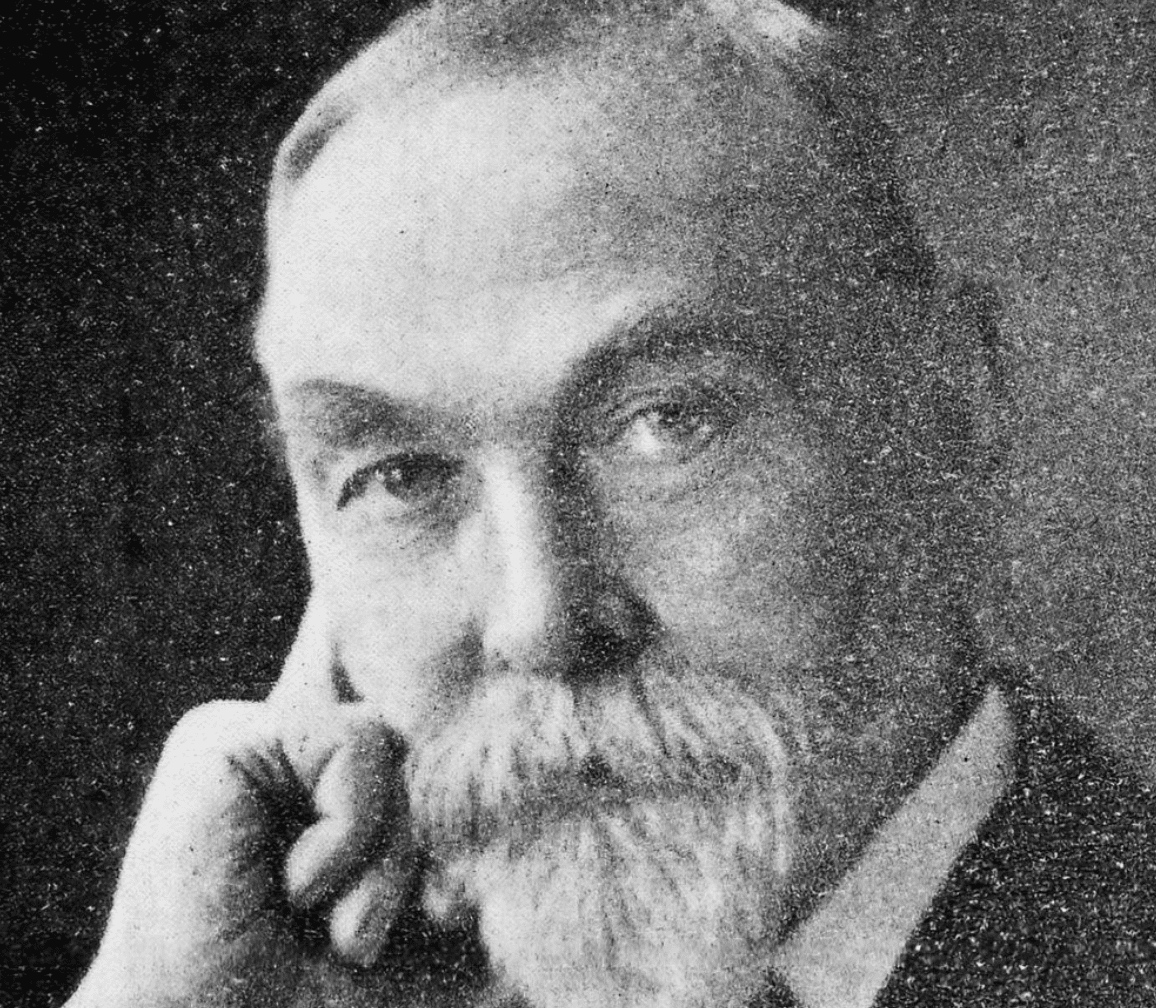
James Niven was born in the picturesque town of Peterhead, Scotland, in 1851. Surprisingly, Niven’s early years were not connected to medicine but to engineering. He even completed a course in mathematics at the University of Cambridge, intending to become a research scholar. However, after earning a master’s degree from Cambridge, he realised he wanted to study a completely different field—medicine.
From a young age, Niven demonstrated exceptional knowledge not only in mathematics but also in biology and chemistry. Additionally, he was compassionate and empathetic, embodying the qualities of an ideal physician, although he did not yet realise this.
Determined to pursue medicine, Niven began working at St Thomas’s Hospital in London, where he gained practical experience and acquired essential medical knowledge. By 1880, at the age of 29, he obtained a Bachelor of Medicine and Bachelor of Surgery degree, awarded by medical schools and universities across Britain.
Following this achievement, Niven joined the Metropolitan Asylums Board, serving as an assistant physician at the Deptford Fever and Smallpox Hospital. Soon after, he decided to start his own medical practice and moved to Manchester, dedicating most of his life to the advancement of medicine.
Medical Career in Manchester
After practising privately in Manchester for several years, Niven temporarily left this role in 1886 to take up the position of medical officer in Oldham, near Manchester. Concurrently, he worked as a medical superintendent at the Westhulme Fever Hospital in Lancashire.
The 1880s marked a period of significant growth for Niven as a medical professional. He led campaigns advocating for the classification of tuberculosis as a notifiable disease, gaining widespread support from his colleagues across Manchester and the surrounding areas. Unfortunately, he could not achieve his ultimate goal in this regard.
To further promote awareness about tuberculosis and introduce necessary measures, local doctors funded Niven’s studies in Berlin under Robert Koch, the renowned scientist who discovered the tuberculosis bacterium. Koch disproved the common belief that the disease was caused by “bad air.”
Armed with knowledge gained from Koch, Niven returned to Manchester, where he shared his expertise with other practising physicians. He taught them about treating diseases such as smallpox, typhus, measles, scarlet fever, and whooping cough.
In Manchester, Niven also focused on public health, particularly sanitation and hygiene. He played a significant role in improving living conditions, sewage systems, and waste removal, significantly reducing smoke pollution and the spread of infectious diseases in the city.
High Position in Public Health
In 1894, Niven achieved a major milestone when he was appointed Medical Officer of Health for Manchester, a prestigious role he held until his retirement. During his tenure, he accomplished numerous advancements in the city’s healthcare system.
Under his leadership, Manchester saw significant improvements in hygiene, sanitation, and living conditions. Birth rates increased, and mortality rates declined. Over 28 years, Manchester’s population grew from 517,000 to 770,000, reflecting the effectiveness of Niven’s methods.
Key achievements during his tenure included:
- Converting 85,000 bucket toilets into more sanitary alternatives;
- Implementing an intensive slum clearance programme, demolishing 23,000 uninhabitable homes.
However, Niven is most renowned for his efforts in mitigating the impact of the Spanish flu pandemic in Manchester during the final months of World War I.
Fighting the Spanish Flu in Manchester
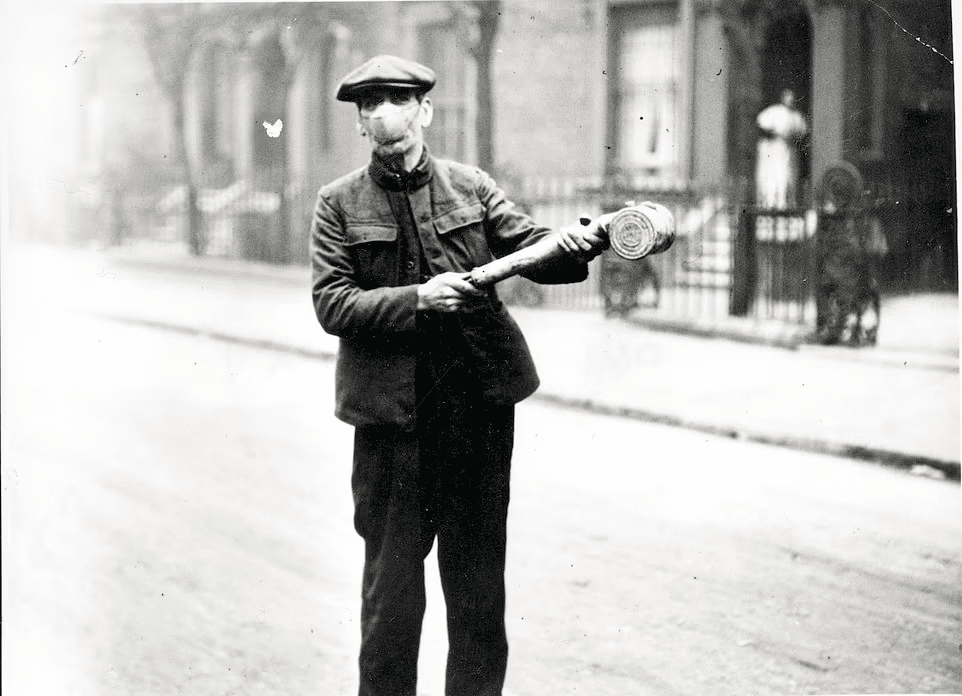
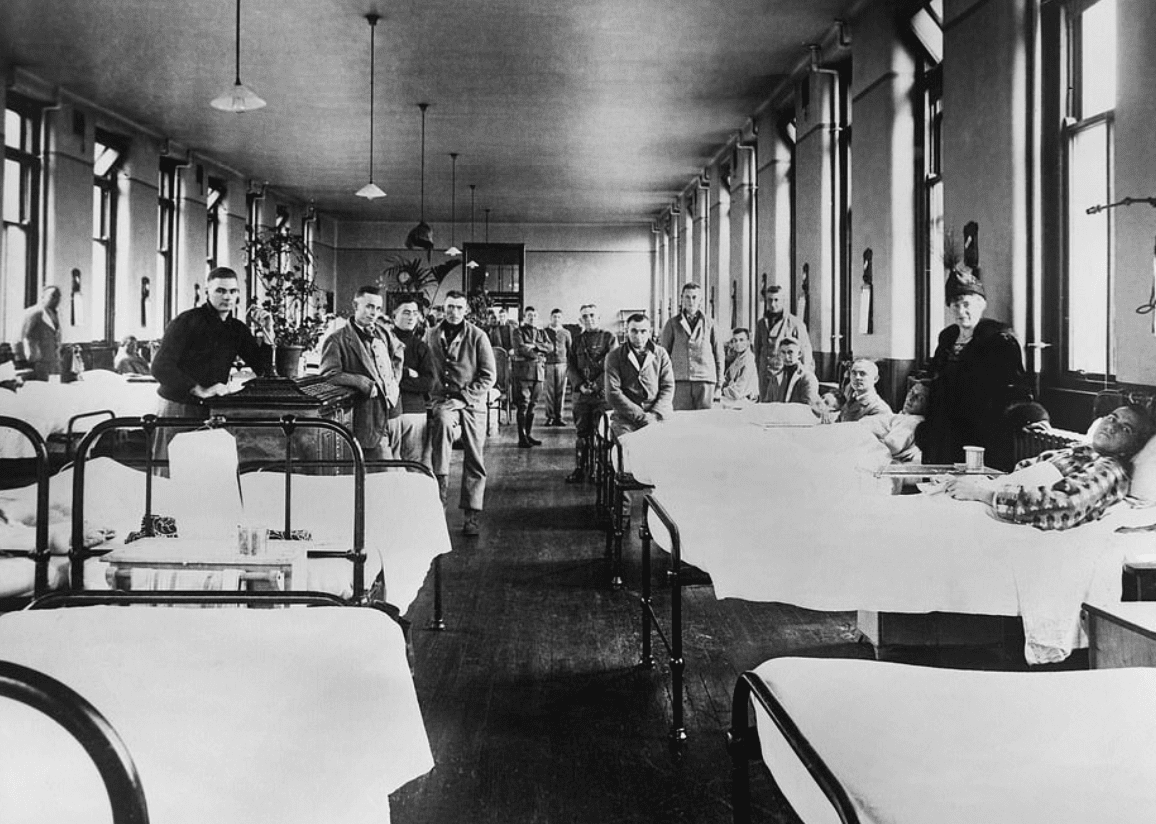
When the Spanish flu pandemic swept across the globe, Manchester faced an unprecedented public health crisis. The virus was highly contagious and lethal, spreading rapidly through the city’s streets, homes, and textile factories.
The Spanish flu was particularly aggressive and deadly, especially among young and healthy individuals. It caused acute respiratory syndrome, often leading to death within days of the first symptoms, distinguishing it from seasonal flu outbreaks.
In this challenging time, Niven became a true saviour. With his profound understanding of infectious diseases, he worked tirelessly to reduce the death toll in Manchester.
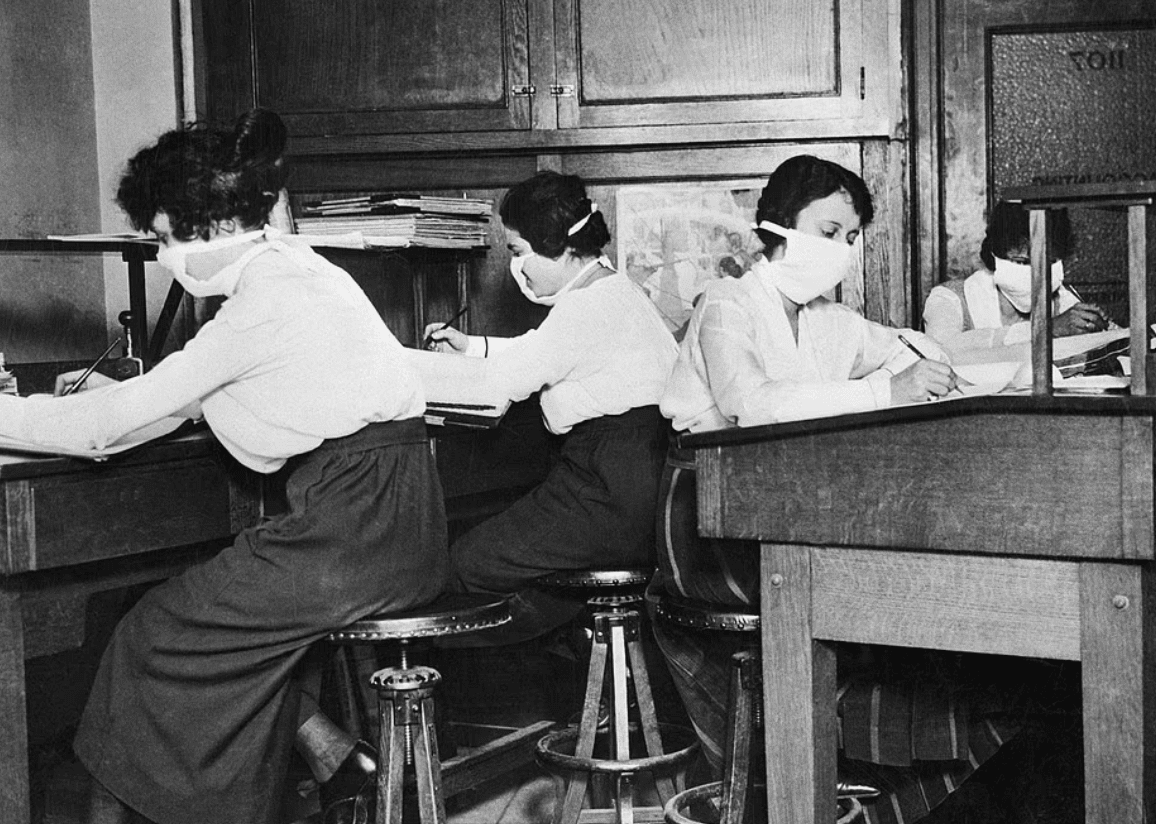
Niven advocated strict public health measures, including social distancing, quarantine, and mask-wearing, which proved crucial in slowing the virus’s spread. He also emphasised the importance of personal hygiene and sanitation, urging residents to wash their hands regularly and avoid crowded places when possible.
As Manchester’s Medical Officer of Health, Niven did not hide the gravity of the situation. He regularly addressed the public through speeches and newspaper articles, providing updates on the pandemic and offering practical advice on staying safe.
When the pandemic eventually subsided, life in Manchester began to return to normal. Thanks to Niven’s efforts, countless lives were saved.
James Niven lived an extraordinary life, saving countless people and significantly improving life in Manchester. However, after retiring in 1922, he developed depression. Tragically, in 1925, at the age of 74, he took his own life.