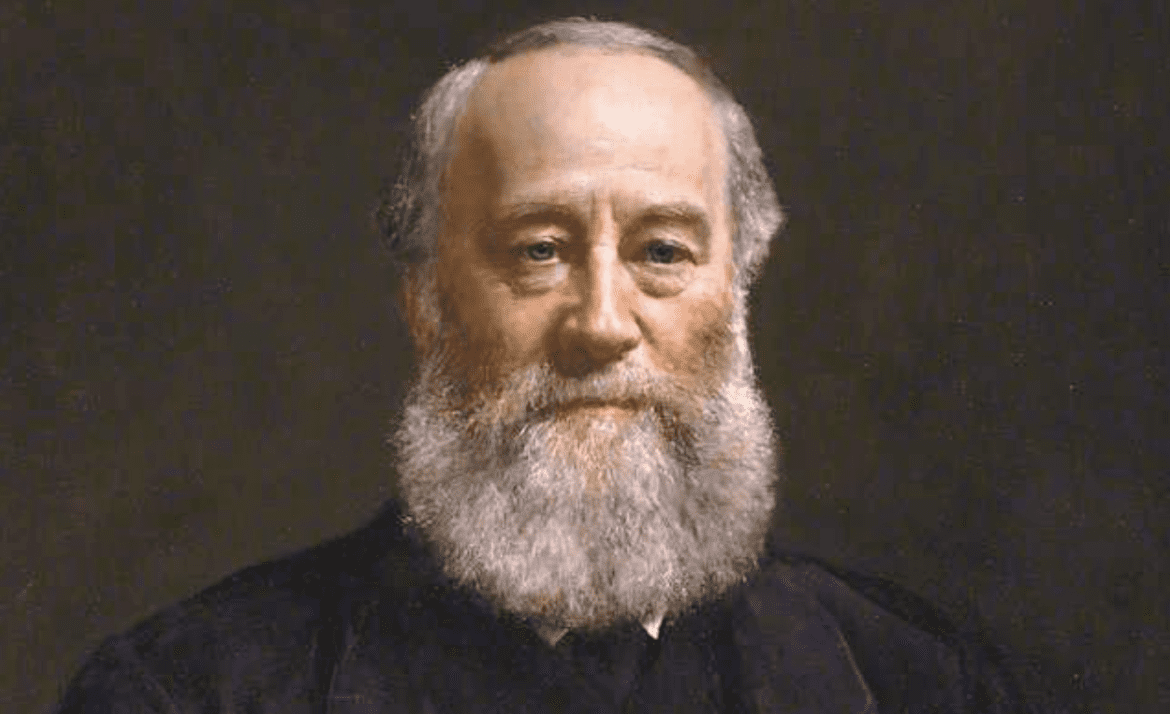

James Joule is known far beyond Manchester. He is an outstanding British physicist, mathematician, and surprisingly, brewer. His name stands behind the creation of the fundamental principles of modern physics. Learn more at imanchester.info.
Early years of the future innovator
James Joule was born in Salford, Greater Manchester, in 1818. His father was famous, successful, respected and wealthy brewer Benjamin Joule. His family had every opportunity to pay special attention to James’s education. In particular, he was tutored by a famous 19th-century British scientist, chemist, physicist and meteorologist. He also admired the work of the chemist William Henry and the Manchester engineers Peter Ewart and Eaton Hodgkinson. Joule loved science, research and everything related to it. But most of all he was fascinated by electricity. Even at a young age, he conducted various experiments with it, subjecting his brother, himself and family servants to electric shocks.
However, science became just a hobby for James when he grew up. After all, he had to inherit his father’s business and manage the brewery.
How did beer production revolutionise science?
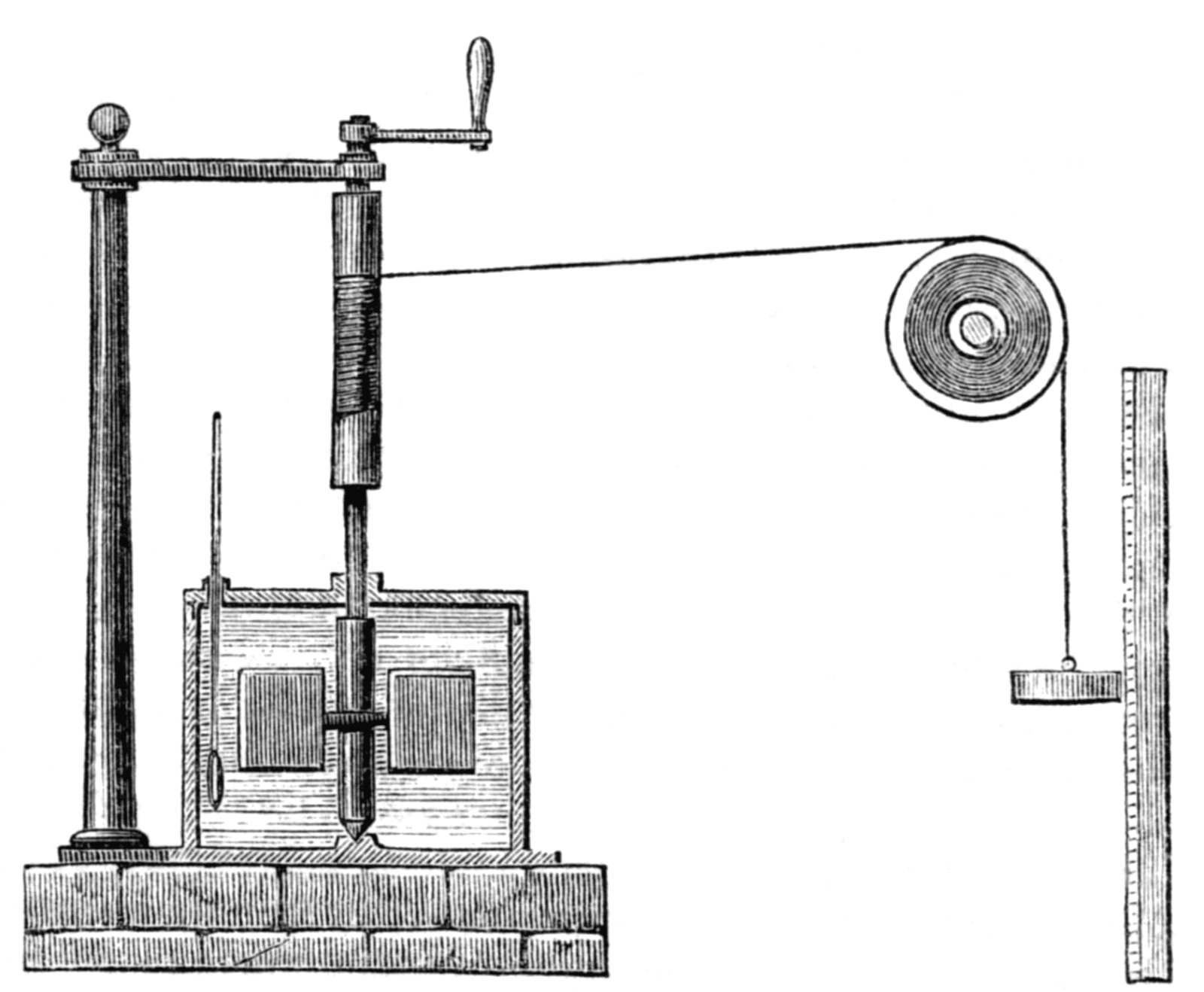
In the middle of the 19th century, Joule became interested in replacing the steam engines at the brewery. In particular, he studied all possible options for increasing production efficiency and replacing the steam engine with the long-invented electric one. In 1841, he managed to discover his first law.
Joule’s first law, also known as the law of conservation of energy or simply the law of conservation, states that energy can’t be created or destroyed, but can be transformed from one form to another. This law underlies the principles of physics and thermodynamics.
The essence of Joule’s law is that the total energy of a closed system, including its kinetic energy, potential energy and interaction energy, remains constant over time unless the system is acted upon by external forces. This means that energy can change from one form to another, for example, from mechanical to thermal or chemical, but it is conserved in the end.
In the 19th century, Joule’s first law became the basis for understanding many physical processes, such as heat conduction, electrical circuits, mechanics and others. This law has also become very common in engineering, technology and science in general. Joule’s first law is the key one, as it underlies all modern thermodynamics. His discoveries not only laid the theoretical foundation of the Industrial Revolution but also paved the way for the further development of modern physics.
It should be noted that Joule’s first research and experiments on energy conversion were published only in 1843.
He was also involved in the development of an absolute thermodynamic temperature scale.
Further life and honours
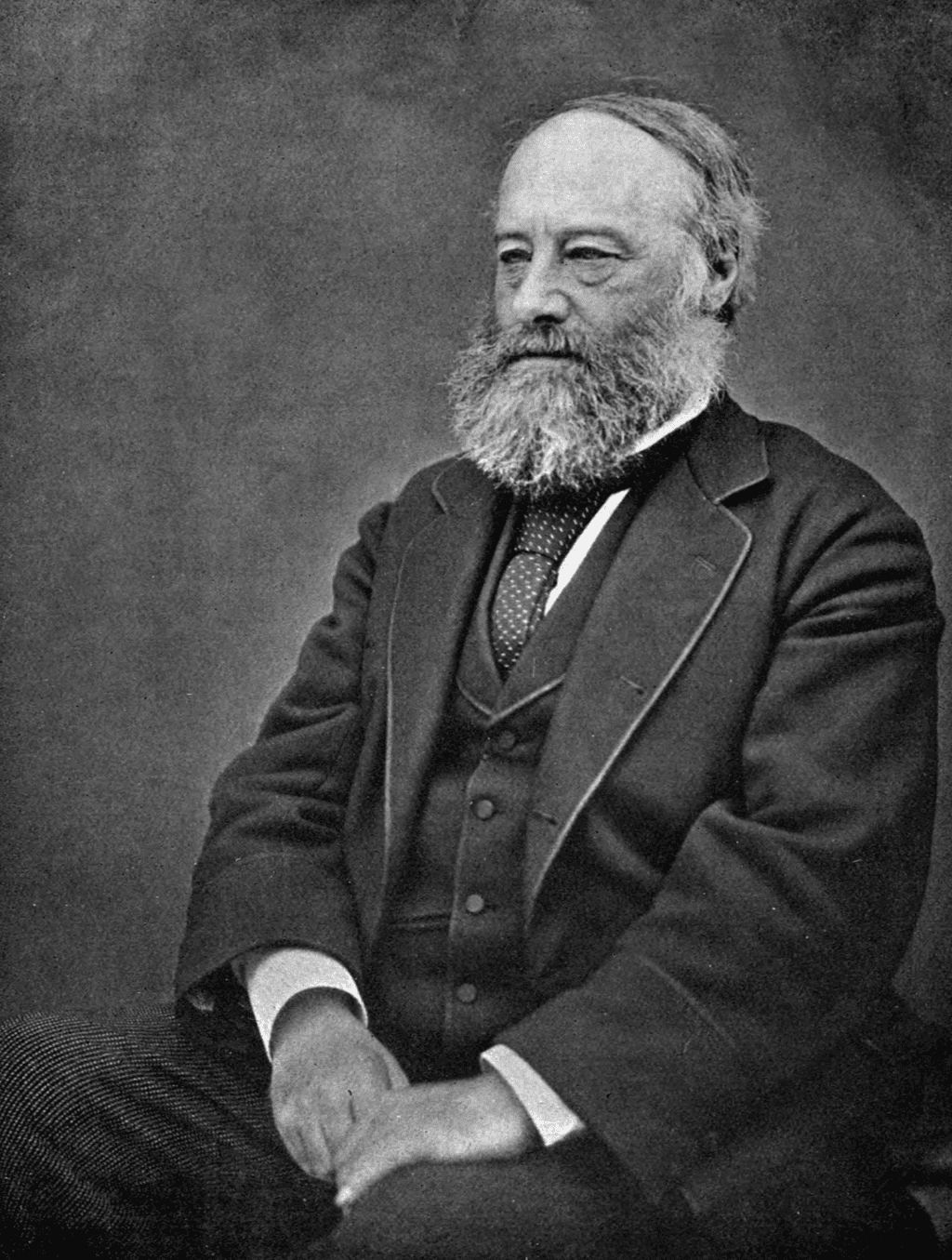
From a young age until the end of his life, Joule was engaged in science, conducting experiments and research in physics. He wrote and published scientific articles that overturned the established ideas about natural processes at that time.
Joule is also credited with explaining the sunset green flash phenomenon. He was also known for
- disproving of the caloric theory
- the first law of thermodynamics
- mechanical equivalent of heat
- magnetostriction
- the Joule cycle
- the Joule effect
- the Joule expansion
- Joule’s first law
- Joule’s second law
- and the Joule-Thomson effect.
Joule died in Sale, Manchester, in 1889. At the time of his death, the outstanding scientist was 70 years old.
During his life and activity in science, he made many discoveries and was awarded many honours. For example, a civil list pension of £200 a year for services to science; the Albert Medal of the Royal Society of Arts “for having established, after most laborious research, the true relation between heat, electricity and mechanical work, thus affording to the engineer a sure guide in the application of science to industrial pursuits”; the Copley Medal “for his experimental researches on the dynamical theory of heat”; the Royal Medal “for his paper on the mechanical equivalent of heat, printed in the Philosophical Transactions for 1850”.
James Joule was also
- Fellow of the Royal Society
- President of the Manchester Literary and Philosophical Society
- President of the British Association for the Advancement of Science
- and Honorary Member of the Institute of Engineers and Shipbuilders of Scotland.
To recognise his contributions to science, the unit of energy in the SI was named in his honour, the joule (J). Joule’s discovery of the interconversion of different forms of energy had far-reaching implications for many scientific disciplines, from engineering to biology.
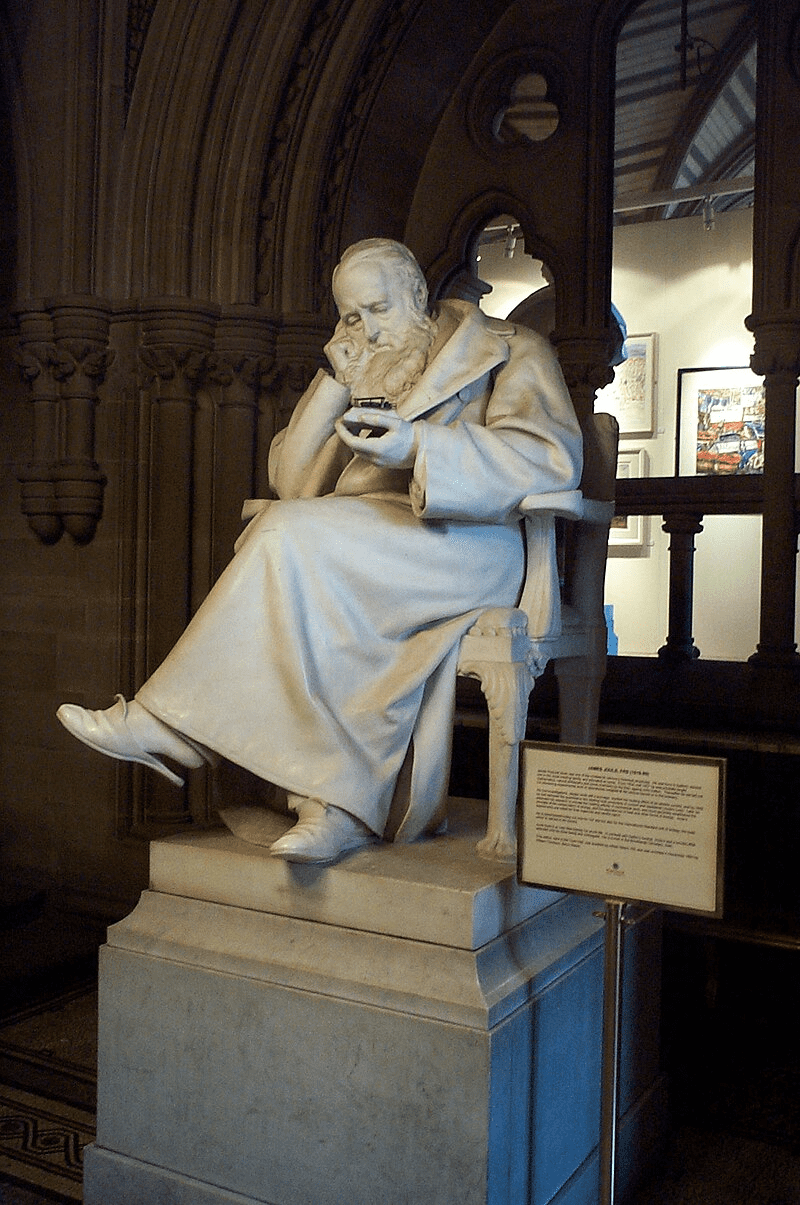
In addition, a statue of Joule was installed in Manchester Town Hall. James Joule’s legacy as a pioneering physicist and his law of conservation of energy continue to play an important role even in the 21st century. His research and discoveries significantly contributed to shaping our understanding of the world.