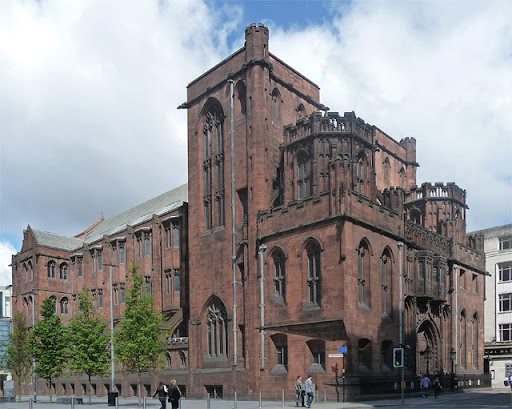

Manchester is an extremely attractive and sightseeing British city. In addition to the fact that it is famous for its industrial past, cultural development didn’t stand still here either. It is proven by amazing examples of architecture and art. The city can boast of fascinating book collections as well. As imanchester.info notes, one of the most famous of them is the library named after Manchester’s first multi-millionaire and the owner of the textile concern John Rylands.
Foundation of the library
This well-known Manchester library was founded by the widow of entrepreneur and philanthropist John Rylands, Enriqueta Augustina Rylands. She was the third wife of a Manchester multi-millionaire, as his two previous wives had died.
At the time of their wedding, John was 74 years and the bride was 32. The famous Manchester businessman died in 1888. The bulk of his fortune passed to his wife Enriqueta Augustina.
The young widow decided to found a library in memory of her husband and name it after him. In 1889, she purchased a land site on Deansgate Street in central Manchester. Many people then criticised Mrs Rylands for choosing this place because it was busy and dirty. However, given that Manchester was an industrial city at that time, it was difficult to find a spot free from soot and other by-products.
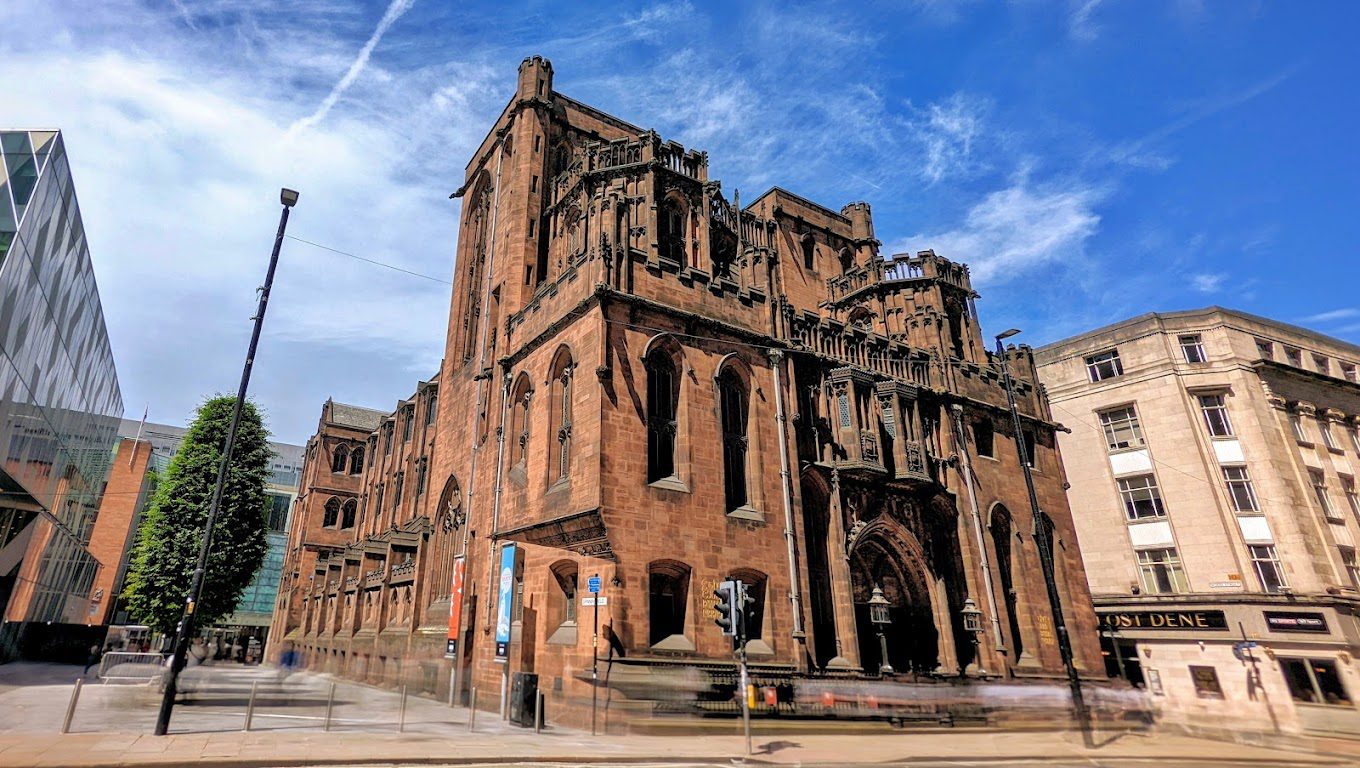
The entrepreneur’s widow hired the famous architect and writer Basil Champneys to develop the project for the future library building. He specialised in the Gothic style. Therefore, the John Rylands Library building became a vivid example of the neo-Gothic architecture of the Victorian era.
Many people note that the library building looks like a cathedral. In fact, Mrs Rylands wanted to make a theological library, which explains its appearance.
The opening of the library took place on October 6, 1899. The Rylands couple would have celebrated another anniversary of their marriage on that day. However, the John Rylands Library opened its doors to visitors on January 1, 1900.
The book fund
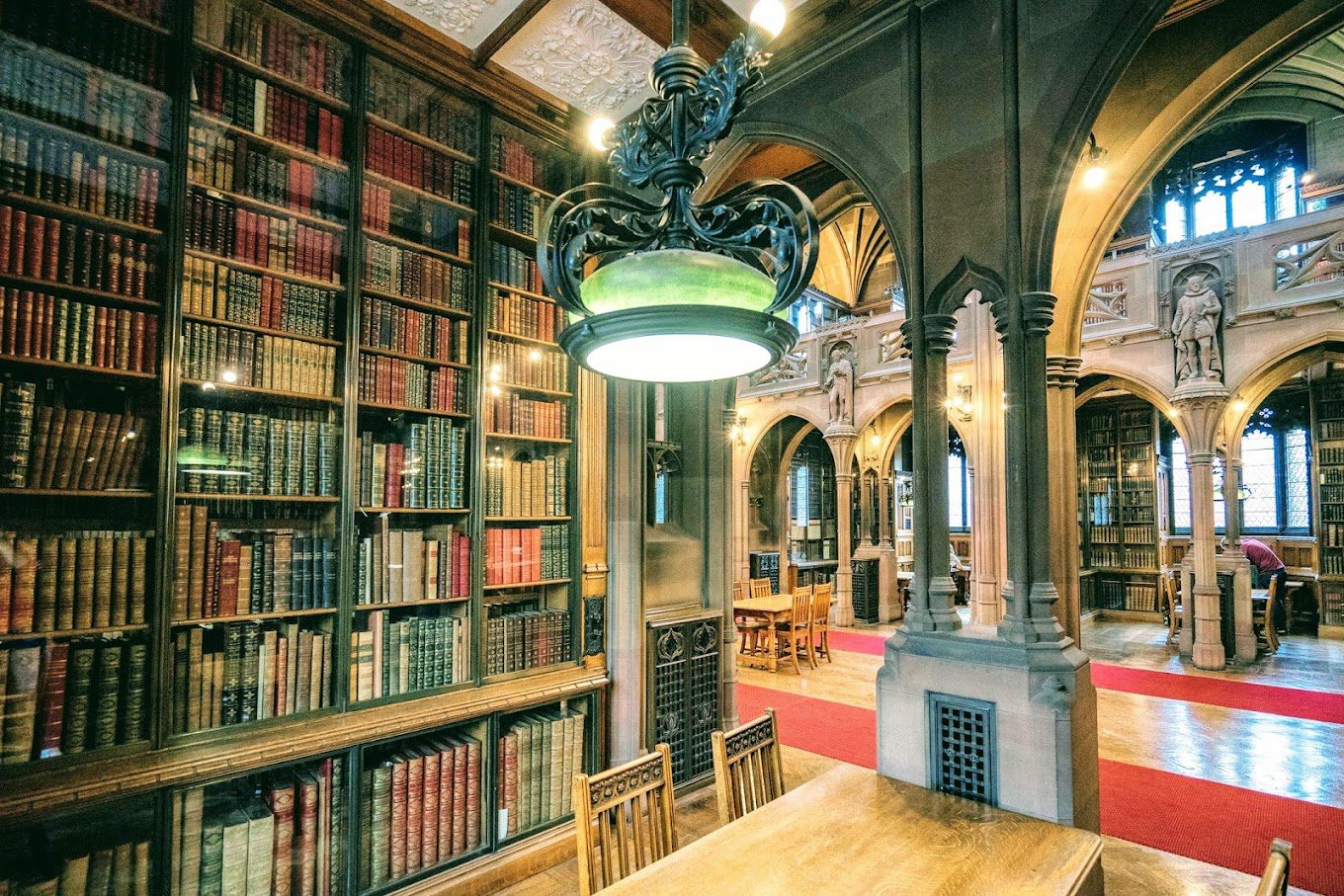
The library fund consisted mainly of the collection of the politician and Lord George Spencer Jr. He was known for his interest in literature. Lord collected many manuscripts and books. Some of them were extremely valuable ones. In 1892, Mrs Rylands bought Lord Spenser’s collection for a whopping sum of £210,000. After the opening of the library in 1899, Enriqueta Augustina Rylands literally began a hunt for valuable books and manuscripts. Mrs Rylands bought books for the library named after her husband until the end of her life.
In 1901, she made another important purchase, namely a personal library of Earl James Lindsay. Thus, another 6,000 books were added to the John Rylands Library. This deal cost £155,000.
The fund was actively replenished even after Mrs Rylands’s death in 1908. After all, it was one of the points of her will, to increase the fund of her creation. In addition, many nobles bequeathed their family records, collected manuscripts and books to the library.
In general, the John Rylands Library housed truly unique exhibits, namely a fragment of the Gospel of John, a manuscript fragment of the apocryphal Gospel of Mary, a collection of papyri known as the Rylands Papyri, as well as Arabic papyri, Oxyrhynchus papyri, several books by the English first printer Caxton and the Gutenberg Bible.
In the subsequent years of the library’s existence, its fund was repeatedly expanded and replenished with new valuable works.
It should be noted that the library has undergone several renovations and expansions. The first building expansion took place in 1920 and the next ones took place in the 1960s.
In 1972, the John Rylands Library and the University of Manchester Library merged to form a single book fund. Since then, the library has become the John Rylands Research Institute and Library. Thus, the famous library became part of the University of Manchester.