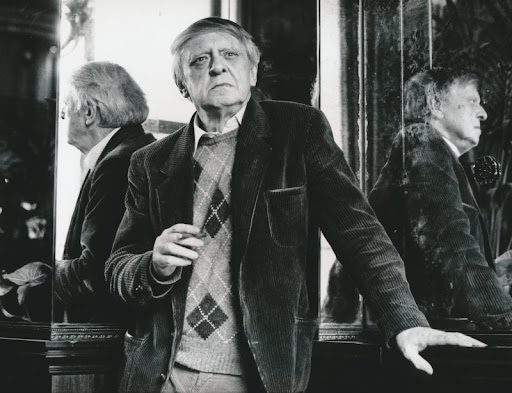

“I wish people would think of me as a musician who writes novels, instead of a novelist who writes music on the side”. This is what Anthony Burgess, a famous writer from Manchester, one of the classics of English literature, critic and composer, once said about himself. Burgess began writing at a mature age, after his forty. As imanchester.info notes, he was pushed to write tirelessly by a terrible diagnosis, cancer, which eventually turned out to be a mistake.
Anthony Burgess’s books are interesting to the lovers of intriguing thriller novels. In this article, we will tell you about the life and work of one of the most mysterious geniuses in world literature.
Childhood, education, military service and lecturing
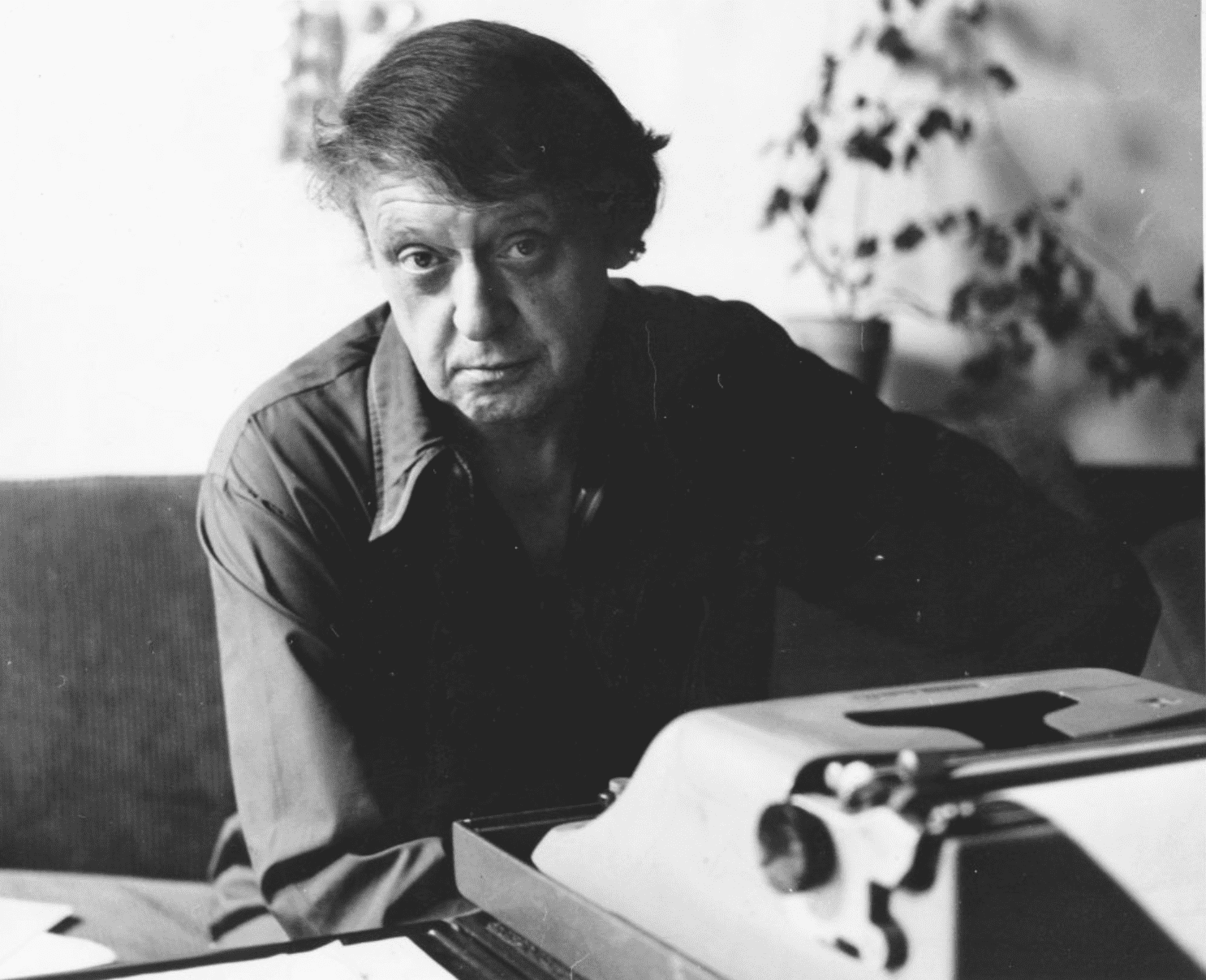
The writer’s full name is John Anthony Burgess Wilson. Burgess is his mother’s maiden name, which he took as a pseudonym. Most of his works were published under the name Anthony Burgess.
The future writer and composer was born in Manchester on February 25, 1917. His family members were Catholic and representatives of the middle class. Anthony’s father worked as a shopkeeper, and in the evenings, he played the piano in Manchester pubs. Probably, Anthony inherited his love for music from his father.
When the boy was only two years old, his mother died of the Spanish flu. After the death of his mother, little Anthony was raised at first by his aunt and later by his stepmother.
Anthony attended St. Edmund’s and Bishop Bilsborrow Memorial Elementary Schools. Then Burgess continued his studies at Xaverian College. After that, the young man planned to get a musical education and become a composer. However, the family dissuaded the boy from this profession in every possible way, saying that it was poorly paid. In the end, Manchester’s university turned down Burgess’ application due to poor grades in some subjects.
Therefore, the young man entered the same university, but to study English language and literature. The future writer completed his studies in 1940.
During World War II, Anthony Burgess served in the Royal Army Medical Corps. After the end of the war, the future writer began lecturing. During 1946-1950, Burgess was a lecturer at Birmingham University and Banbury School and worked in regional institutions of the Department for Education.
It is worth noting that Burgess was a real intellectual. He knew seven languages and was considered one of the best researchers of William Shakespeare’s legacy. Music was the passion of his life. Burgess’ works have been broadcast on BBC radio, in films and performed by orchestras. However, Burgess didn’t gain world fame as a composer. He became famous as a writer, although he didn’t write much until 1959.
Burgess wrote his first novel, A Vision of Battlements, in 1949. The work was based on Virgil’s Aeneid.
His work in Malaysia and Brunei
In 1954, Anthony Burgess joined the British Colonial Service and became a teacher in Malaysia and Brunei. There, the writer worked on the Malayan Trilogy, which is permeated with autobiographical motifs. The aforementioned trilogy includes Time for a Tiger (1956), The Enemy in the Blanket (1958) and Beds in the East (1959).
In 1959, the writer returned home, and thus, ended the Asian period of his creative activity.
Misdiagnosis and literary activity
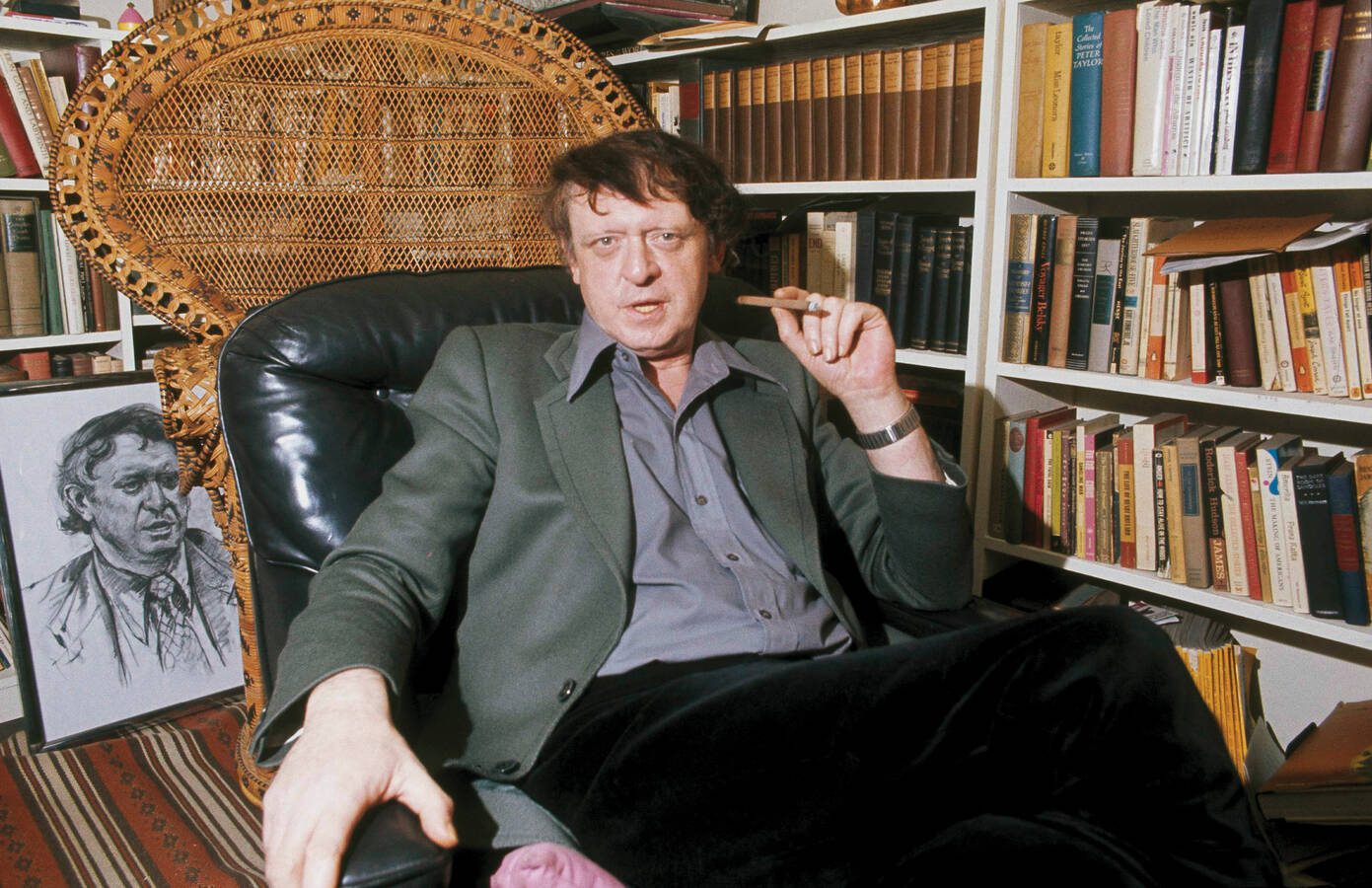
Anthony Burgess returned to England in an unsatisfactory physical condition. Life abroad had undermined his health. Soon, doctors gave Burgess a disappointing diagnosis, a brain tumour. Doctors informed the writer that he had no more than a year left to live. After that, Burgess began to write tirelessly. Fortunately, in a while, it turned out that the doctors had misdiagnosed him.
However, rethinking of life inspired Burgess to write a lot. Over the next 33 years, he published more than 50 books of fiction, hundreds of journalistic articles, reviews and essays. Between 1960 and 1964 alone, Burgess wrote eleven novels. His works are distinguished by surreal imagination and black humour. The writer is rightly considered one of the most gifted stylists and experimenters in English prose.
In addition to his vigorous literary activity, Burgess didn’t abandon another of his passions, writing music. According to the calculations of the researcher Paul Phillips, Burgess has written about 175 compositions. His legacy features both simple melodies and complex works.
The writer once said:
“I wish people would think of me as a musician who writes novels, instead of a novelist who writes music on the side”.
However, it was Burgess’s literary works that stood the test of time.
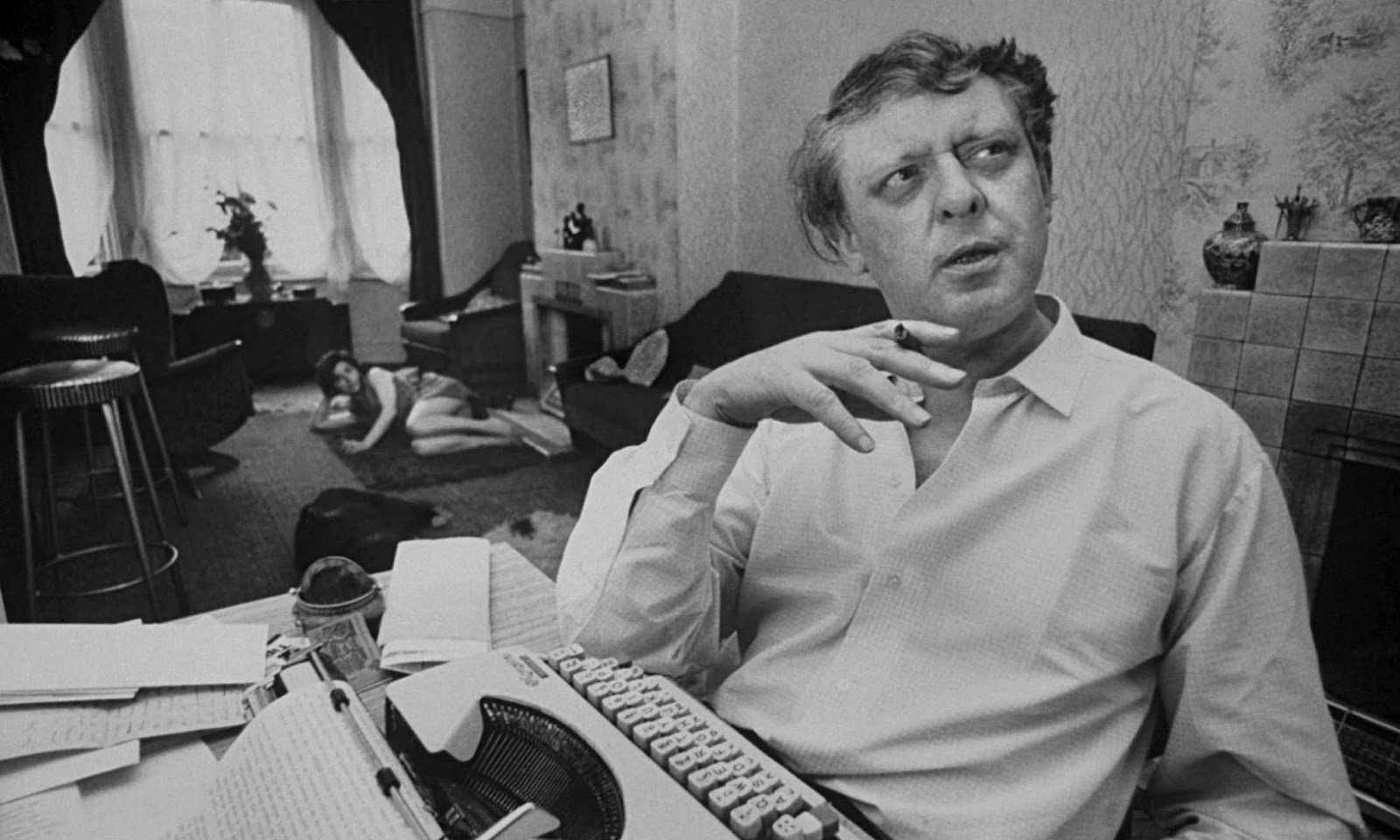
The most famous works
Some of the writer’s novels have gained popularity outside Great Britain. These are Inside Mr. Enderby (1961), M/F (1971), Napoleonic Symphony (1974), Earthly Powers (1980) and others.
However, the novel A Clockwork Orange is considered his most famous work. This science fiction novel was published in 1962. It became especially relevant against the background of the emergence of teenage gangs that committed thefts, hooliganism and other crimes in cities.
The plot of A Clockwork Orange unfolds in a classless fairy-tale society in London. The novel is written in invented teenage slang. The creation of the work was influenced by the author’s trip to the Soviet Union. During his stay in Leningrad in 1961, the writer was inspired by the local subculture, and later, parodied their jargon and manner of dressing in the novel.
The writer also raised the issue of will as a function of the human psyche and a thing that any state machine wants to control. A Clockwork Orange, without any exaggeration, became a world classic. The author claimed that he wrote this work in just three weeks.
His other very famous work is the novel Nothing Like the Sun: A Story of Shakespeare’s Love Life, which was published in 1964. As already mentioned, Burgess researched the works of the playwright William Shakespeare. In the mentioned novel, he presented his version of the world literature classic’s fate. This light, filigree, emotional and somewhat ironic novel tells about the desire of a man to go his own way. It depicts Shakespeare, first of all, as a man who liked success and money, but also longed for love.
Personal life
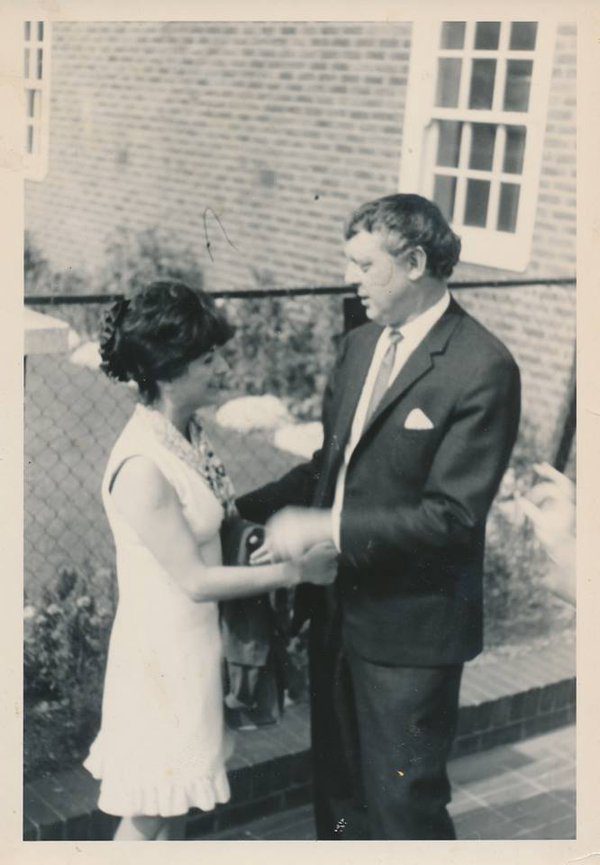
Anthony Burgess was married twice. In 1942, he married “Lynne” Isherwood Jones. In 1944, she was beaten and raped by four deserters from the American army. As a result, Lynne lost her child, fell into a terrible depression and even tried to commit suicide. Later, the woman began to drown her grief in alcohol. She died from cirrhosis of the liver in 1968.
This painful story of his first wife formed one of the key scenes in A Clockwork Orange.
The second wife of the writer was the Italian translator Liana Macellari. Burgess and Macellari started an affair when the writer was still married to his first wife. Macellari soon gave birth to a son, Paolo Andrea. The former partner of the translator, Roy Halliday, was indicated as the father of the boy on the birth certificate. At first, Burgess called the boy his stepson, but later, claimed his parenthood.
Burgess married Liana Macellari after the death of his first wife in 1968. She was his literary agent for a long time.
The couple lived in the USA for several years and then in Malta, Italy and Monaco.
Anthony Burgess died because of lung cancer in London on November 22, 1993. The writer left behind a great literary and musical heritage.