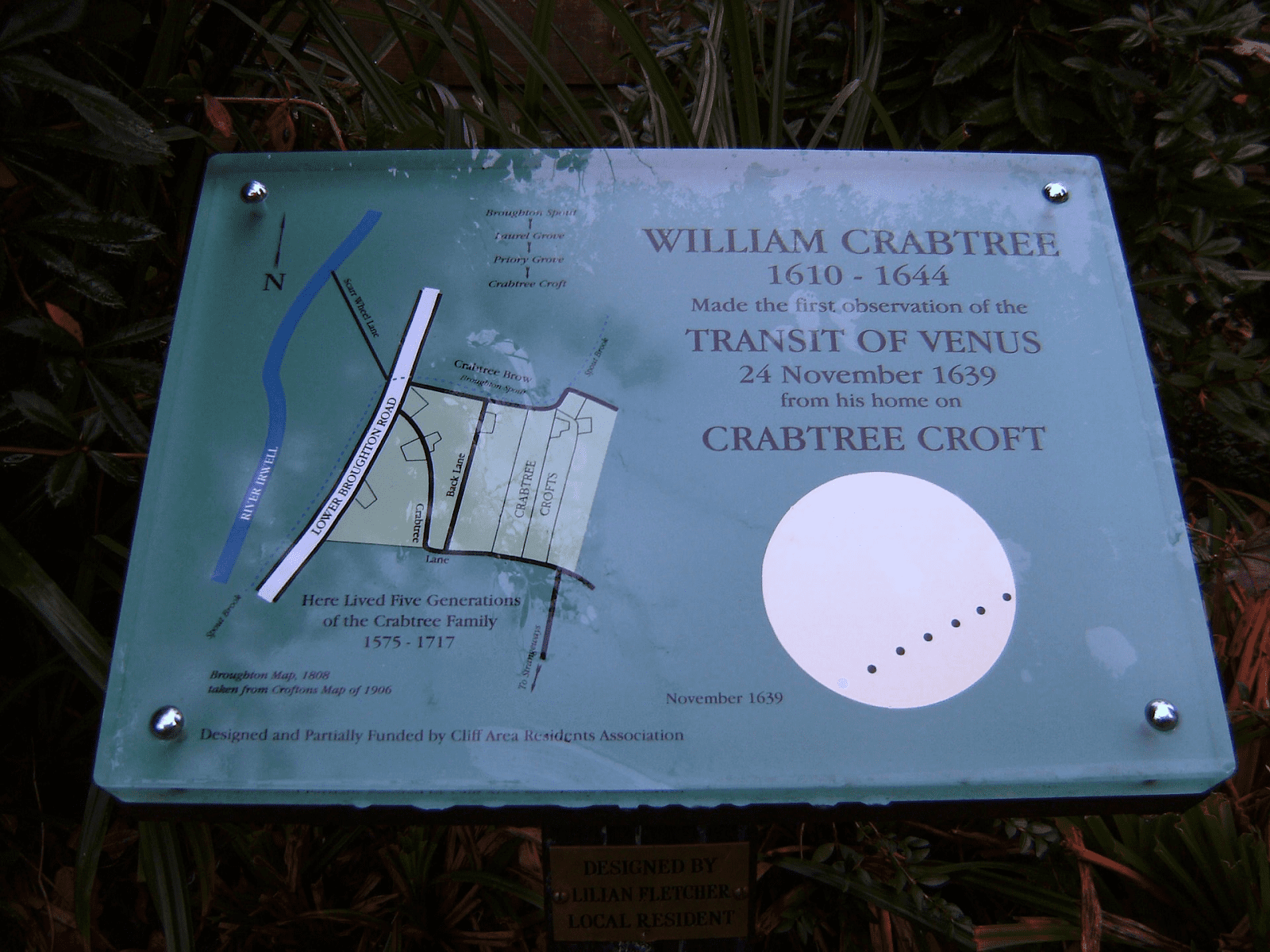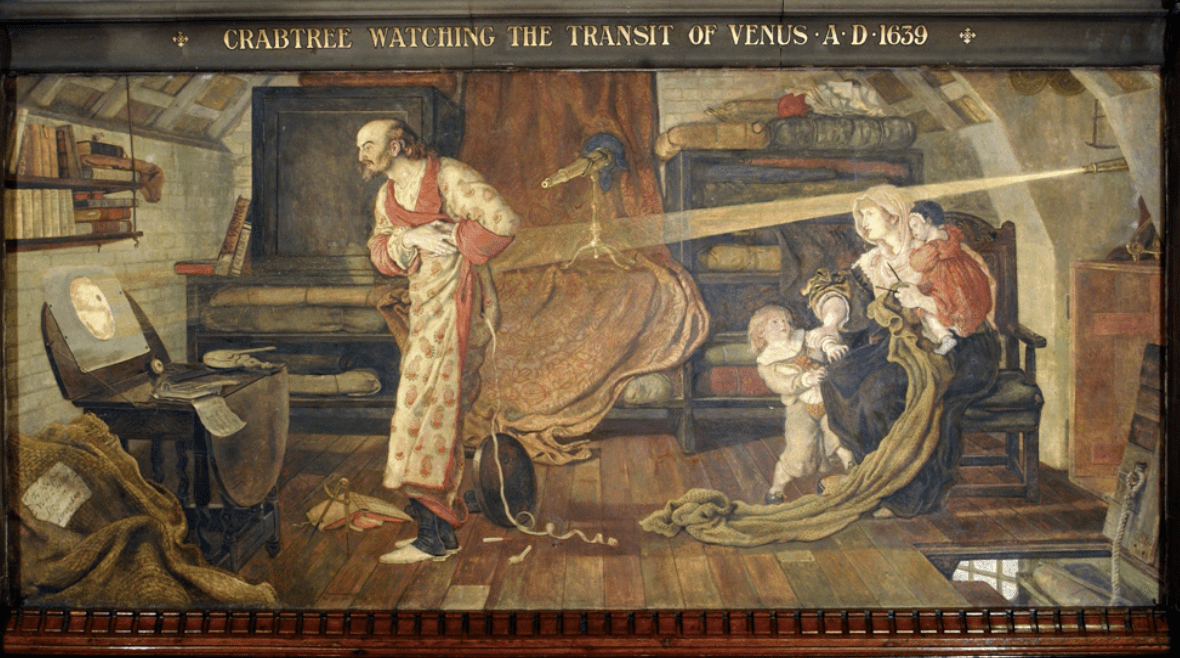

Few modern Manchester residents know the legendary figures of past times, especially from the 17th century. William Crabtree, an astronomer, mathematician and merchant, deserves special attention. He was a true innovator who saw and recorded the first predicted transit of Venus in 1639. It was an incredibly sensational event of that time. What is known about the Manchester astronomer? Learn more at manchester.info.
Life of the 17th-century astronomer
For many centuries, the heavenly bodies of the Sun and the Moon as well as the stars have caused deep admiration of humankind. They were hailed and studied. Thanks to research by early astronomers, the movement of luminaries in the sky became a tool for tracking time, the length of day, night, months and entire years.
Astronomy was also important on the territory of Manchester in the far 17th century. Among those observing the firmament was an astronomer named William Crabtree. He managed to make amazing observations and achieve incredible success in astronomy, which greatly contributed to the further development of this fascinating science.
William was born in a small village of Broughton Spout in 1610. This village was located on the east bank of the River Irwell, not far from the modern The Priory area in Broughton, Salford.
Little is known about William’s early years, life and hobbies, but most likely he was fascinated by the celestial bodies from a young age. When he grew up, he moved to Manchester, where he attended the local grammar school and in his spare time he was interested in astronomy.
After moving to Manchester, William met a rather rich girl whom he married. His wife’s wealth helped him quickly climb the career ladder and gain respect in society. William began working as a textile salesman in Manchester, but he didn’t abandon his passion for astronomy. He devoted all of his free time to observing the firmament. He carefully measured the movement of the planets and even made quite accurate astronomical calculations for that time. What’s more, he managed to rewrite the existing Rudolphine Tables of Planetary Positions with incredible accuracy.
In an era when astronomy was still in its infancy, William devoted all his spare hours to the study of the celestial bodies’ movement, meticulously recording his observations using only rudimentary tools and his inspiration.
Transit of Venus, William’s main observation
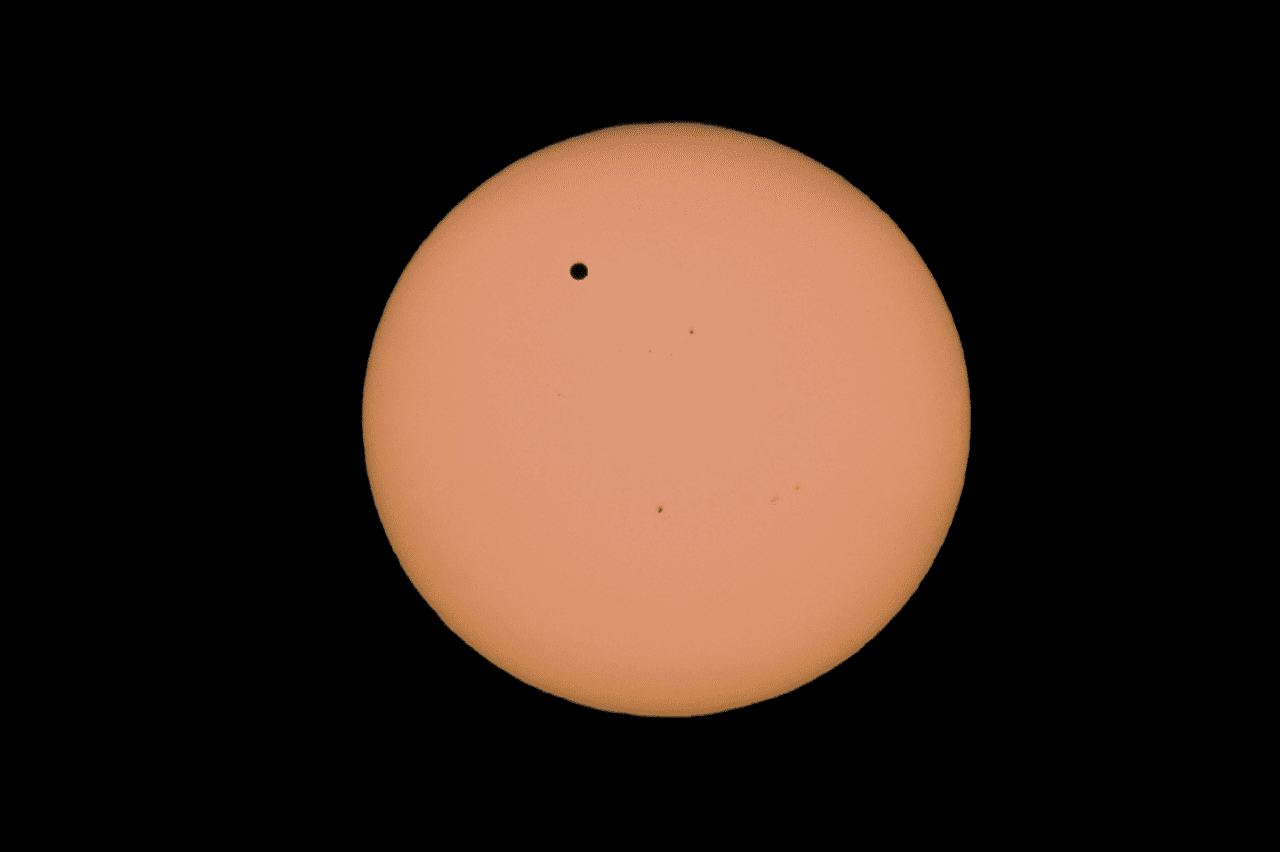
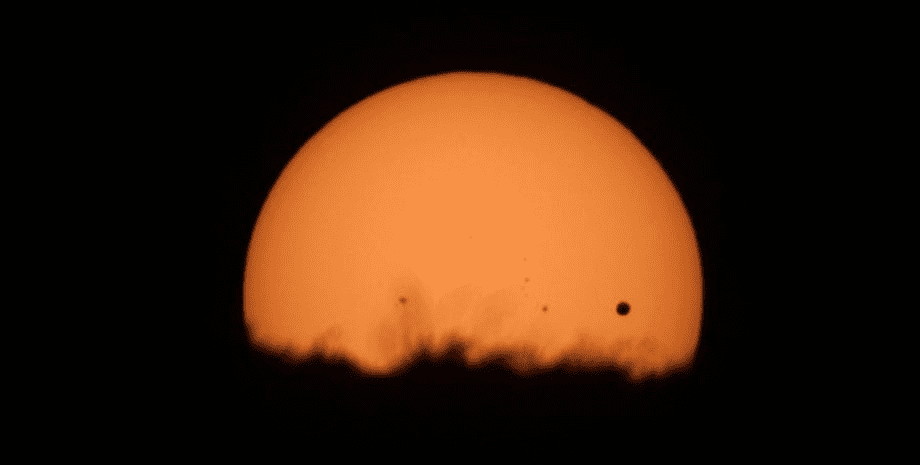
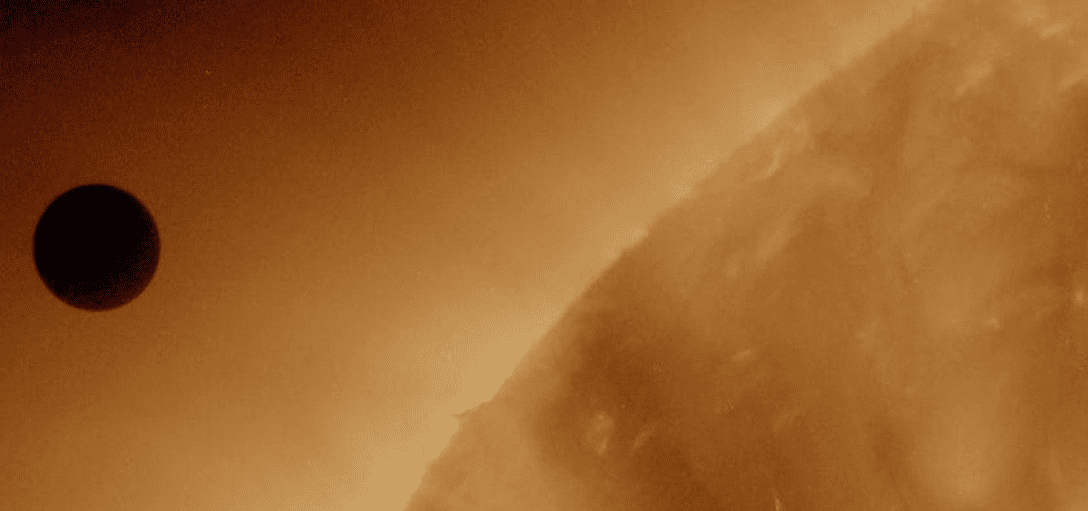
William’s most famous contribution to science was made in 1639 when he observed a rare astronomical event known as the transit of Venus. This phenomenon occurs when the planet Venus passes directly between the Earth and the Sun, appearing as a small black dot on the Sun’s disk. Armed with a telescope of his own design, William meticulously tracked the way of Venus across the face of the Sun, recording precise measurements of its positions and duration.
The transit of Venus or the passage of Venus through the disk of the Sun is a unique astronomical phenomenon when the planet Venus appears between the Earth and the Sun during its orbital motion. William’s observations of the transit of Venus provided important information that allowed astronomers to calculate the size of the solar system and refine their understanding of planetary motion. His meticulous records and attention to detail laid the foundation for future generations of astronomers to explore the mysteries of space. For example, it was possible to predict the following transits. The next was in 1761, as well as in 1769, 1874 and 1882. In the 21st century, there were transits in 2004 and 2012. Scientists managed to calculate the passage of Venus through the disk of the Sun until the year 6006.
Cooperation with Jeremiah Horrocks
Over the years, William corresponded with Jeremiah Horrocks, another famous 17th-century English astronomer who lived in Liverpool, Lancashire.
Both of them were incredibly passionate about astronomy. They not only established a friendship but also managed to form a real astronomical community. They shared their observations, valuable notes and experiences.
The group of astronomers that was formed thanks to William and Jeremy in the north of Great Britain was called Nos Keplari. The reason was that all the members of this community were followers and fans of the famous astronomer Johannes Kepler. They managed to form one of the first astronomical communities in the UK and become one of the first to get a realistic idea of the size of the solar system.
In the 17th century, William and Jeremiah were probably the only ones who observed, recorded, analysed and planned the passage of Venus across the Sun. Both astronomers played a key role in the development of science. In particular, William’s calculations were incredibly important, as they allowed his colleague, the astronomer Jeremiah, to estimate the potential size of Venus as well as the distance from Earth to the most important celestial body, the Sun.
Their long-term cooperation entered history on December 4, 1639, when they witnessed the transit of Venus. Their joint analysis and observations provided valuable data that revolutionised our understanding of planetary orbits and the scale of the Solar System.
Interesting facts from the astronomer’s life
We still don’t know whether William and Jeremiah ever met in person. All that is known is that they corresponded regularly, sharing their notes and charts. It is also known that William and Jeremiah were supposed to meet in 1641, but unfortunately, Jeremiah’s fellow astronomer died the day before the meeting.
William died three years later, in 1644. He was buried near the Manchester Collegiate Church. At the time of his death, the famous 17th-century Manchester astronomer was only 34 years old. Unfortunately, the cause of death is unknown.
Perhaps, if not for a sudden death at such a young age, William would have managed to make more than one revolutionary astronomical discovery. Nevertheless, he entered the history of the city. His astronomical records are incredibly valuable and are considered the birth of modern astronomy in Great Britain. The research of William and Jeremiah as well as their colleagues from the Nos Keplari astronomical community laid the foundation for Astronomer Royal’s work.
Despite his significant contribution to astronomy, William remained a very modest and simple person throughout his life. Unlike many of his contemporaries and colleagues who sought fame and fortune via their scientific activities, William was always driven by an exceptional passion and love for the stars. He managed to achieve such fame and success in astronomy only thanks to his sincere interest and not the desire to get rich.
In the 21st century, William Crabtree may not be as widely known as other Manchester astronomers and innovators, but his contribution to the sphere is no less significant. His careful observations and ground-breaking discoveries laid the foundation for centuries of astronomical research, unravelling the deepest mysteries of the universe.