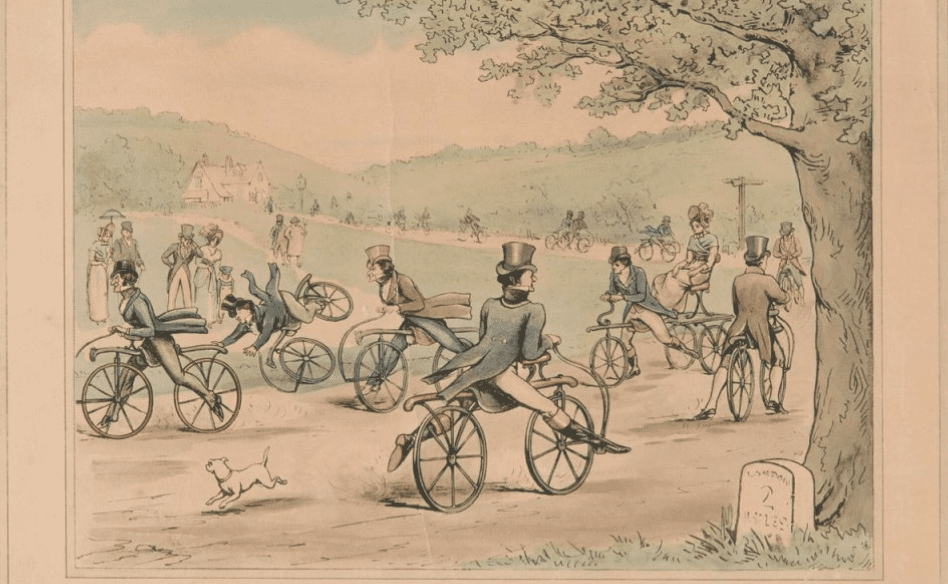

Manchester is renowned as a “city of football”, home to two legendary clubs, iconic stadiums, and deep-rooted fan traditions. But if you look closer, you’ll find the city’s sporting soul is much broader. In recent decades, Manchester has become not just a football arena but a true capital of British cycling. Read more on imanchester.info.
The story begins back when the bicycle was primarily an affordable mode of transport for workers. In the 19th and 20th centuries, thousands of the city’s residents used them to get to factories and workshops. But in the 21st century, the bicycle in Manchester has transcended its purely utilitarian function: it has become part of the city’s identity.
The city is home to one of the world’s best velodromes, which also serves as the national base for British Cycling, where Olympic champions train. It is Manchester that has given Great Britain the stars who have brought fame to the country on the international stage.
Beyond professional sports, the city is actively developing a cycling culture for everyone: building new cycle lanes, organising city marathons, mass rides, and festivals. For residents, the bicycle is no longer just a mode of transport but a choice in favour of ecology, health, and a modern way of life.
Manchester can be called not only the football capital but also a city where the bicycle has become a symbol of moving forward, community strength, and a sustainable future.
The Bicycle in Industrial Manchester
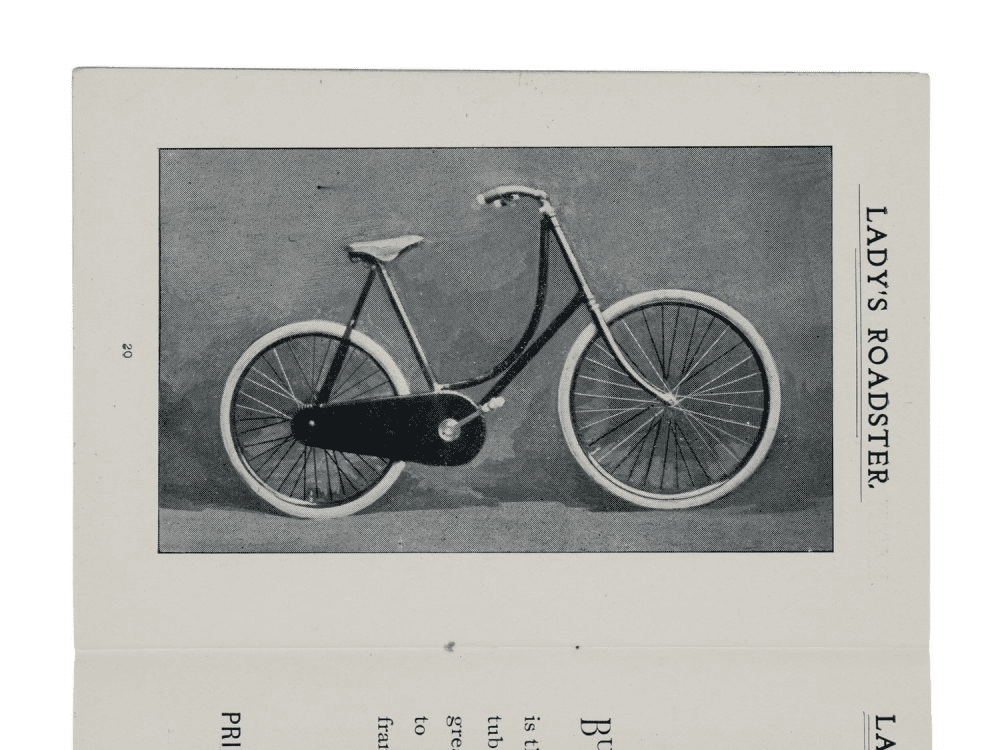
In the 19th and early 20th centuries, the streets of Manchester were filled with carts, trams, and endless streams of factory workers hurrying to their shifts. The bicycle was present, but it was rarely seen as anything more than a cheap form of transport. With the rise of the motor car after the Second World War, bicycles all but disappeared from city life.
The turning point came in the late 20th century. As air pollution worsened and traffic jams clogged the roads, both the authorities and the public began to look at cycling in a new light. Health campaigns promoted it as a way to combat obesity and improve well-being, while environmental movements championed it as a greener mode of transport. Slowly but surely, the bicycle began to make a comeback—not as a relic of the past, but as a new lifestyle and a sport.
The Centre of Cycling
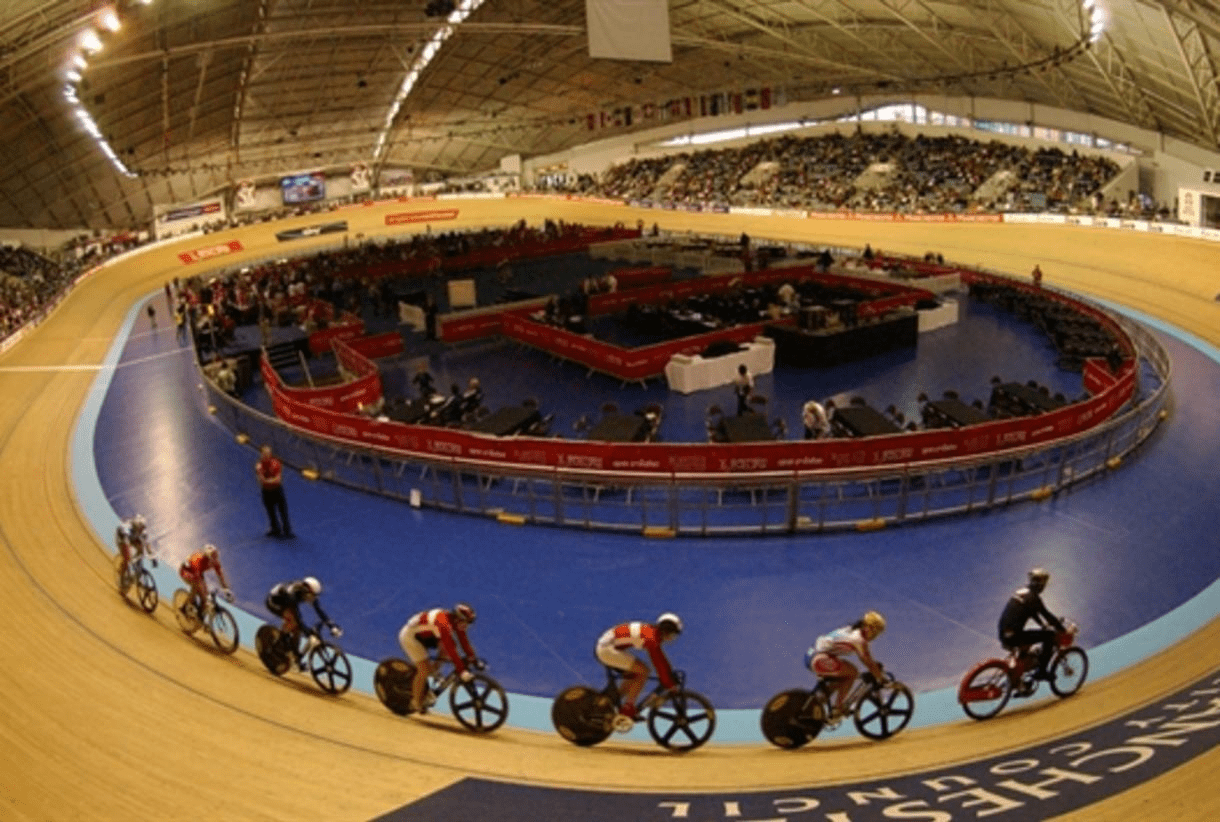
Since the end of the 20th century, cycling has developed rapidly, and it continues to grow in the 21st. Over the years, a place emerged that truly symbolises Manchester’s cycling revolution: the National Cycling Centre. Opened in 1994, the velodrome quickly gained widespread popularity. First and foremost, it is the home base for the nation’s elite cyclists.
It’s worth noting that the velodrome didn’t just cater to elite athletes—it created an entire culture. Children and teenagers can watch professionals train and even try out the track for themselves. Since then, Manchester has become the headquarters of British Cycling. Hosting international championships has earned Manchester global recognition, proving that cycling can thrive just as much as football. The Manchester Velodrome has long been a symbol of British cycling. Over 15 world records have been set on its track, and since 2002, it has been called a true catalyst for the success of the Great Britain Cycling Team. In the 2020s, the arena is rightly considered one of the busiest in the world—a place where both professionals and amateurs train, with every ride adding to the city’s sporting glory.
Furthermore, at the centre of the velodrome is a spacious 40×38 metre area with a wooden floor. It’s used not only for cycling but also for other activities: you can play badminton (up to 10 courts at once), basketball, futsal, or korfball. It is effectively the sporting heart of the complex, always buzzing with life—from school training sessions to major competitions.
In 2011, Manchester took another step forward by opening the National Indoor BMX Arena. A joint project between the City Council, British Cycling, and New East Manchester, it cost £24 million and became a unique facility in the UK—the country’s only permanent indoor BMX track.
The 10,000 m² building was designed by Ellis Williams Architects and built by Sir Robert McAlpine. The complex includes seating for 2,000 spectators, a state-of-the-art BMX zone, and the headquarters of British Cycling. It hosts international tournaments, and young riders take their first steps towards the big leagues here.
For fans of extreme riding, 12 kilometres of mountain bike trails of varying difficulty—from simple to professional—have been laid out in the green space of Clayton Vale since 2013. This place has become a real magnet for mountain bikers, as everyone can choose a route that suits their ability.
The area includes a training zone with a pump track and technical trails where beginner riders can hone their skills. All routes start from the National Cycling Centre, turning it into a focal point not only for professionals but for anyone who simply loves to ride.
The Manchester Cycling Centre is more than just an arena. It is a true metropolis for cyclists, where sport, culture, and urban development intertwine into a single whole.
Cycling for All: Municipal Programmes
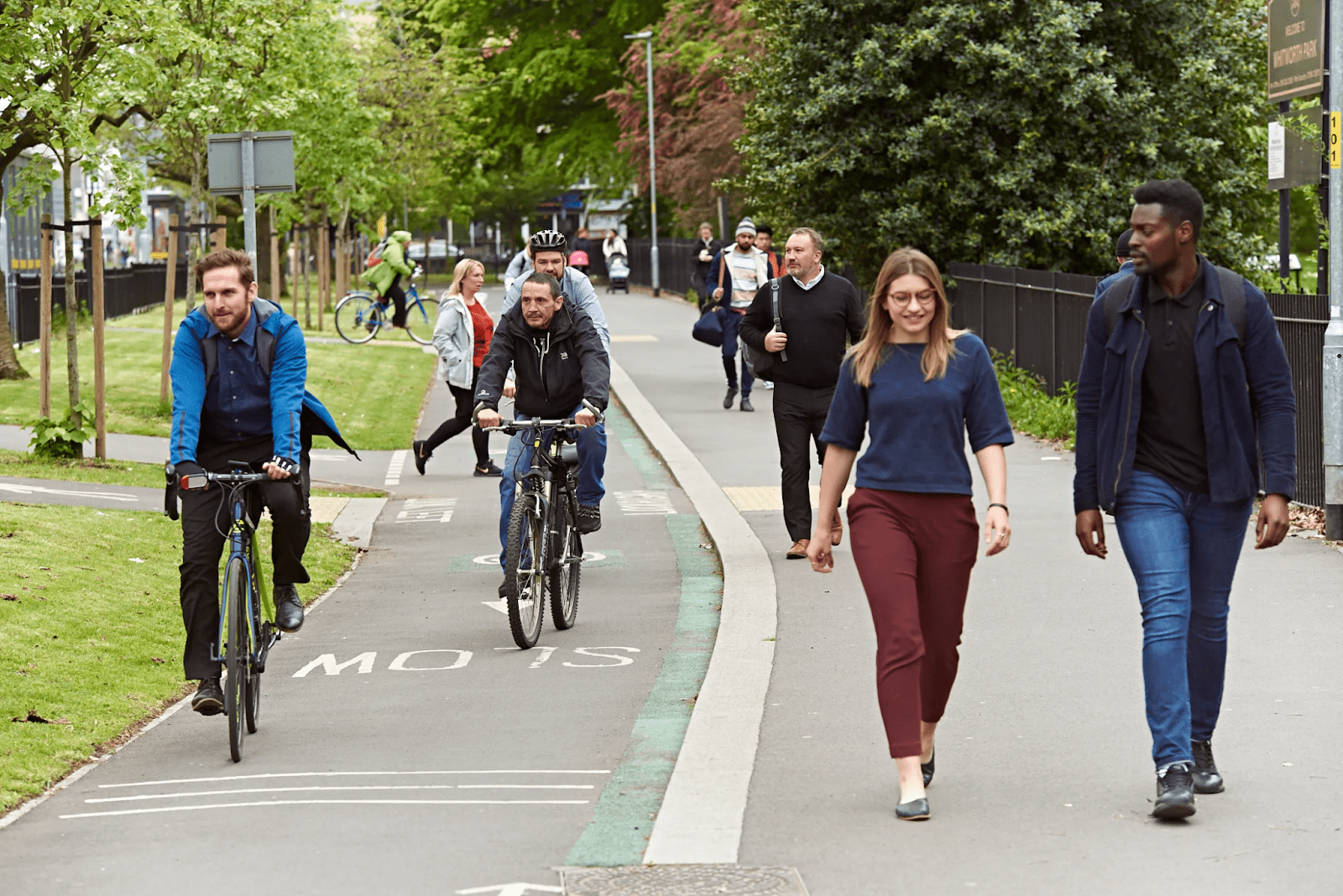
Olympic sporting success and a powerful training base for athletes are just one side of the coin. The other is everyday life. Manchester’s government not only supports the development of sport at local and national levels but also continually invests in cycle lanes, parking, and rental schemes to encourage people to switch from cars to bikes for a more sustainable future. The “Bee Network”, an ambitious plan to create the UK’s largest network of cycling and walking routes, is changing how Mancunians get around the city.
For families, parks like Heaton Park and the Fallowfield Loop offer safe and picturesque routes away from traffic. For commuters, the bicycle is increasingly seen as a faster, cheaper, and healthier way to navigate the bustling city. Local groups organise rides, maintenance workshops, and even cycling festivals, turning cycling from a mere pastime into a way of life.
More Than Just Sport and Fun
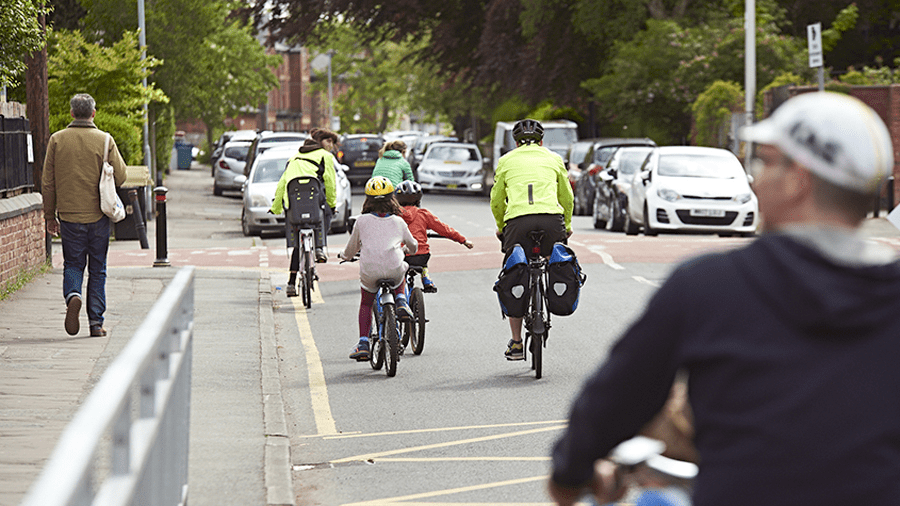
In Manchester, the bicycle has long been more than just a way to get to work or the shops. It has become part of the fabric of city life. The streets are increasingly filled with people on two wheels, and alongside them, cosy cafés and bike shops are appearing, where people drop in not just for a coffee or a new tyre, but to chat, meet friends, or plan their next ride.
Major events, like the Tour of Britain, attract thousands of spectators and generate significant income for the city. But most importantly, they inspire ordinary residents: many people take up cycling more often after witnessing such events.
In the 2020s, Manchester has set itself the ambitious goal of becoming one of the most cycle-friendly cities in Europe. To achieve this, the “Bee Network” is constantly being expanded—a system of routes that will connect different districts and make travel safe. Over 2,800 kilometres of cycle paths are planned, meaning that cycling will become accessible to virtually every resident.
And importantly, this isn’t just a trend. Manchester has always been a city of movement and energy. It once changed the world with its industry, and now it is betting on its people, sport, and sustainable development. Here, the bicycle has become a symbol of freedom, new opportunities, and the future of the city.