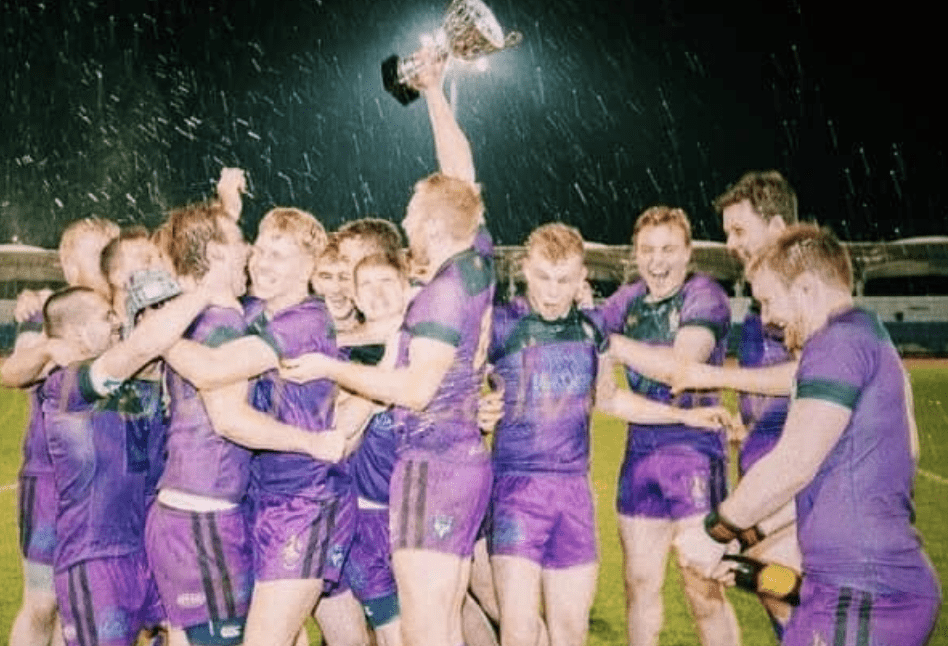

Manchester is known worldwide for its football and legendary football clubs. Yet, few know that Manchester is also a city of rugby. This sport emerged in the late 19th century, as industrial workers sought new ways to entertain themselves after long days in factories and mills. Matches were held on dirt pitches, often alongside cricket grounds, and attracted considerable crowds. Over time, rugby became a unifying force in society, bringing together different classes in an era when the city was divided between the working and wealthy classes. While rugby is not as popular in Manchester as football and its two legendary clubs, Manchester City and Manchester United, it still holds an important place in the city’s sporting history. Read on to learn about the history of rugby’s development in Manchester at imanchester.info.
What is Rugby and Where Did It Originate?
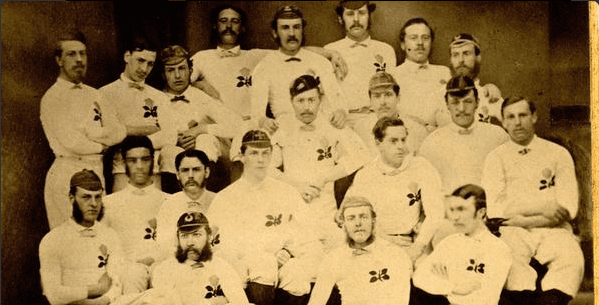
Rugby is a dynamic team sport played with an oval-shaped ball, characterised by physical contests and unique rules. The game originated in 19th-century England, specifically in the town of Rugby in Warwickshire. According to legend, in 1823, during a game of football at Rugby School, a pupil named William Webb Ellis picked up the ball and ran with it towards the opposition’s goal, breaking the rules of the time. This moment is considered the symbolic birth of rugby.
The game subsequently began to develop. By the mid-19th century, various schools and universities across Great Britain were playing their own variations of football, some with hands and some without. It wasn’t long before the first rules for playing with hands were written down, and the name “Rugby football” became established. In 1871, the Rugby Football Union was formed, which codified the rules and organised the first official matches. From there, rugby spread rapidly to other cities in Great Britain and around the world, including Scotland, Ireland, Wales, France, Australia, New Zealand, and South Africa.
Moreover, it’s worth noting that various offshoots—different versions of the game—emerged over time:
- Rugby Union – the classic form with 15 players per team.
- Rugby League – a simplified and more dynamic version with 13 players.
- Rugby Sevens – a fast-paced game with 7 players, which became an Olympic sport in 2016.
The Roots of Rugby in an Industrial City
Although football has always dominated Manchester, rugby quietly took root in the city. Interest in the new sport grew in the mid-19th century as citizens looked for a fitting way to unwind after a day’s work. As a result, 1860 saw the formation of the Manchester Football Club—now the Manchester Rugby Club—one of the oldest rugby clubs not just in the city or Great Britain, but in the world. It was on its pitch that the first kicks were made, the rules were shaped, and the culture of the game was formed.
Several rugby clubs founded in Manchester went on to define the sport at a national level. For example, Sale Sharks, established in 1861, grew into one of the leading rugby union teams in Great Britain. Their history is inextricably linked with the city’s industrial heritage: the first players were often engineers, clerks, or factory workers, and the club’s survival depended on the support of local residents and volunteer efforts. Matches were not just sporting contests but also significant social events; local pubs were always crowded before and after games. Over time, other clubs emerged, representing schools, universities, and districts, further embedding rugby into Manchester’s sporting DNA.
The Cultural Impact of Rugby
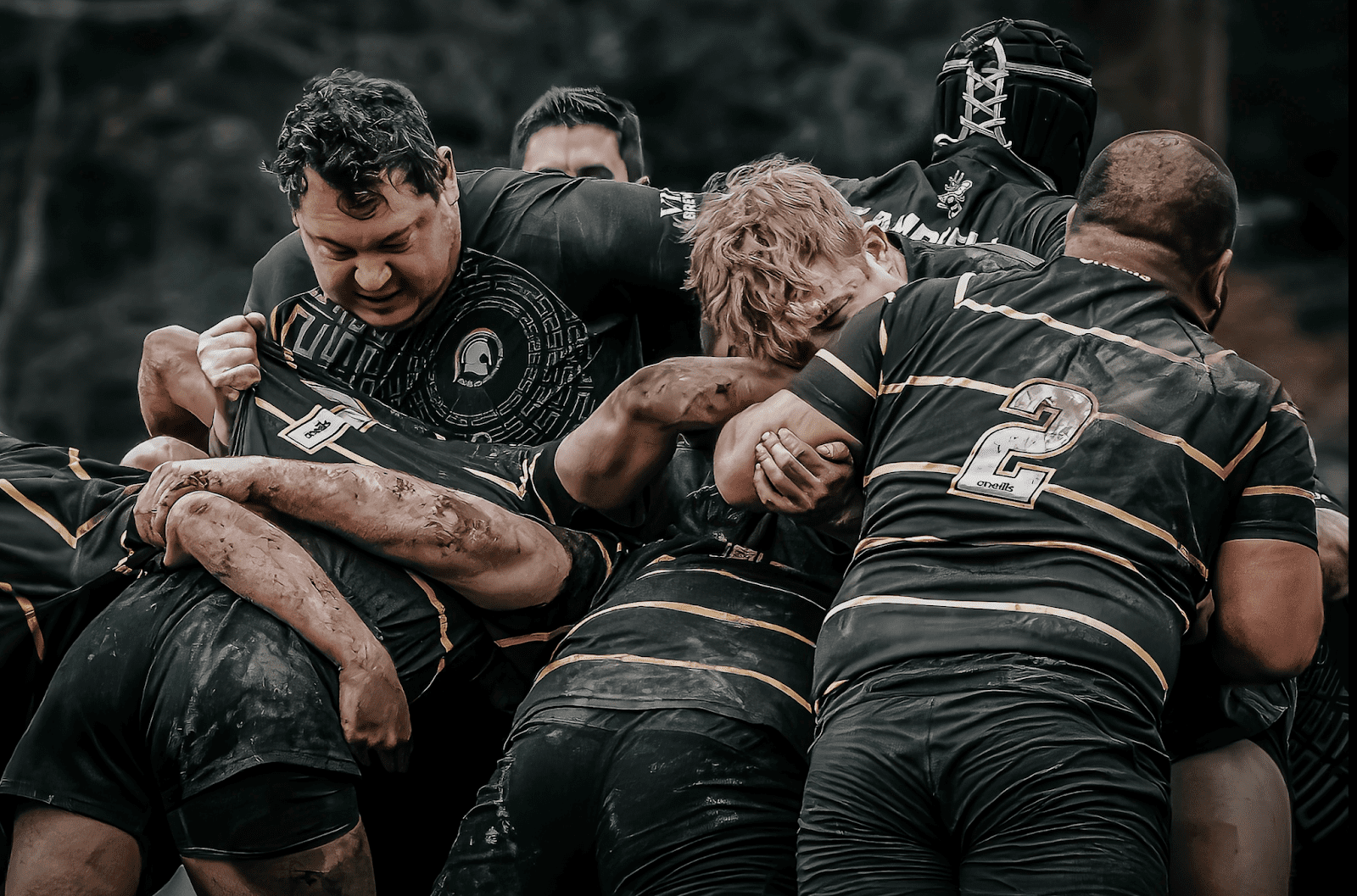
Rugby in Manchester has always had a unique culture. Unlike football, which often divides fans into “Reds” and “Blues”, rugby supporters are united by a shared respect for discipline, sportsmanship, and the traditions of the game. The sport promoted values of teamwork that mirrored the city’s industrial era. It also offered a completely different kind of spectacle. Off the pitch, rugby fostered community engagement through youth programmes, charity matches, and school competitions, helping the game extend beyond the teams to become a part of city life.
Women’s Rugby
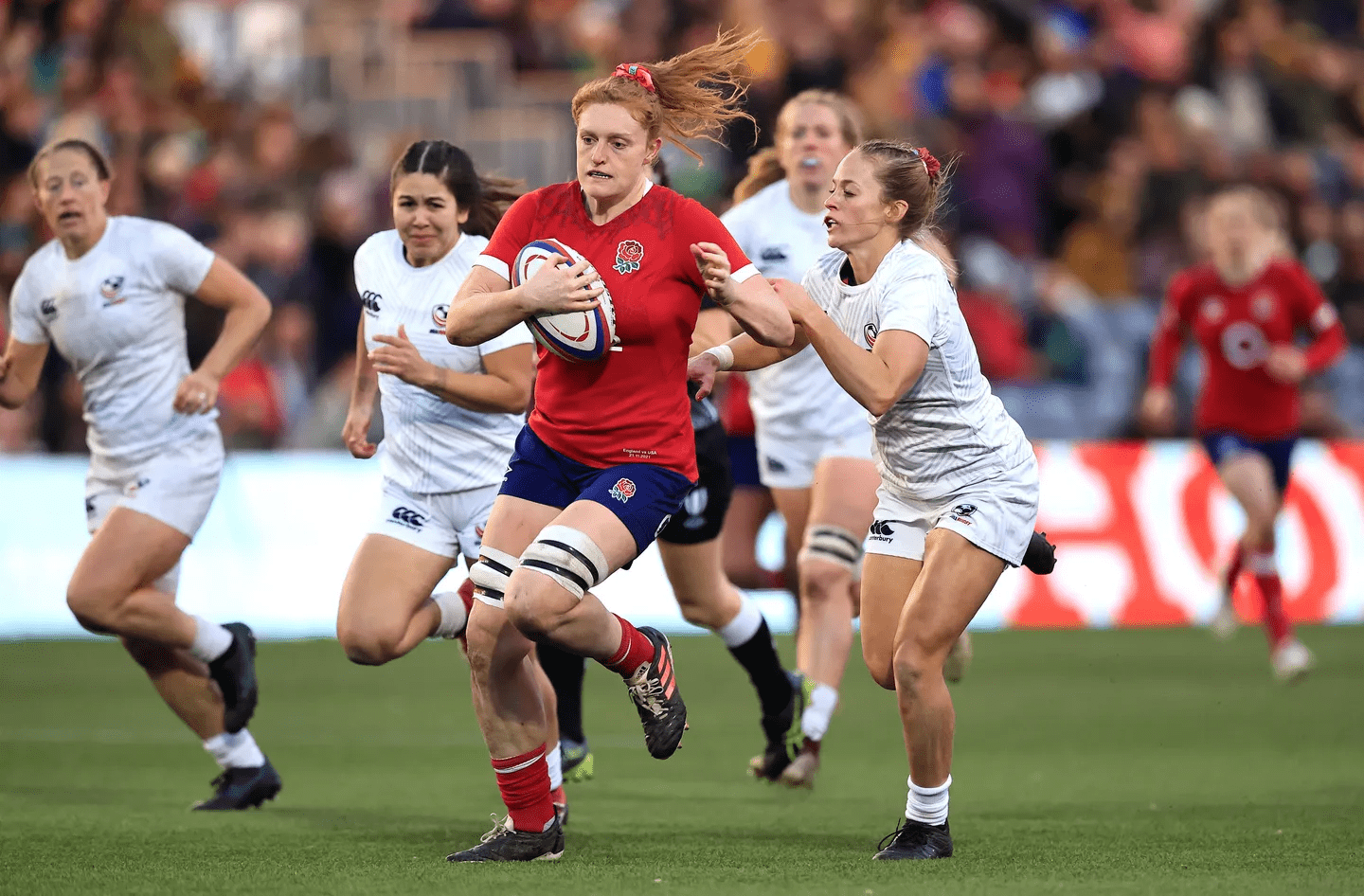
The Manchester Women’s Rugby Club was formed in 1991—the same year the first-ever Women’s Rugby World Cup was held. It was a time of new opportunities in British sport, and the Manchester team quickly made a name for itself.
With each season, the club grew stronger. Step by step, it climbed the leagues, establishing itself among the leaders and reaching the Championship North 2—the third tier in the RFU English Rugby Union structure. This journey proved that women’s rugby in Manchester was not a passing trend but a serious endeavour with sustainable development.
A special focus is placed on training new players. The club runs a comprehensive women’s academy with programmes for girls under 13, 15, and 18, as well as for adult women looking to try the sport. This approach allows the club to nurture new generations of female rugby players and maintain continuity within the team.
In the 2020s, the club’s competitive squads are represented by two main teams—the Manchester Rubies and Manchester Women. They compete regularly in championships, shaping the face of women’s rugby in Manchester and proving that the sport is not just about strength, but also about team spirit, discipline, and the will to win.
Rugby in the 21st Century
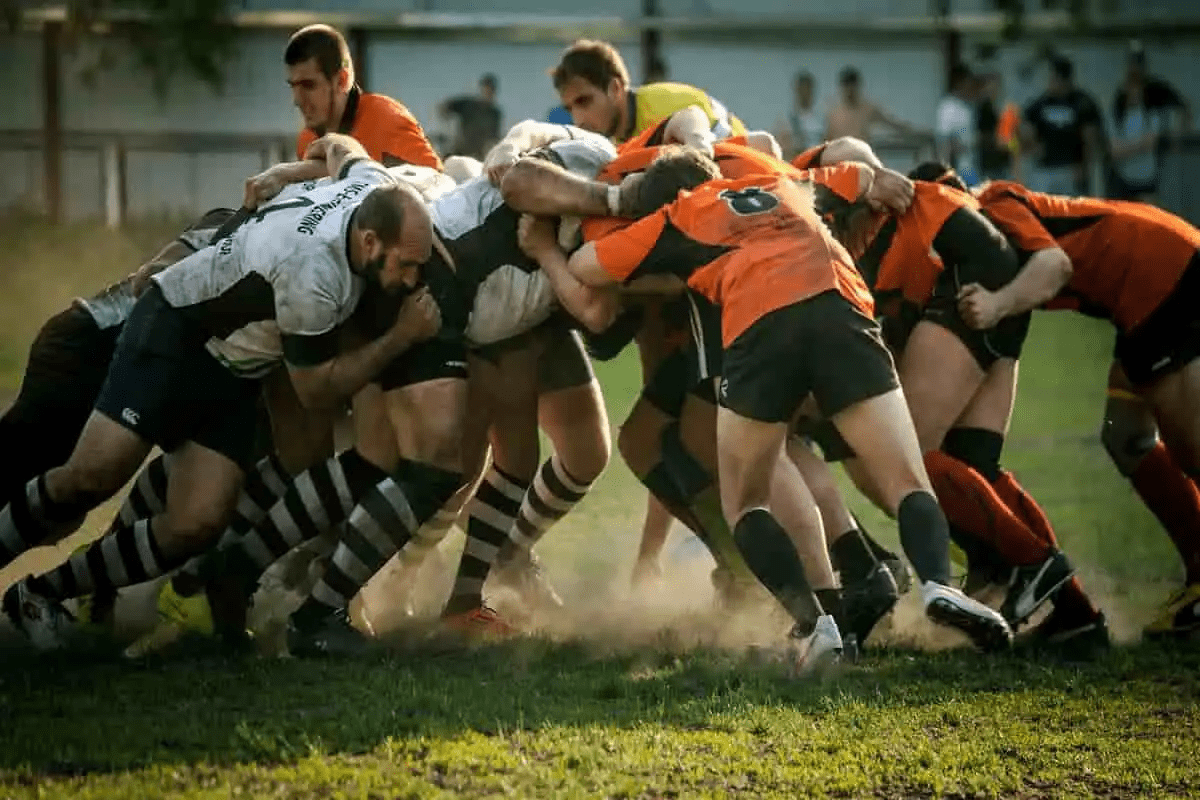
Just as in the 19th century, football dominates Manchester in the 21st century, but rugby continues to hold a special place. In the 2020s, Manchester’s rugby clubs benefit from excellent coaching, modern infrastructure, and active media coverage, which helps to increase the game’s popularity. Sale Sharks play in the Premiership and draw fans from all over the North West of England, while smaller clubs provide opportunities for ordinary people to try rugby and showcase their talents.
Furthermore, rugby in the city is linked to social projects: the sport is used to teach discipline, teamwork, and health awareness. Major tournaments and international matches held in Manchester not only attract tourists but also benefit the local economy. Therefore, rugby in Manchester is not a competitor to football but an important part of the city’s sporting life and its unique identity.
Although rugby in Manchester does not enjoy the global fame of Manchester United or Manchester City, the sport is an integral part of the city’s sporting culture. It reflects its multifaceted character and depth.
For Manchester rugby, values such as resilience, team spirit, and a sense of community are paramount. These qualities shape not only the athletes but also generations of supporters, who learn to support one another and take pride in their team.
Hundreds of young players pass through academies and club sections, where they learn discipline, technical skills, and tactical thinking. The adult teams carry on the club’s traditions, setting an example of dedication to the sport and pride in their city.
Rugby in Manchester is more than just a game. It is a social and cultural environment that builds character, strengthens the local community, and preserves sporting traditions, making the city not only a football hub but also a place where a diversity of sports is valued.