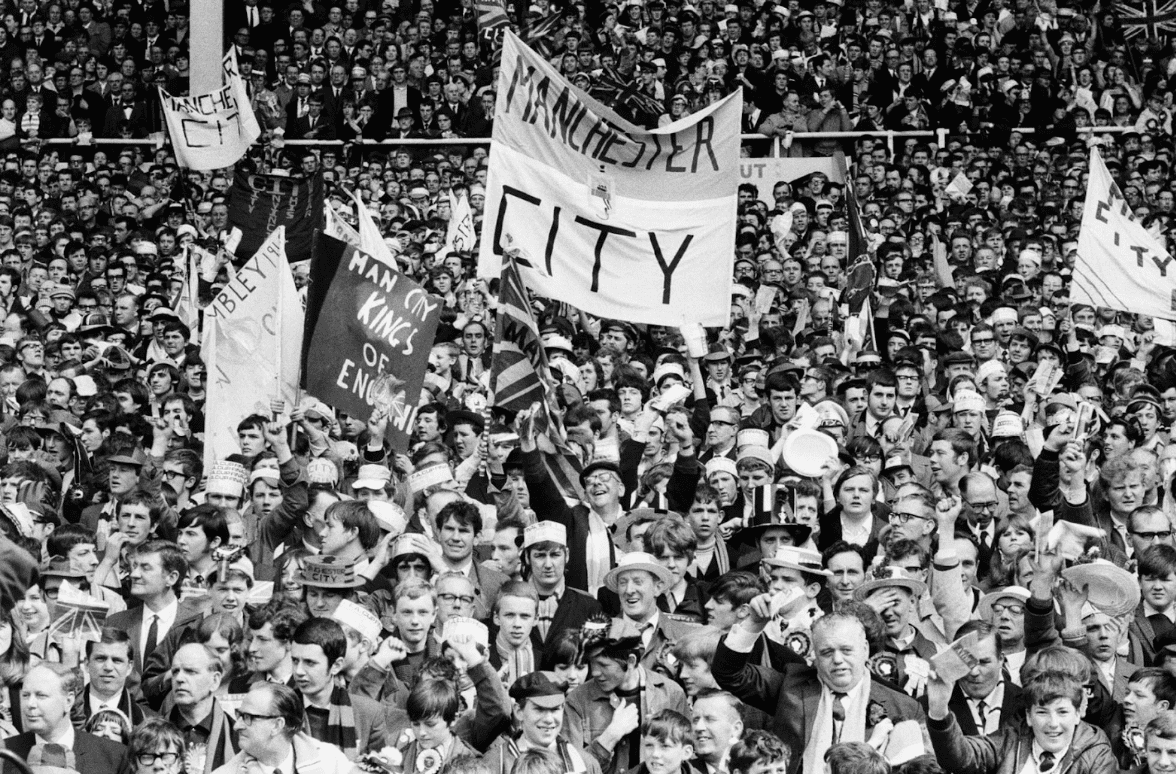

In Manchester, football has always been more than just a game. The city’s fan culture emerged almost as soon as its football clubs were founded. Manchester City, for instance, traces its history back to 1880, when a team was formed around St. Mark’s Church in West Gorton, initially created to unite the local community. In the era of industrial Manchester, working-class districts desperately needed a common symbol and a way to escape the hardships of daily life, and football perfectly filled that role. With this new game came new fans. Find out more at imanchester.info.
Football proved to be a symbolic game, reflecting the spirit of the city – an industrial giant brimming with ambition and energy. By the early 20th century, Manchester City had cultivated a base of devoted supporters for whom attending a match had become part of the city’s culture. Their passion and loyalty to the team have endured through decades of highs and lows, making the club an inseparable part of Manchester. In recent years, the number of Manchester City fans in the UK alone has reached 886,000, with a global following of over 4 million.
Unwavering Support
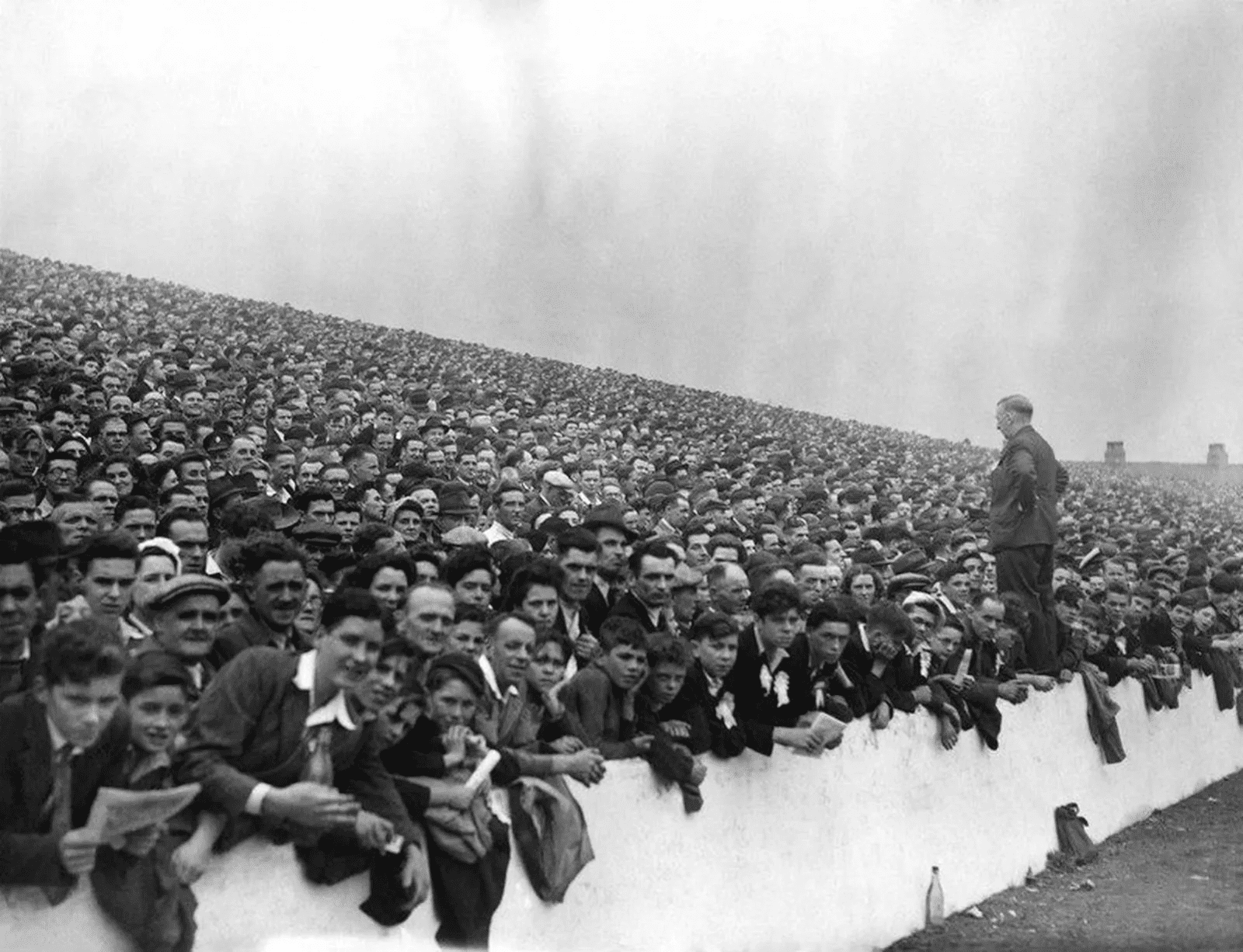
Manchester City Football Club has always been distinguished by the special support of its fans. Long before its major triumphs, the team attracted an incredible following and enjoyed immense popularity among the city’s residents.
After the move to the Etihad Stadium, matchday attendance consistently ranked among the best in the United Kingdom, with average figures often exceeding 40,000 spectators. This level of interest placed the club among the top six for attendance, cementing Manchester City’s status as one of the most popular clubs in the country.
Remarkably, even during the most difficult times in the late 1990s, when the team was relegated from the top flight twice and briefly found itself in the third tier of English football, the fanbase did not diminish. The average attendance at Maine Road held steady at around 30,000 – several times higher than the league average of about 8,000. This fact vividly demonstrates the unwavering loyalty and dedication of the supporters.
By the mid-2010s, an era of new successes, the club’s position was further strengthened. In the 2014/15 season, Manchester City finished third in the Premier League and had the fourth-highest average attendance in the country. Only the giants – Manchester United, Arsenal, and Newcastle – drew larger crowds.
Thus, the phenomenon of Manchester City is not just about sporting achievements but also about a long-standing, powerful fanbase that has stood by the club through every chapter of its history.
What Makes Manchester City Fans Stand Out?
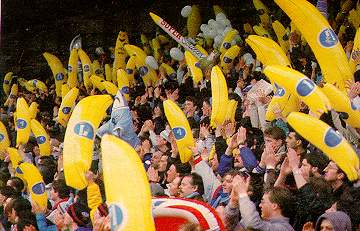
Manchester City fans have always known how to stand out. In the late 1980s, their trademark became yellow inflatable bananas, which first appeared at cup matches and quickly became a symbol of the club’s fan culture.
The reason for the bananas was a play on the name of striker Imre Varadi. Fans jokingly called him “Imre Banana” and then began bringing inflatable bananas to the stands. Soon, this unusual accessory spread throughout the UK, becoming a part of football folklore.
In the 1988/89 season, the stands at Manchester City games featured not only bananas but a whole parade of inflatables: crocodiles, sharks, penguins, and even a six-foot Godzilla battling Frankenstein before the crowd. These inflatable “performances” became legendary in the late 1980s and showcased the fans’ unique humour and creativity.
By the early 1990s, the trend for inflatables gradually faded, but the bananas remained a part of the club’s identity. From time to time, they make a comeback at special matches. For example, yellow bananas appeared in the stands during the 2009 UEFA Cup quarter-final against Hamburg, the 2016 League Cup semi-final against Everton, and even the 2023 Champions League final against Inter.
For City fans, the banana has become more than just a joke. It is a vibrant reminder that the club’s supporters have always known how to create a festive atmosphere – even in the tough years when the team was far from the pinnacle of football.
The Poznań: A Fan Tradition
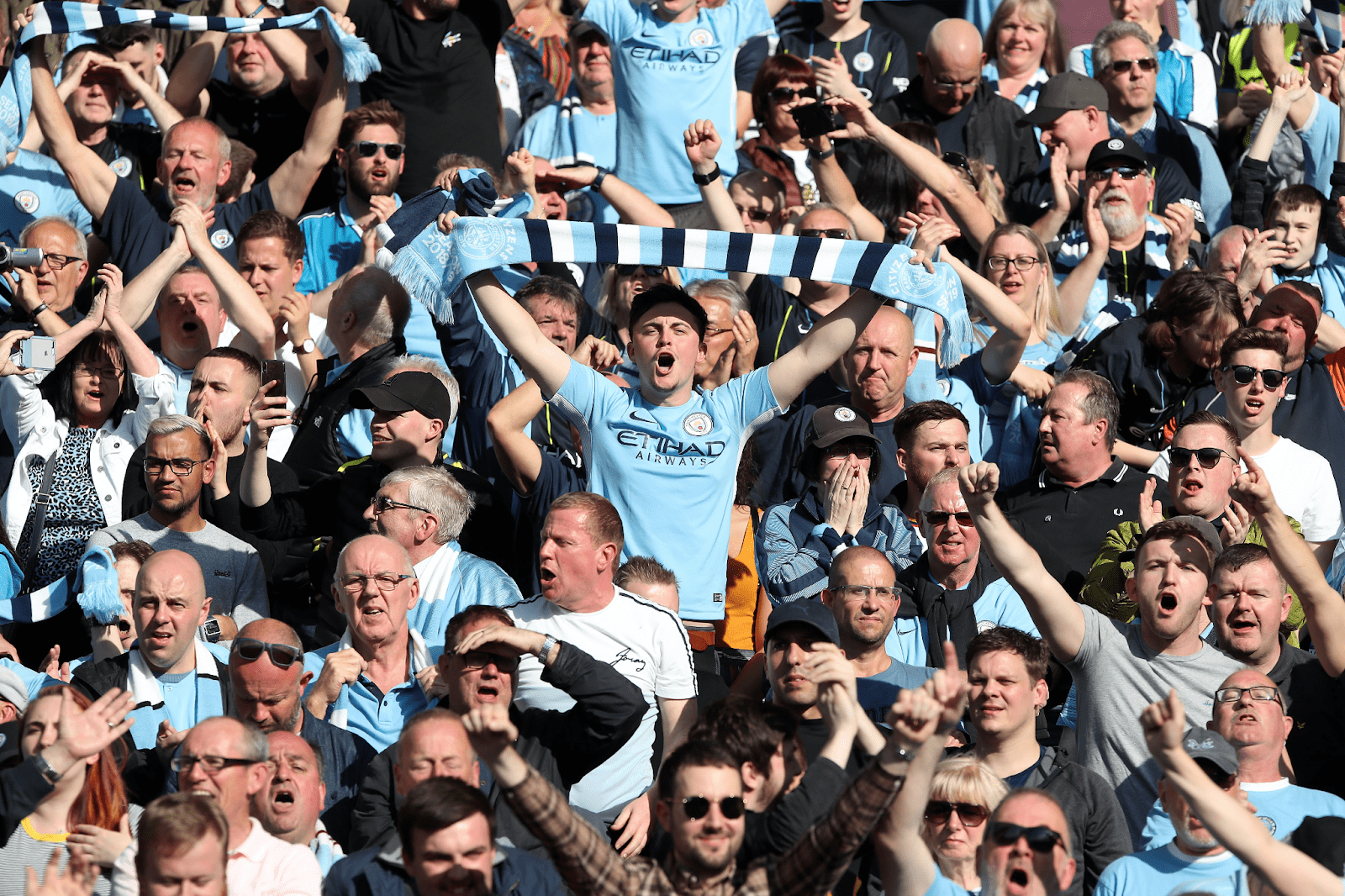
One of the most striking traditions of Manchester City fans is the famous celebration known as “The Poznań.” Its story began in 2010 when the fans encountered the Polish club Lech Poznań in the Europa League. It was then that the travelling Polish fans turned their backs to the pitch, linked arms, and began to jump in unison. The effect was so impressive that it instantly gained popularity among the English supporters.
Over time, “The Poznań” was adopted by other Premier League clubs. However, it has remained a true symbol for the fans of Manchester City, who perform it during their most emotional and significant matches.
“The Poznań” was particularly prominent during the FA Cup semi-final against Manchester United. As the announcer read out the opposition’s line-up, the entire Manchester City end turned as one and performed the dance, showing their disdain for their city rivals. After securing the victory, the fans, players, and even the coaching staff repeated “The Poznań” as a sign of triumph and unity.
In the 2020s, “The Poznań” is not just a dance but a ritual that unites thousands of fans. It has become a symbol of their energy and solidarity, creating an unparalleled atmosphere at Manchester City matches.
The Main Rival – Manchester United
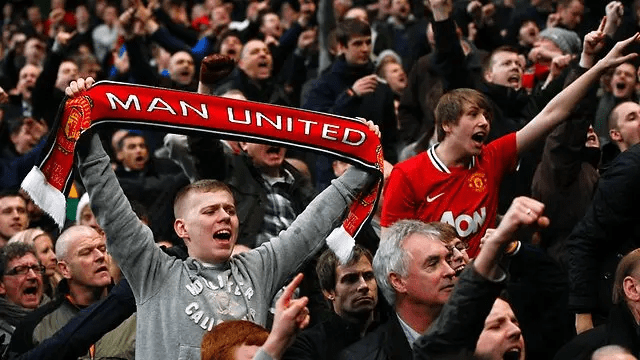
While in the 2020s, Manchester City fans increasingly point to Liverpool as their main adversary, historically, their greatest rivalry has always been with Manchester United. Their matches are not just games but a battle for the right to be called the true club of Manchester. The rivalry reignited with new intensity in the 21st century when City, after a long period in the wilderness, returned to the elite. Bolstered by a financial injection in 2008, they began to compete with Manchester United for the status of the strongest team not just in England, but in Europe.
The rivalry between the clubs has always had undertones of a social and cultural conflict. Manchester United is perceived as a club of “old money” and historical grandeur, while Manchester City was long considered the “noisy neighbours” who achieved success thanks to investment from their new owners. The red fans accuse the blues of “buying titles,” while the blues accuse them of arrogance and a desire to turn the Premier League into a closed shop for the elite.
Both sets of supporters find new reasons for mutual mockery. City fans insist that they are the true club of Manchester, as Manchester United plays not in the city itself but in Trafford. The “Blues” also ridicule the “tourists in red,” implying that many United fans fly in from London, Europe, and Asia for a single match. This has led to derogatory labels like “plastic fans” or “glory hunters.” In response, United fans point out that since 2008, City has also gained tens of thousands of new supporters worldwide who can hardly be called native Mancunians.
Furthermore, both fanbases have a long tradition of inventing nicknames for each other. Manchester United were dubbed “the Rags” by their neighbours, a reference to the post-war period when the team, in poor form, temporarily played at City’s stadium. In return, the reds call City’s ground “the Emptyhad” (a play on Etihad and empty), hinting at the empty seats at home matches, especially on weekday evenings. City fans also refer to Manchester United’s home ground, Old Trafford, simply as “The Swamp.”
In the 2020s, both clubs are among the richest and most powerful in the world, consistently reaching the latter stages of the Champions League and building multi-million-strong fanbases. Thanks to them, Manchester stands alongside Madrid and Milan as a city where football is part of the DNA. But beneath this success lies an eternal enmity that makes every derby special. For the fans on both sides, it’s not just a match for three points, but a battle for the honour of the city.