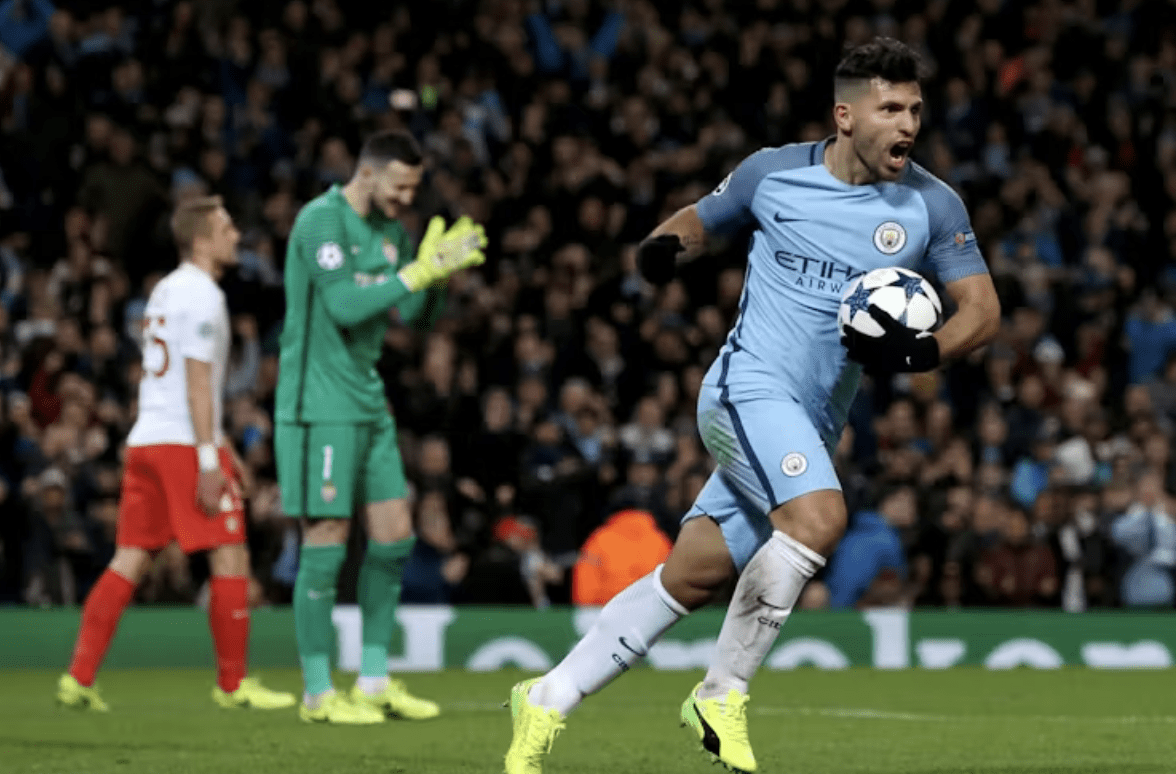

In Manchester, a city that doesn’t just live football but has it woven into its very DNA, it’s a cultural code embedded in every street and café. Here, football isn’t merely a game; it’s a family history passed down from grandparents to grandchildren, the currency of conversation in pubs, and the reason the entire city can come to a standstill for 90 minutes. Further details at imanchester.info.
When visitors hear the city’s name, two associations instantly spring to mind: “Manchester United” and “Manchester City”. The rivalry between the red and blue halves of the city is more than just a source of pride—it fuels an economic engine that extends far beyond the football pitch. On match days, the streets swarm with crowds, pubs are packed to the rafters, and hotels are filled with fans from all over the world.
Football in Manchester is more than just entertainment; it’s a global brand, a powerful tourist magnet, and a source of thousands of jobs. This sport is deeply integrated into the economic and cultural life of the city, turning every match into a celebration and a business opportunity.
The History of Football’s Development in Manchester
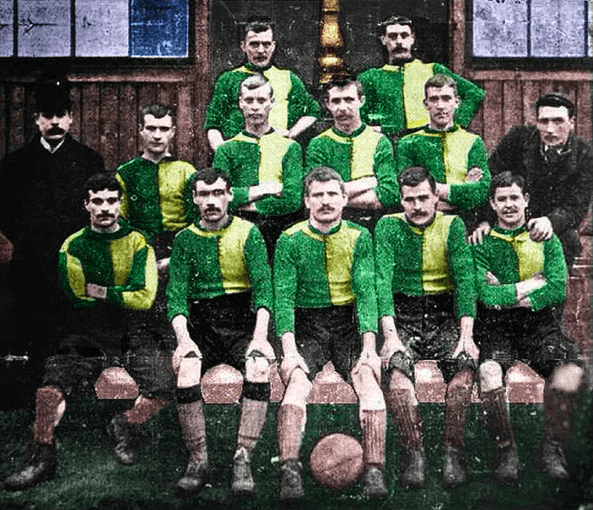
The history of football in Manchester dates back to the mid-19th century, when the city was already one of Britain’s industrial powerhouses. Thousands of people flocked to the working-class districts, and alongside their hard labour, they needed leisure. On wastelands, in factory yards, and in parks, teams began to emerge from the local communities, often formed based on their workplace or parish. This is how, in 1878, Newton Heath LYR—the future Manchester United—was born, assembled from the workers of the Lancashire and Yorkshire Railway depot.
On the other side of the city, in the Ardwick area, the team St. Mark’s was founded in the 1880s, organised by the local parish church, which would later become Manchester City. Initially, football was more of an amateur pursuit, without huge stadiums and television broadcasts, but driven by the genuine passion of players and spectators. Matches brought together neighbours, families, and colleagues, creating a unique sense of community that laid the foundation for the city’s future footballing greatness.
The Significance of Football for Manchester in the 21st Century
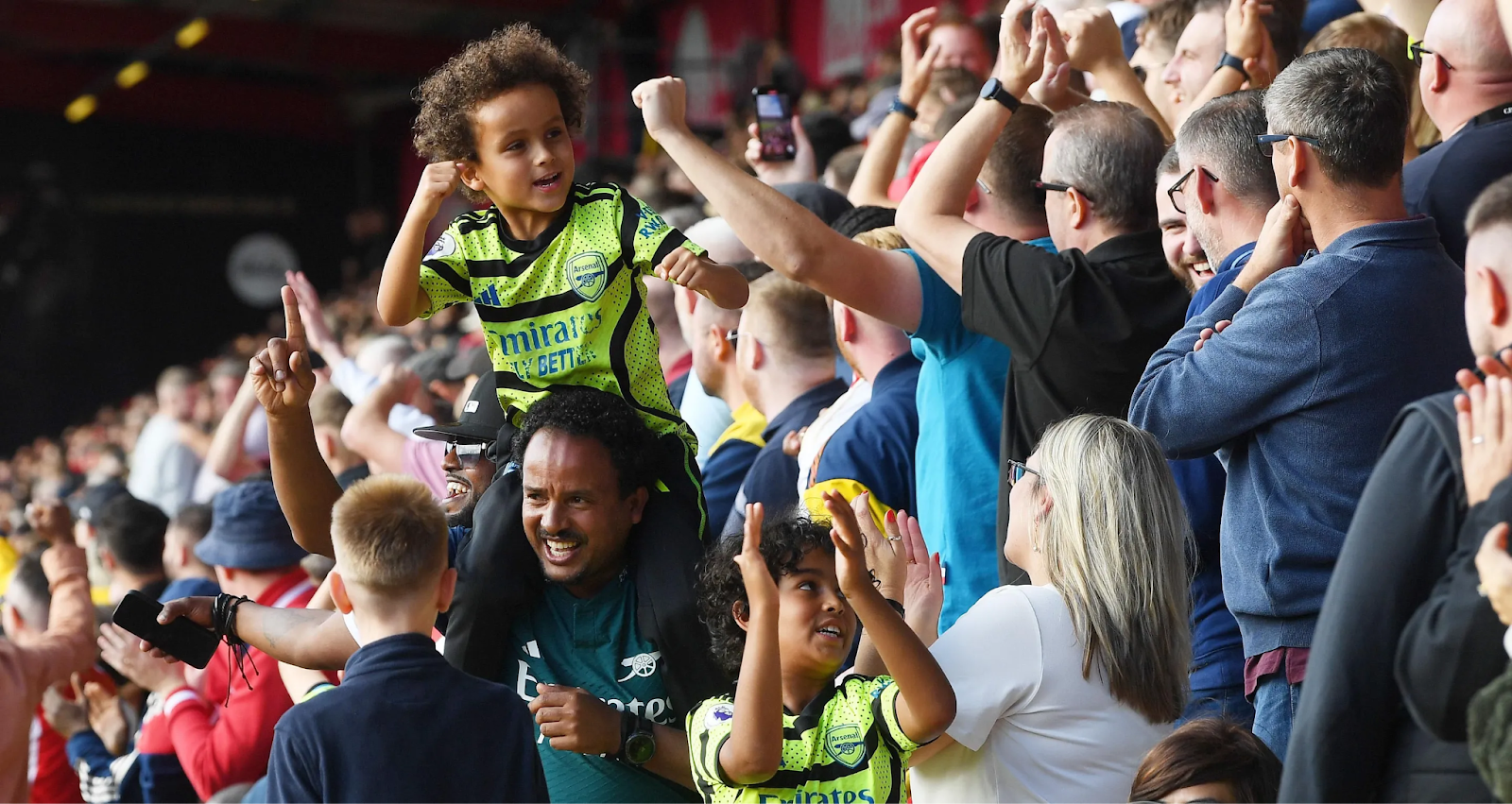
In the 21st century, football in Manchester is not just a game but a whole industry that defines the city’s life. The two titans, Manchester United and Manchester City, have evolved into global brands with millions of supporters, not only in the city but across the world. Their matches fill stadiums to capacity, and their broadcasts attract a multi-million audience in various countries.
In the 2020s, the clubs don’t just compete for titles; they have become hubs of the urban economy. The construction and modernisation of stadiums, the development of club academies, the sale of merchandise, and stadium tours—all of this creates jobs and attracts millions of pounds to Manchester. The Etihad and Old Trafford have long been landmarks on par with museums and historic buildings.
Football has also transformed the urban landscape: new residential quarters, hotels, restaurants, and cultural spaces are appearing around the stadiums. For the city’s residents, matches are not just a sport but a vital part of social life, a way to unite people of different ages, professions, and nationalities under shared club colours.
Football as an Engine for Tourism in Manchester
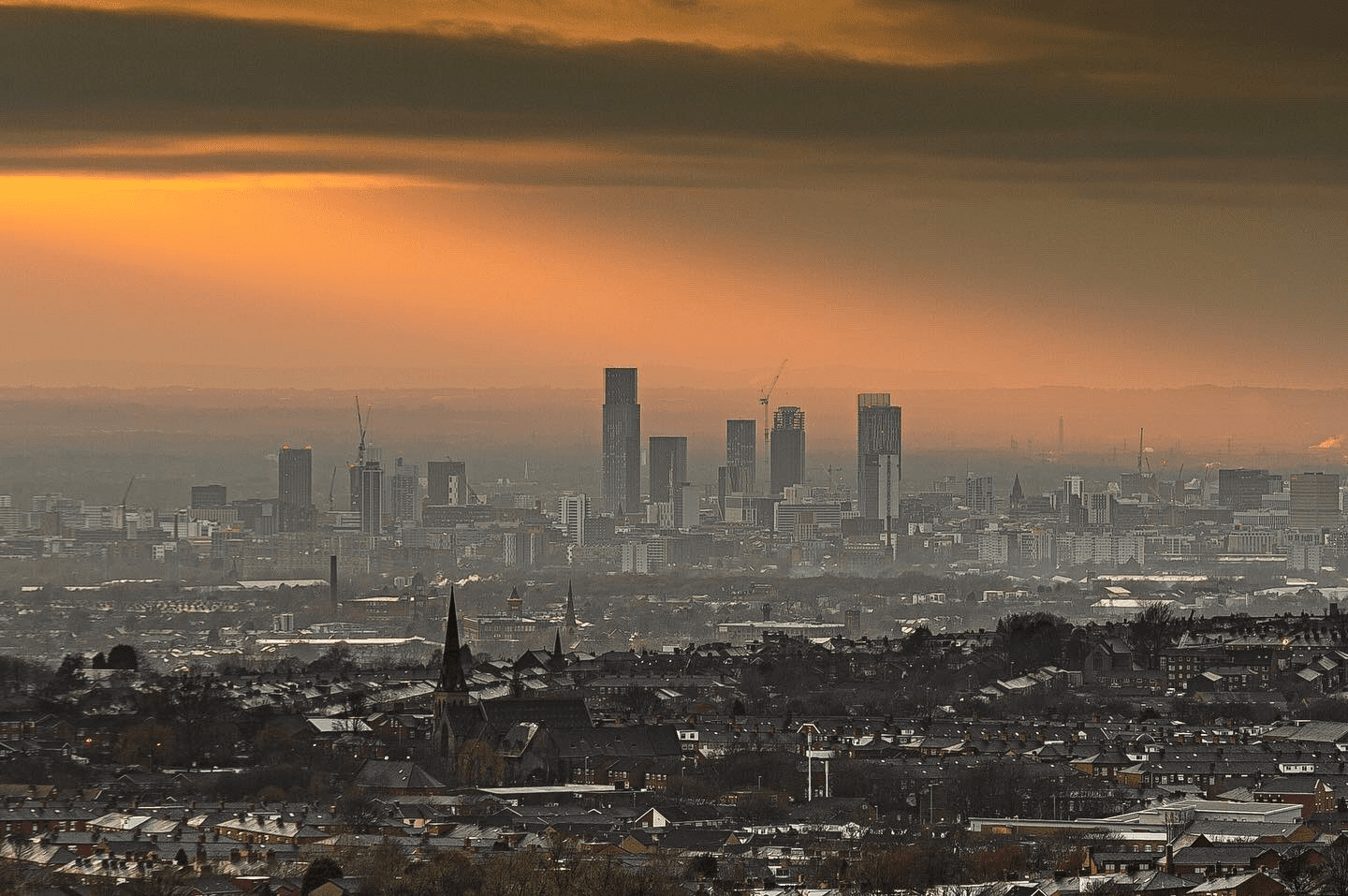
Football tourism is a crucial driver of Manchester’s economy. Each season, millions of visitors, from day-trippers to long-haul travellers, come to watch their favourite teams play live. Fans from Asia, America, and Europe make pilgrimages to Old Trafford and the Etihad Stadium, often combining a match day with museum tours, stadium visits, and shopping in the city centre. Hotels, restaurants, taxi services, and even souvenir shops thrive on this constant influx of people.
According to tourism boards, a single high-profile match can bring millions of pounds sterling into the local economy over just one weekend. In addition to matches, football conferences, youth tournaments, and fan festivals attract even more visitors, ensuring the sport’s year-round impact on the city’s economy.
Football Not Only Unites People but Also Creates Jobs
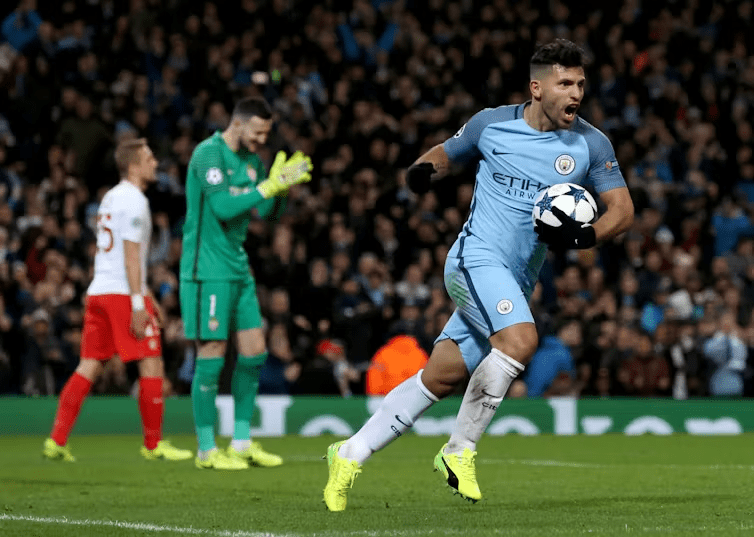
Football sustains a vast network of jobs in Manchester. Directly, it employs thousands of people—from stadium staff and security to marketing departments and hospitality workers. But in reality, football creates a precedent for even more jobs across the city. Catering companies provide food on match days, local brewers supply the pubs, and taxi drivers see a sharp increase in demand. Thanks to football, media production teams, event organisers, and tour guides also find stable employment. Even small businesses, like family-run cafés near the stadiums, are heavily dependent on match-day visitors. The sport has become a stabilising force in the city’s job market, ensuring that the love for football translates into a source of income for many Mancunians.
Branding: Football as Part of Manchester’s DNA
Manchester’s football clubs are among the most recognisable sports brands in the world. Their logos, colours, and the faces of their players can be seen on billboards from Lagos to Los Angeles. This global recognition strengthens the city’s image far beyond the sporting world. Companies looking to invest or open offices often cite the city’s dynamic image, which is largely shaped by football. The sport also influences perception: Manchester is seen as competitive, ambitious, and internationally connected. Major sponsorship deals, merchandise sales, and international broadcasting contracts bring money back to the clubs and, indirectly, to the local economy.
The Impact of Football on Property Development in Manchester
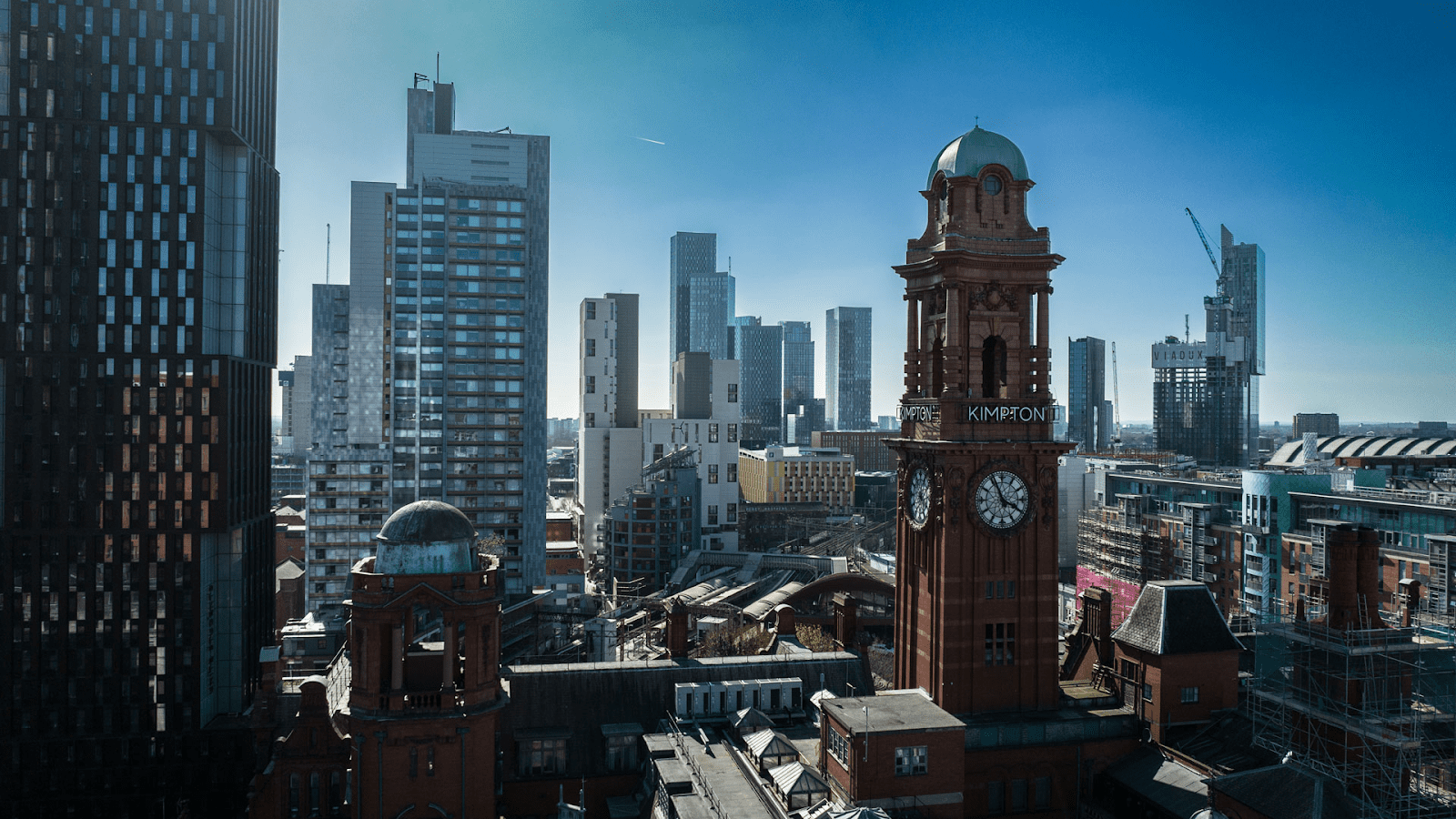
Manchester is not only a football capital but also an example of how sport can transform an urban environment. The presence of Manchester United and Manchester City has become a powerful engine for property and infrastructure development in the surrounding areas.
The construction of the Etihad Stadium and the large-scale regeneration of East Manchester have breathed new life into once-depressed neighbourhoods, turning them into vibrant residential and business zones. Cafés, restaurants, offices, and new housing developments have replaced empty industrial sites, and the influx of investors has made the area one of the most promising in the city.
A similar situation has unfolded around Old Trafford. Living next to the legendary arena has become prestigious, sparking a boom in the housing market. In recent years, property prices in these areas have risen by approximately 70%, and rental rates are growing faster than almost anywhere else in the country. This trend is only strengthening, attracting developers and investors.
It is also worth noting that both clubs actively invest not only in their stadiums but also in state-of-the-art training facilities and academies. These world-class centres nurture future champions, develop local talent, and establish Manchester as a hub for unlocking the potential of gifted players, coaches, and specialists. As a result, the city gains not just sporting victories but also sustainable economic growth, new jobs, and an improved quality of life.
- https://www.theukpropertyguy.com/articles/the-massive-impact-of-football-on-manchester
- https://www.manutd.com/en/news/detail/study-shows-positive-effect-man-utd-has-on-the-economy
- https://www.themanchestershop.co.uk/blogs/news/history-of-manchester-football?srsltid=AfmBOoqZH4hR_YOw8j7M8np8qb8vEPLZMW5KH7eS_pn3O53RlQ0gPNf1