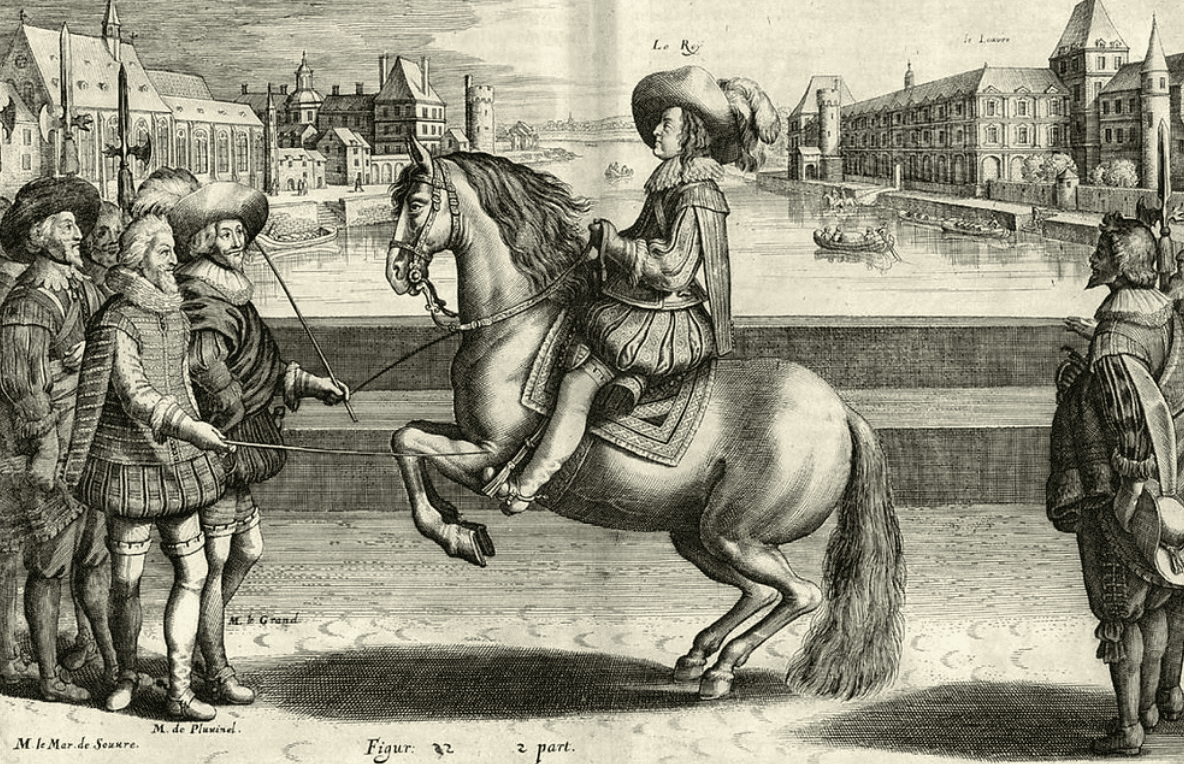

Horses have played a vital role in British history, from agriculture to transportation and warfare. In Manchester, horses were essential for daily life before the rise of automobiles, and their importance extended to sports. The origins of equestrian sports in Manchester date back to the 17th century, highlighting the city’s rich history in this field. Learn more on imanchester.info.
Popularity of Horses in Manchester and the UK
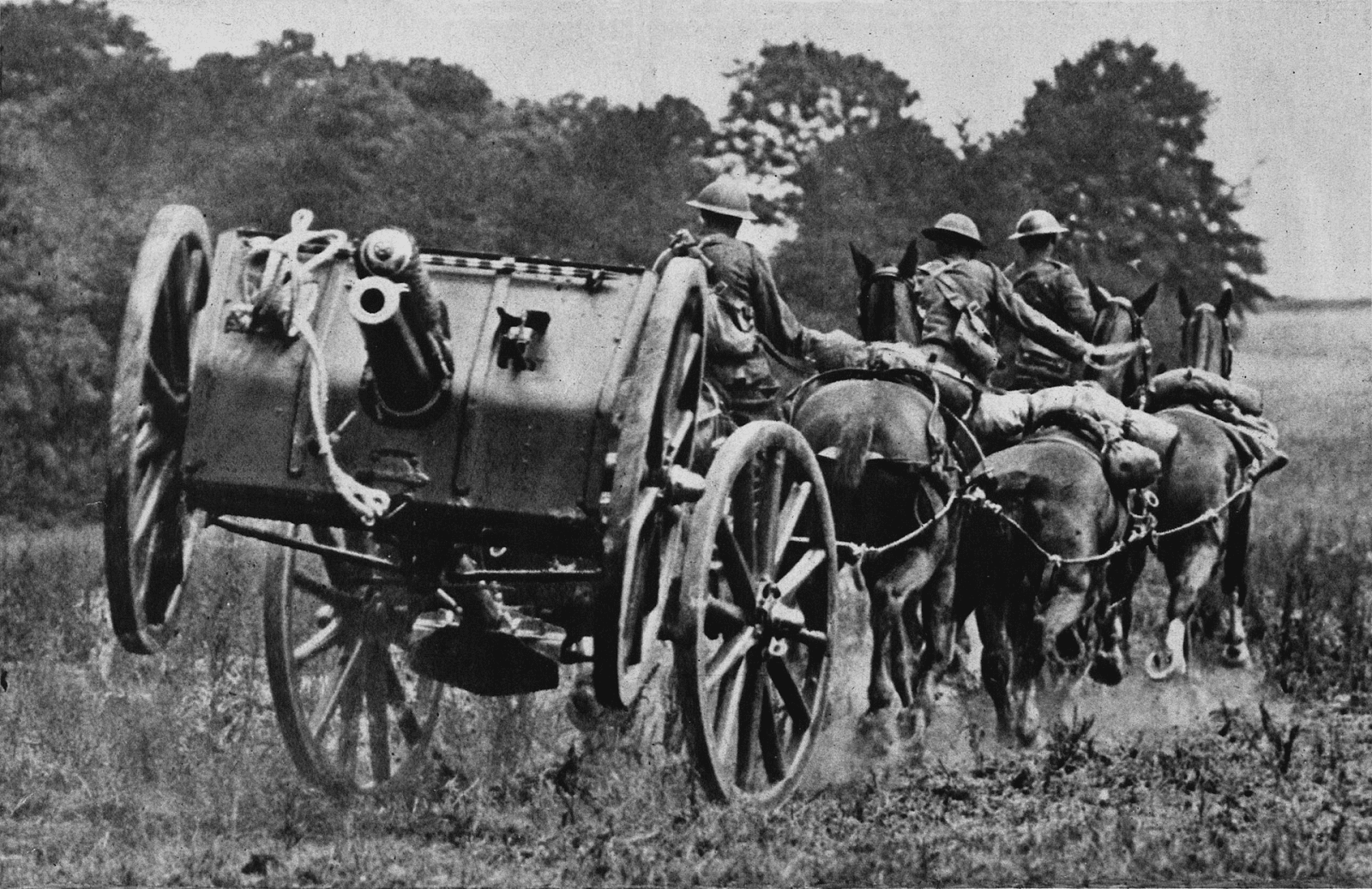
The significance of horse ownership in Britain dates back to the 12th century, including in Manchester. Horses were indispensable for transportation, plowing fields, and transporting agricultural goods. In Manchester, the equine industry thrived, with breeds like the English Thoroughbred, Shetland Pony, and Clydesdale being particularly prominent. These breeds served various purposes, from racing and showcasing to farming and forestry.
Today, horses remain integral to British culture. In modern Manchester, equestrian sports and activities thrive at facilities like Wythenshawe Park Riding Stables, Carrington Riding Centre, and John Shaw Equestrian Centre, offering opportunities for both leisure and competitive riding.
Development of Equestrian Sports in Manchester
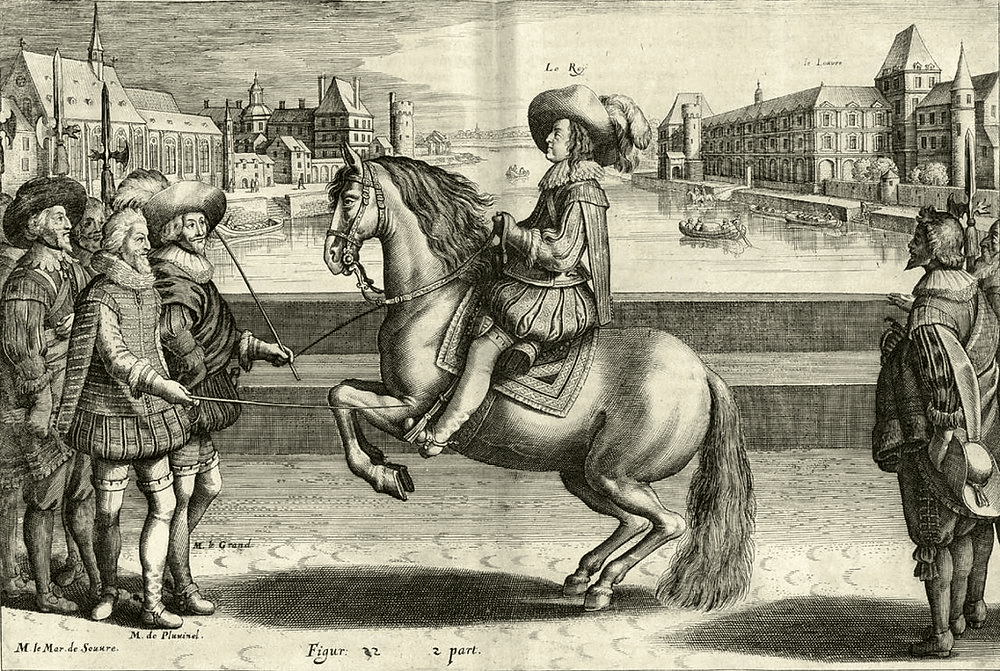
The roots of equestrian sports in Manchester trace back to the medieval era when horses were essential for transportation, farming, and warfare. By the 17th century, horses became a status symbol, and the upper classes adopted horseback riding as a recreational activity. The rise of aristocracy in the region also popularized fox hunting, a social and cultural phenomenon that flourished in Manchester’s surrounding countryside.
Horse Racing in Manchester:
Horse racing gained popularity in Manchester during the 17th century. The first recorded races in the area occurred at Barlow Moor in 1647. Additional races were held between 1697 and 1701. Over time, many other races and competitions took place across the region, often as one-off or short-lived events. Popular venues included:
- Heaton Park (1827–1838)
- Eccles (1839)
- Harpurhey (1845)
- Stretford (1841–1852)
However, the primary location for horse racing in Manchester from the 17th to the 19th century was Kersal Moor.
The Victorian era marked the golden age of equestrian sports in Manchester. The Industrial Revolution brought wealth to the city, fueling investment in entertainment, including horse racing, hunting, and other equestrian activities.
Equestrian Sports in the 20th and 21st Centuries
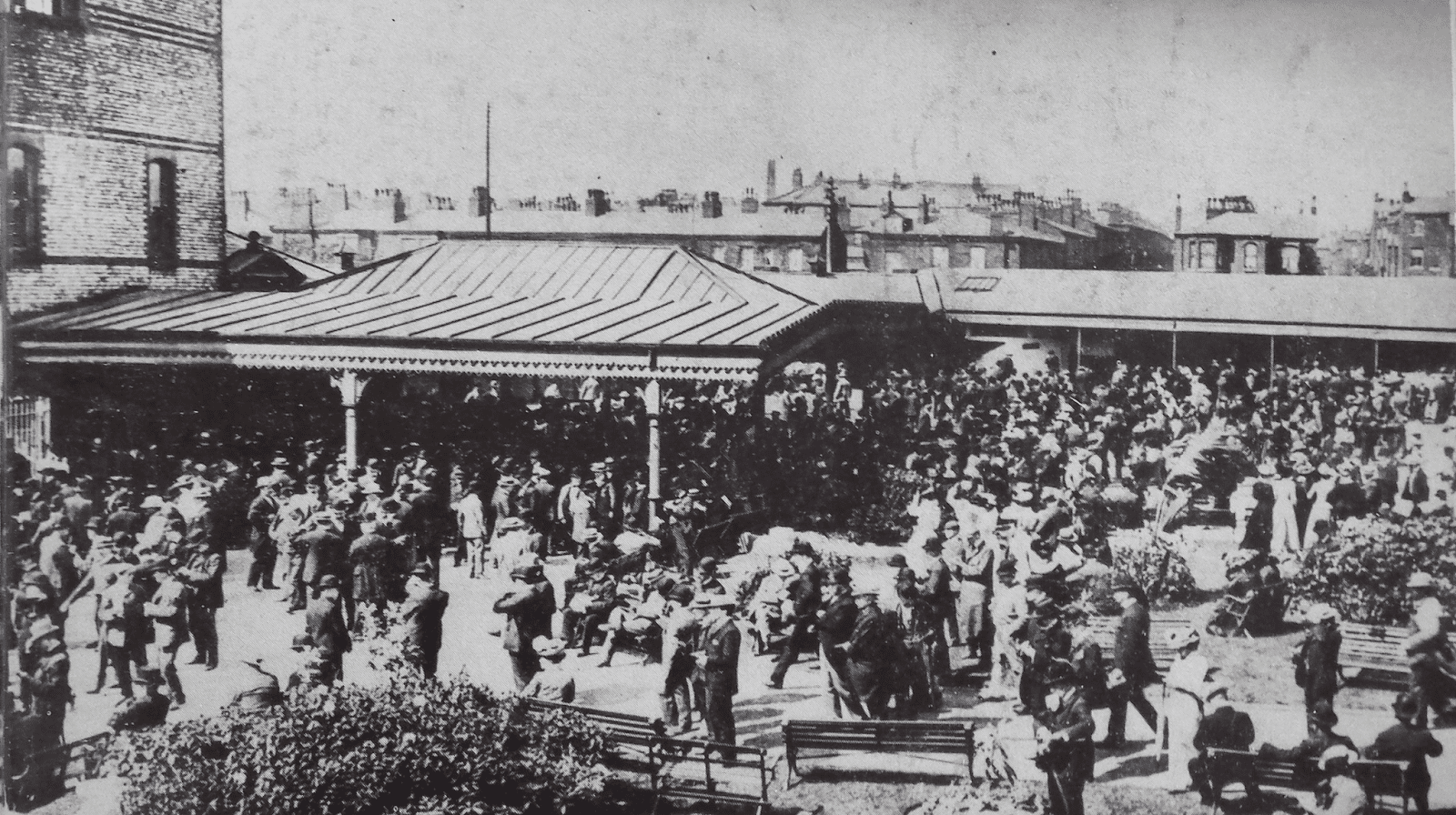
The two World Wars of the 20th century dramatically impacted Manchester’s equine industry. Many horses were requisitioned for military service, and mechanization in agriculture and transportation reduced their everyday utility. Horse-drawn trams and carriages were replaced by electric trams and motorized vehicles. The closure of the Manchester Racecourse in 1963 marked the end of an era.
Despite these challenges, equestrian sports persisted as an important part of Manchester’s culture. In the second half of the 20th century, clubs and organizations emerged to promote horseback riding and racing for leisure and competition.
Equestrian Centers in Modern Manchester
In the 21st century, equestrian sports in Manchester are thriving, with numerous riding schools and centers offering services to residents and tourists. Some notable centers include:
- Carrington Riding Centre
- Margaret Haes Riding Centre
- Wythenshawe Park Riding Stables
- Matchmoor Riding Centre
- Glen Jakes Riding School
These facilities provide opportunities for riders of all levels to experience the joys of horseback riding, ensuring that Manchester’s equestrian heritage remains alive and well.
