
From its roots in the Industrial Revolution to its rapid urban growth, Manchester has been synonymous with progress and modernity. However, beneath the surface of this industrial powerhouse lay a lesser-known facet of the city’s history: the enduring practices of folk medicine and magical rituals. These age-old traditions have left a profound imprint on the cultural heritage of Manchester and the surrounding region. How have these practices developed and endured over time? Let’s delve deeper. Next on imanchester.info.
The Emergence of Folk Medicine in Manchester
The origins of traditional medicine and magical rituals in Manchester are closely tied to the city’s early settlements. Knowledge of medicinal herbs and natural remedies was passed down through generations, forming the backbone of early healthcare.
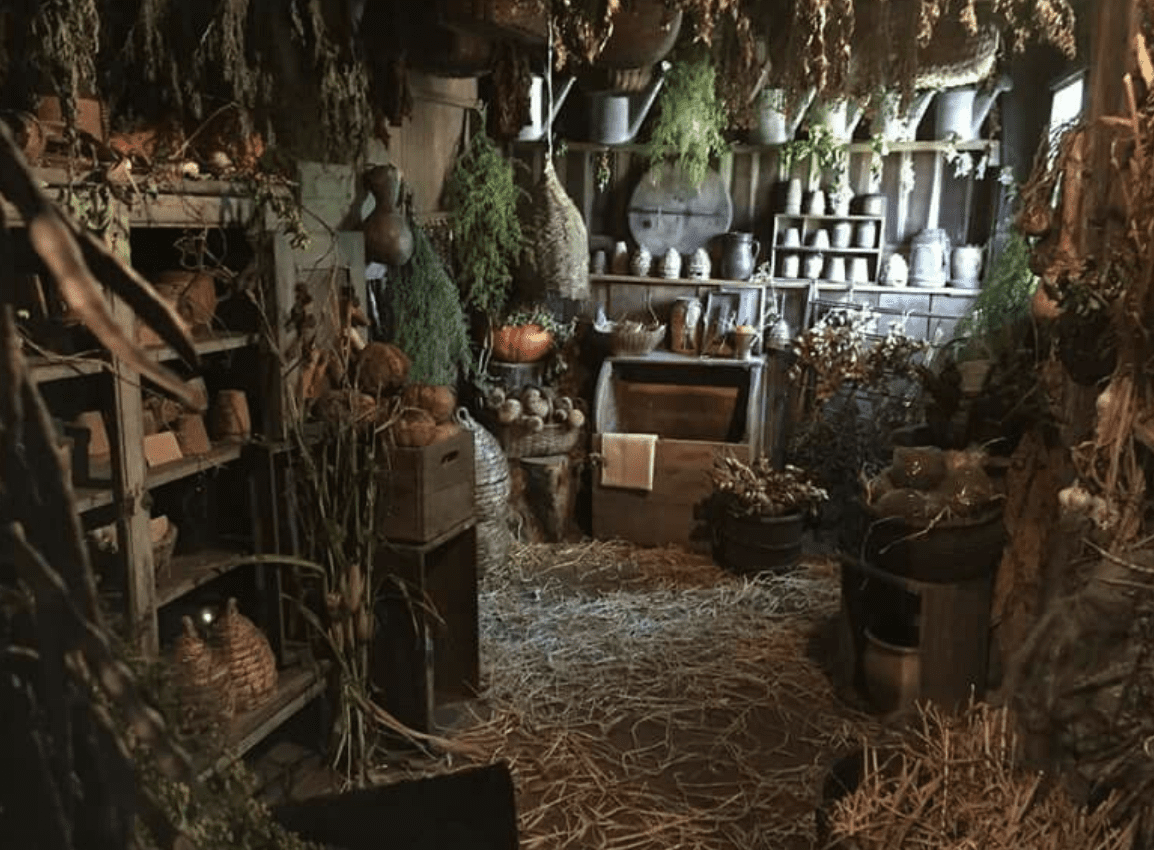
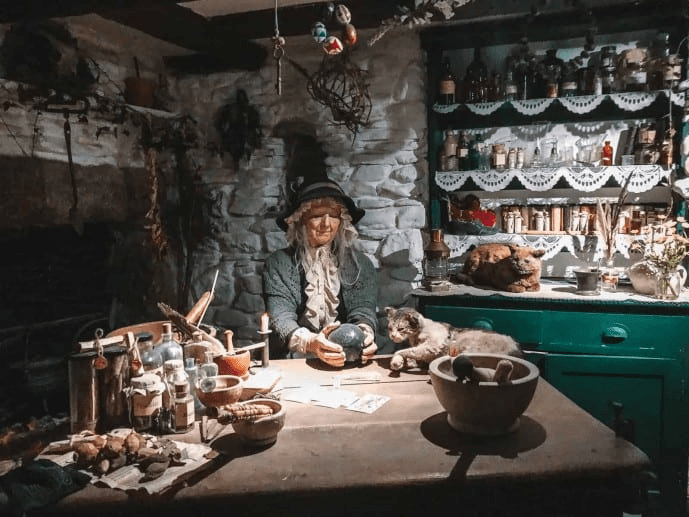
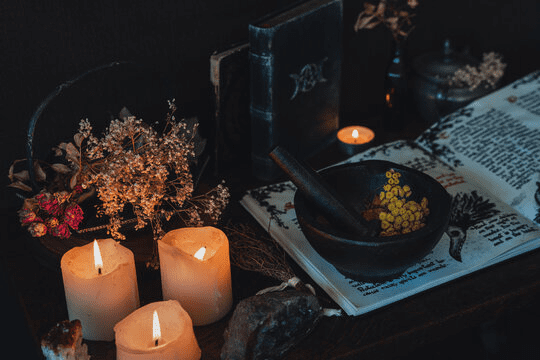
Local healers, deeply respected within their communities, played a pivotal role in treating ailments and offering practical advice. In the absence of modern medical facilities, these individuals were often the only source of medical assistance. They relied heavily on an extensive array of medicinal plants gathered from the lush flora of the Lancashire and Manchester countryside. Herbs like nettle, elderflower, and comfrey were commonly used to treat everything from digestive issues to respiratory conditions.
The Influence of Magic and Superstition in Manchester’s Daily Life
Magic and superstition were inseparable from the region’s folk medicine. Belief in supernatural forces and the use of magical rituals to influence health were widespread across Manchester and its environs. Healers employed amulets, talismans, and incantations, often using magic to treat illnesses or protect against malevolent spirits.
The integration of magical practices into medicine was not unique to Manchester; it was a common trait of folk medicine across Europe. However, specific rituals and beliefs varied by region, shaped by local customs and traditions.
Folk Remedies and Magical Practices in Manchester
By the late 16th century, folk remedies were prevalent across industrial regions like Rossendale and Whitworth in the South Pennines. While many treatments were questionable, they were firmly entrenched in the realm of folk medicine. For instance, a method to reset broken bones involved strapping a patient’s leg to a rail and delivering a strong kick to the injured area. Another widely known remedy in Manchester was the mysterious “red bottle,” a recipe whose secrets remain undisclosed even in the 21st century.
Some practices were steeped more in hope than science. One widespread belief involved transferring an illness to an object or another person, a ritual frequently performed to cure whooping cough. This tradition persisted in Manchester and nearby counties until the early 20th century.
In the 20th century, another popular ritual involved curing warts. Women who had exhausted other remedies often turned to this practice. They would place a sixpence coin under their pillow at bedtime and pray. Silver, regarded as a magical metal, was believed to absorb the warts.
The Decline of Folk Medicine and the Rise of Modern Healthcare
Folk medicine and magic maintained their popularity in Manchester well into the 20th century, but the advent of the Industrial Revolution in the 18th and 19th centuries marked a turning point. Rapid urbanisation and an influx of new populations brought changes to healthcare practices. Access to modern medical facilities and advancements in scientific medicine gradually reduced the community’s reliance on traditional healers and magical rituals.
Nevertheless, some individuals remained loyal to these older methods, and folk traditions did not disappear entirely. Instead, they adapted to the changing times. Medicinal herbs continued to be used alongside modern treatments, often as complementary remedies.
Even prominent figures of the era did not shy away from using magical cures for ailments or superstitious rituals to ward off evil forces. Ancient recipes and practices were preserved, and some are now housed in the Chetham’s Library in Manchester. Among the treasures is a 17th-century herbal compendium, handwritten with numerous traditional remedies, including ointments to ward off “nightly visits from goblins” or visions of the “devil’s illness.”
Religious Magic and Its Role
Religious magic also played a significant role in enhancing herbal remedies. For example, a concoction of poppy seeds, lupins, henbane, horseradish, viper’s bugloss, field garlic, and hedge mustard would be blessed with nine sung Masses before being used. Such rituals were designed for “women with whom he has physical connections.”
The Legacy of Folk Medicine in Manchester
After the Industrial Revolution, folk medicine and magical practices largely persisted among rural populations. Even as modern medicine advanced, some people continued to endure the risks of unscientific treatments. Many remedies and rituals that produced results often had a psychological impact rather than a scientific basis.
Manchester’s healers and their unique blend of medicine and magic have left a lasting legacy. These traditions offer a fascinating glimpse into the cultural and social fabric of the city, showcasing how communities adapted to the challenges of their time.