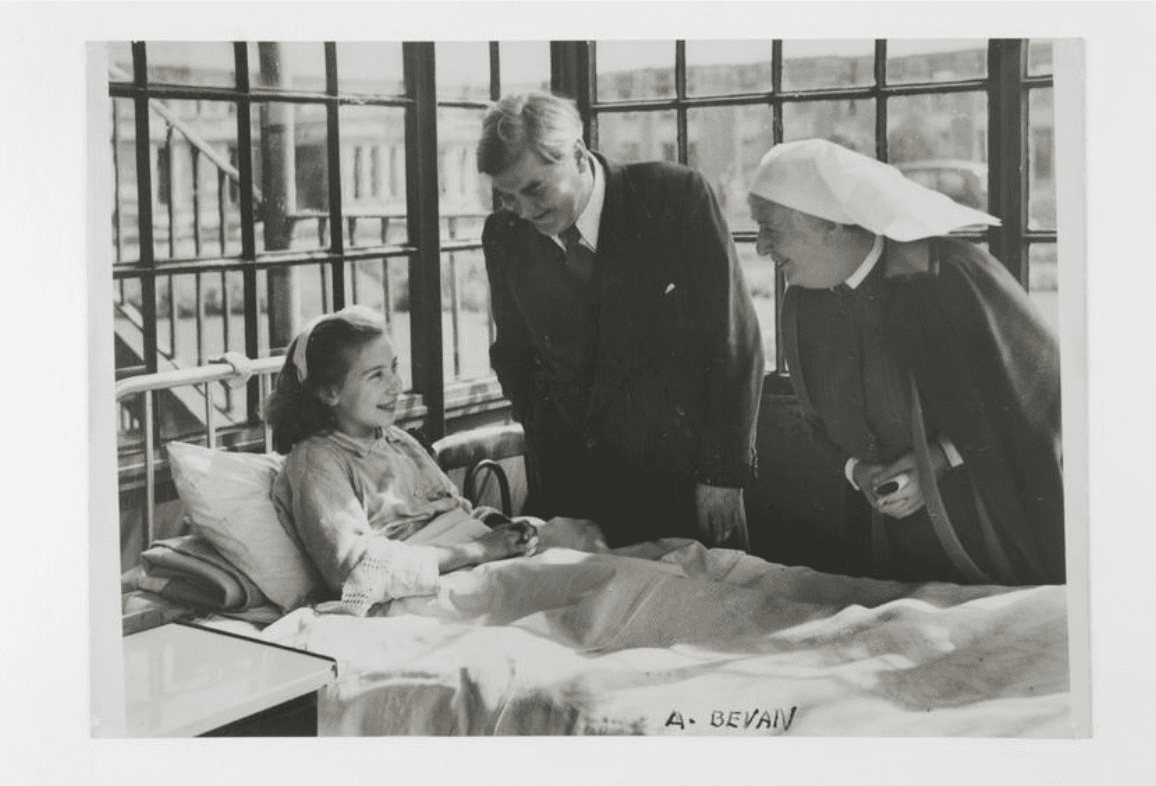

Saint Mary’s Hospital in Manchester has a rich and storied history. Since its establishment in the 18th century, the hospital has provided vital services to the city’s population, particularly in women’s healthcare. It offered not only maternity care and medical assistance but also refuge for victims of domestic violence. Over the years, it played a crucial role in the city’s healthcare system. This article explores its history, development, and innovative medical practices. More on imanchester.info.
The History of a Historic Medical Institution
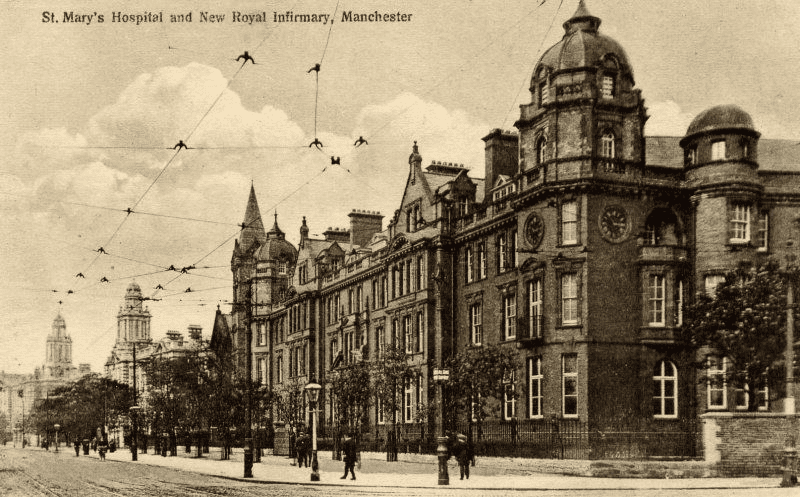
The origins of Saint Mary’s Hospital date back to 1790 when it was established as a charitable organisation on Old Bridge Street in Salford by the renowned local doctor Charles White. Initially, the hospital provided general care for the sick.
In 1795, the organisation was restructured and became known as the Manchester Lying-In Hospital. Despite the rebranding, it remained in Salford, located on Stanley Street.
During its early years, the hospital experienced rapid growth and expansion. It was founded to improve medical care for women at a time when many relied solely on home remedies. This was especially challenging for women during childbirth, as mortality rates for both mothers and infants were alarmingly high.
At that time, the field of medicine was dominated by men, who often neglected women’s healthcare. These issues motivated the establishment of Saint Mary’s Hospital, which provided safe conditions for childbirth—a crucial improvement for women who previously gave birth in unsafe home environments. The midwives and nurses at Saint Mary’s were trained to deliver superior care compared to what was available at home. As a result, maternal and infant mortality rates significantly decreased in the hospital’s early years.
Advancing Medicine and Women’s Services at Saint Mary’s Hospital
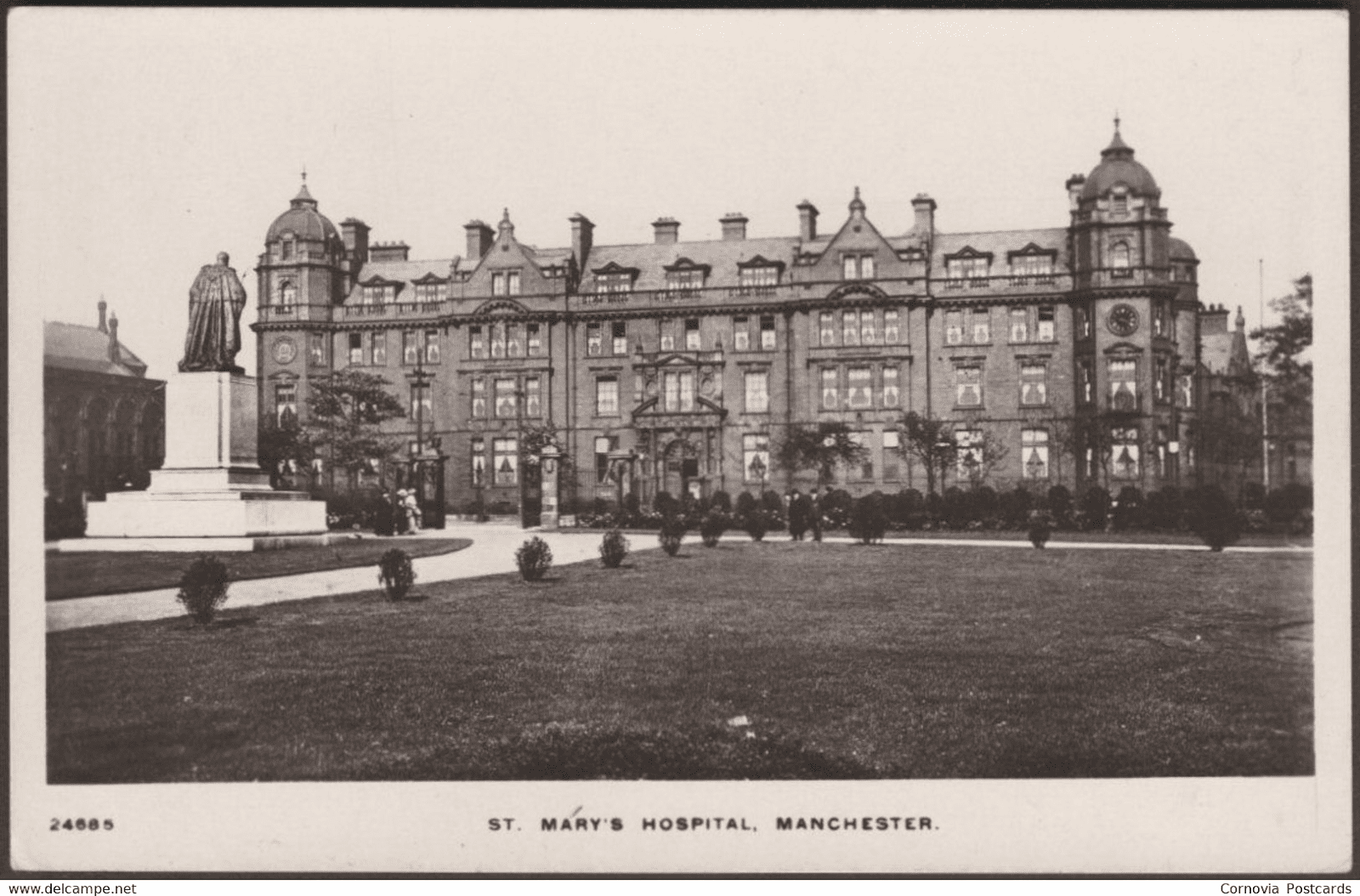
Saint Mary’s Hospital provided midwifery training for women and housed a pharmacy where essential supplies could be purchased. Moreover, the hospital offered shelter for women in need, including widows, abandoned wives, and those whose homes were unsuitable for childbirth or child-rearing.
In its first year, the hospital treated 92 patients. By 1799, this number had risen to 177, and by the start of the 19th century, the hospital was serving 800 women annually. This growth underscored the high demand for the hospital’s innovative and high-quality services.
In 1819, the hospital relocated to Manchester, returning to Salford in 1822. In 1854, it was renamed the Saint Mary’s Hospital and Dispensary for the Diseases of Women and Children Under Six Years. A year later, it moved back to Manchester, settling on Quay Street. The new building, constructed for £4,300, accommodated up to 90 beds, including 30 for children.
By the mid-19th century, the hospital introduced home visits by doctors. All hospital physicians were required to have prior training at Owens College (later the Victoria University of Manchester).
As the 19th century progressed, Saint Mary’s continued to expand its services. The rapid population growth during the Industrial Revolution led to an increased demand for medical care. The hospital responded by broadening its focus to include gynaecological care, recognising the need for specialised medical attention beyond maternity services. Innovations such as anaesthesia revolutionised surgical procedures, making them less painful and more accessible to women requiring operations.
By the end of the 19th century, Saint Mary’s had firmly established itself as a centre of excellence in women’s healthcare, playing a key role in medical education and training a new generation of doctors and nurses dedicated to advancing women’s health.
Pioneering Methods in Treating Gynaecological Conditions
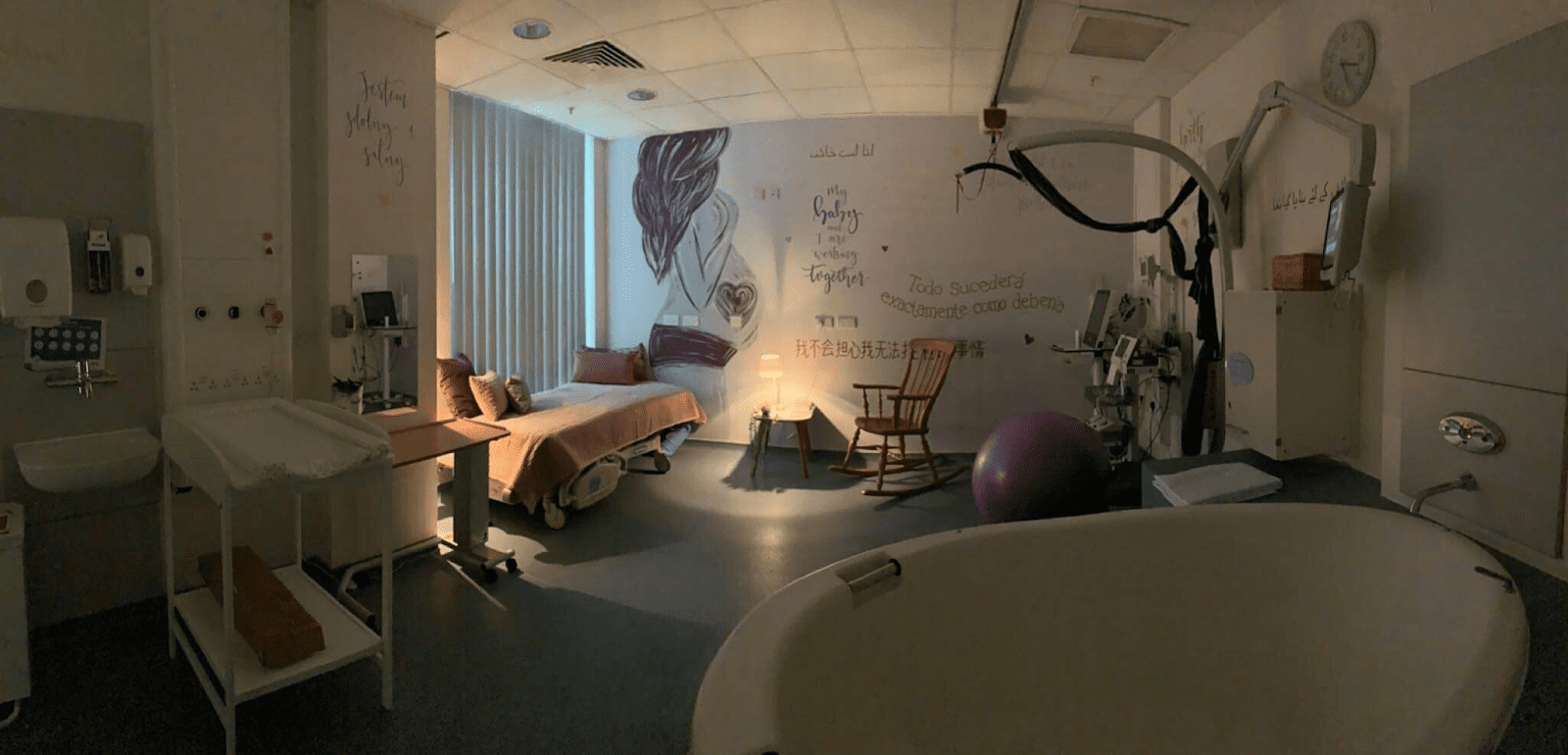
Since its inception, Saint Mary’s Hospital has been a hub for innovation and advanced medical treatments in women’s healthcare. Its staff were well-trained and highly skilled, providing care in clean, sterile conditions equipped with essential medications and medical instruments.
In the 20th century, significant organisational changes occurred. In 1904, the hospital merged with the Manchester Southern Hospital for Women and Children, resulting in the construction of two additional hospital buildings—one on Whitworth Street West and another in Chorlton-on-Medlock.
The hospital also established a nursing school that certified midwives. In 1910, it appointed its first female surgeon, and in 1919, it opened a venereal disease clinic, followed by a women’s counselling centre in 1923.
The two world wars profoundly impacted Manchester’s healthcare system. During these tumultuous times, Saint Mary’s Hospital continued to provide essential services to women, adapting to wartime conditions. The hospital staff worked tirelessly under challenging circumstances with limited resources. During the Second World War, parts of the hospital’s patients and staff were evacuated to Blackpool and later to Collar House in Prestbury, Cheshire, due to heavy Nazi air bombardment of Manchester.
After the war, a new hospital building was constructed on Gathurst Road at a cost of over £3 million. This multi-storey facility included numerous wards, laboratories, and a women’s counselling centre. It also housed specialised units for neonatal care, medical genetics, and in vitro fertilisation (IVF).
A Centre for Reproductive Health
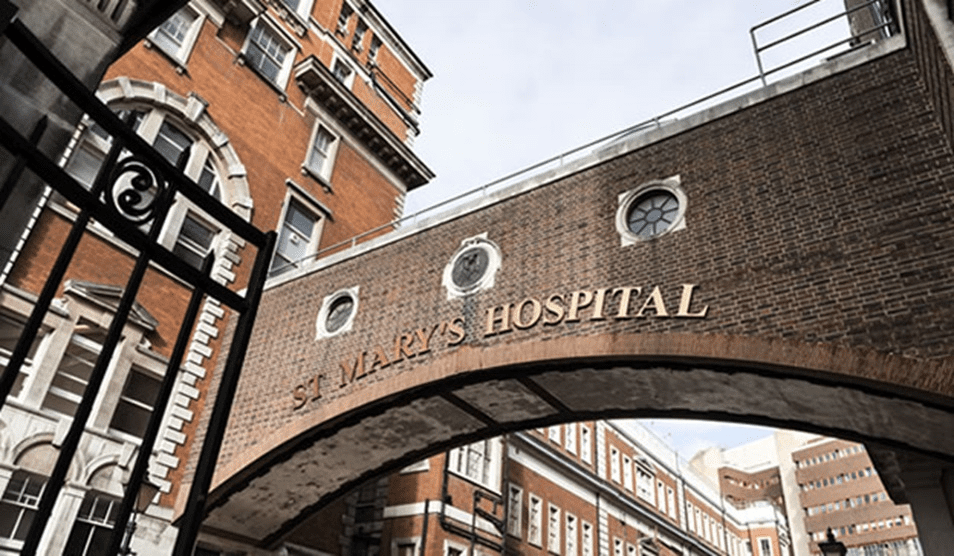
In the mid-20th century, Saint Mary’s became a leader in reproductive health, offering antenatal and postnatal care and treating gynaecological conditions, including cancer. The hospital gained national recognition for its specialised clinical and research programmes, driving significant advancements in women’s healthcare. Initiatives such as cervical cancer screenings and more effective treatments for breast cancer were part of the hospital’s comprehensive approach to improving women’s health outcomes.
In 1986, Saint Mary’s took another groundbreaking step by establishing the Centre for Sexual Assault Victims, the first of its kind in the UK.
The hospital also made strides in fertility services, supporting Manchester women struggling with infertility. Its reproductive medicine clinic earned a stellar reputation, helping numerous women achieve their dreams of motherhood through advanced technologies like IVF. Women from across the country sought treatment at Saint Mary’s, highlighting its exceptional expertise in women’s healthcare.