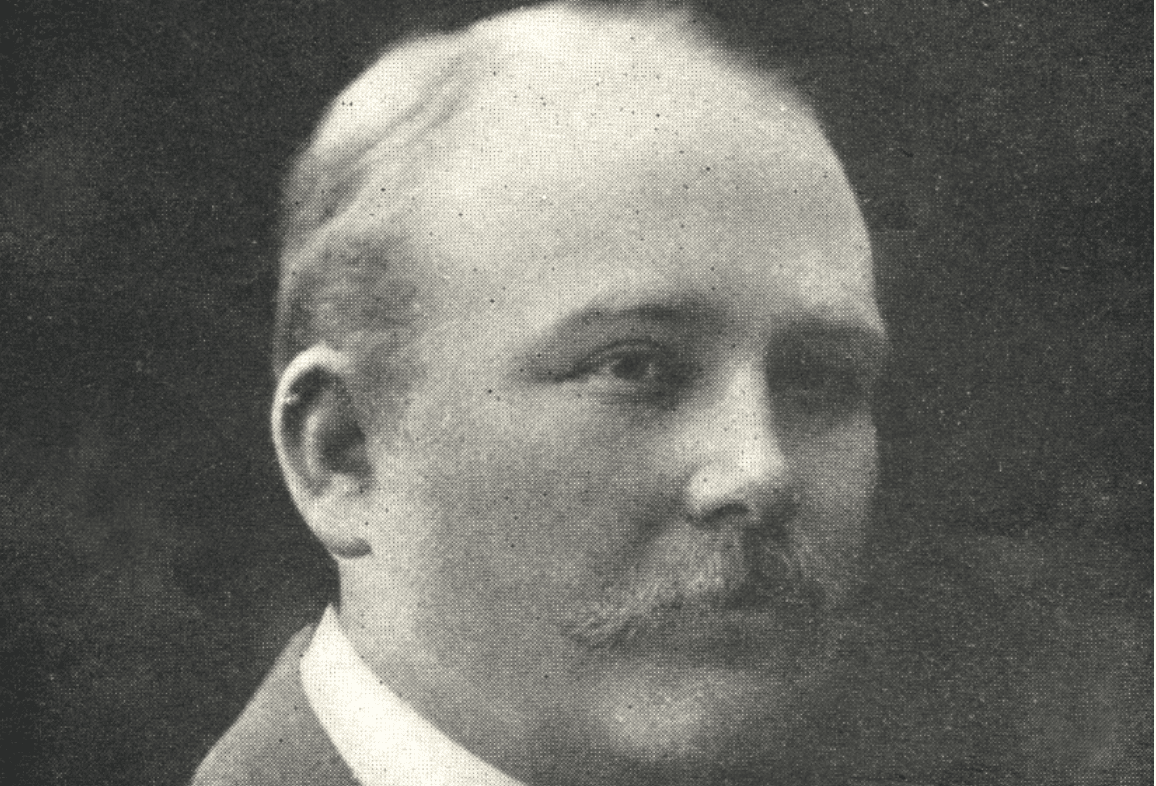

John Leigh, a doctor widely known in Manchester during the 19th century, made a significant mark on the city’s history as an innovator. His research brought remarkable changes to the healthcare system of his time. Throughout his life, he focused on identifying various factors that influenced human health and improving the well-being of Manchester’s population. More on imanchester.info.
What Do We Know About This Manchester Doctor?
John Leigh was born in 1812. Unfortunately, historical records are inconsistent regarding his birthplace. Some sources claim he was born at Foxdenton Hall in Chadderton, while others suggest Liverpool.
His family had some connection to medicine, as his father was an apothecary and also sold tea in Ashton-under-Lyne. Little is known about his mother, except that she was from Saddleworth.
Leigh spent his formative years at a school associated with the Moravian Church in Dukinfield. He later decided to dedicate his life to medicine, starting as an apprentice to a doctor in Ashbourne, Derbyshire. He also studied at Thomas Turner’s medical school in Manchester and at Guy’s Hospital in London.
After acquiring the necessary knowledge, Leigh began his medical practice. His first role was at the Manchester Lazaretto. Remarkably gifted, Leigh not only mastered the nuances of medicine but also deeply understood its etymology, which led him to teach medical students. He even trained others professionally before earning his qualification as a member of the Royal College of Surgeons.
Once qualified, Leigh established a private medical practice in Manchester while continuing to work at the lazaretto. He also remained devoted to teaching medical students, holding positions in chemistry and forensic medicine at the Manchester Royal Medical School. Additionally, he served as a registrar of births, marriages, and deaths.
Leigh was deeply passionate about his work and fully dedicated himself to it.
Chemistry as a Hobby
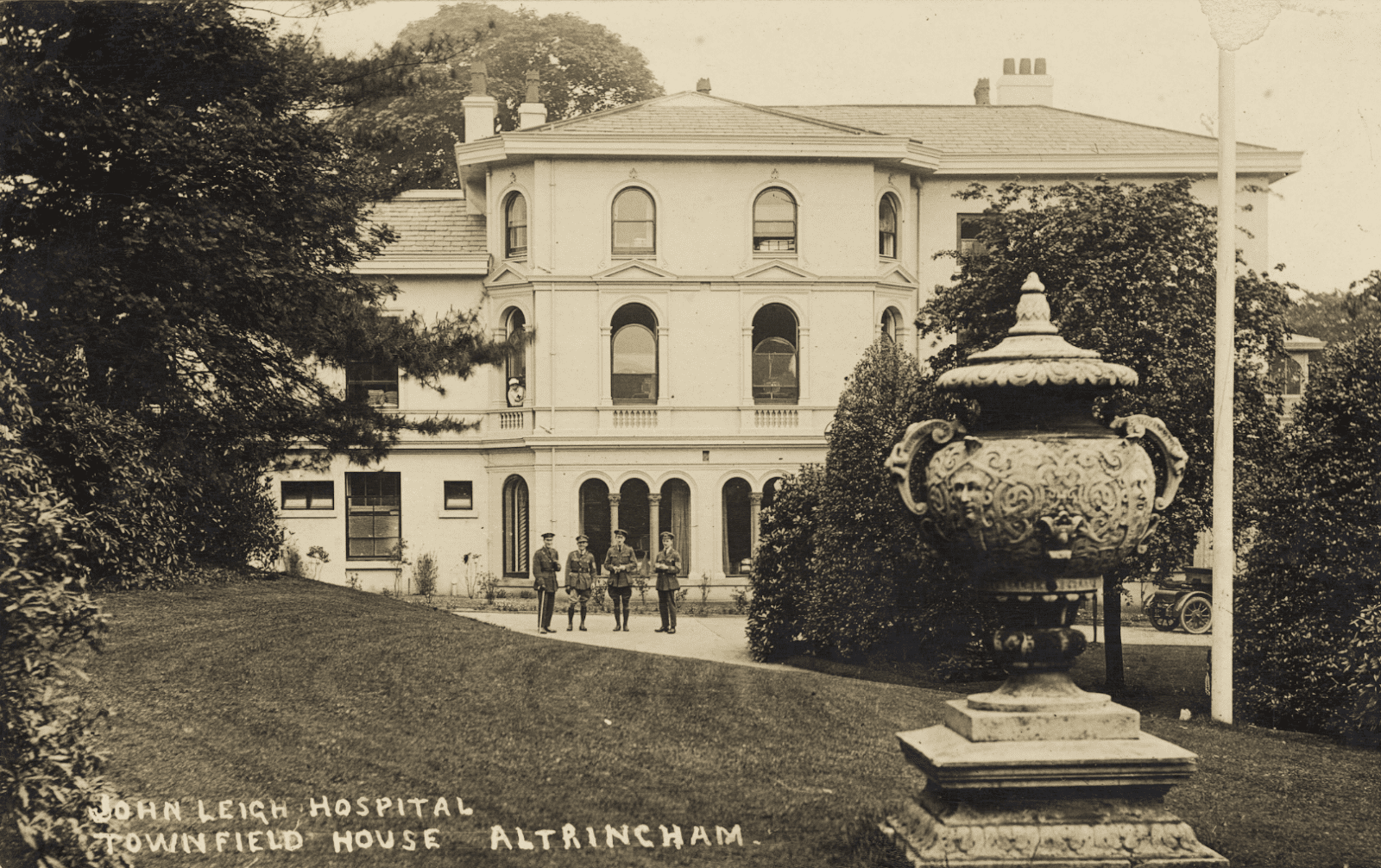
Beyond medicine, Leigh had a strong interest in chemistry and experimentation. His enthusiasm led him to become a member of the Chemical Society and work as an analytical chemist at the municipal Manchester Gasworks.
Manchester was one of Britain’s earliest industrial cities to adopt coal gas on a large scale. Producing coal gas was a complex process requiring raw material analysis and methods for chemical purification. Leigh’s primary role at the gasworks was to ensure the production of high-quality gas suitable for city and industrial lighting while preventing harmful emissions and by-products.
Leigh’s contributions to chemistry included patenting a process for extracting benzol from coal gas.
Caring for Manchester’s Population
Leigh’s passion for research shaped his professional life. When Governor Charles James Napier described Manchester as the “chimney of the world,” and mid-19th-century reports revealed that “tracheal and chest diseases” were major causes of death in the city, Leigh took action to address these issues.
The culprit behind the deaths was heavily polluted air. Leigh sought to reduce harmful particles in the air while promoting better nutrition and ventilation in homes. Notably, during that time, many believed that coal smoke had purifying properties, so Leigh also worked to dispel this misconception.
Thanks to his work, Leigh became a recognised expert in Manchester. His opinions on chemistry and public health were highly valued. The city authorities regularly consulted him to educate factory and mill owners on measures to combat air pollution.
Leigh’s contributions extended beyond environmental concerns. One of his most notable achievements was his research on infectious diseases. During outbreaks of diseases such as tuberculosis, typhoid, and cholera, which plagued industrial cities like Manchester, Leigh’s work was invaluable. He extensively studied the transmission and prevention of these diseases, advocating for improved public health and sanitation measures. His research demonstrated that many infectious diseases could be prevented through proper hygiene and public health initiatives—a revolutionary idea for his time.
His detailed documentation of the cholera epidemic in Manchester in 1849 stands out. In his book, “History of Cholera in Manchester in 1849,” Leigh not only recorded the outbreak but also its environmental context. He mapped the disease’s spread and disproved theories blaming a lack of “atmospheric electricity” or ozone in the air. Instead, Leigh concluded that cholera was predominantly confined to areas with poor sanitation.
Leigh’s studies on tuberculosis were equally significant. He documented the conditions under which the disease spread, highlighting the poor ventilation in residential buildings. His work underscored the importance of improving living conditions to combat tuberculosis, significantly influencing public health policies in Manchester.
Leigh’s Legacy
Leigh’s efforts to combat air pollution did not go unnoticed. He collaborated with local authorities and businesses to address the issue and educated Manchester’s residents on the respiratory illnesses caused by smoke and emissions. He also pointed out that these pollutants blocked sunlight, exacerbating conditions such as rickets and depression.
By 1883, after conducting follow-up studies and preparing reports on the city’s air quality, Leigh confirmed a noticeable reduction in smoke density, thanks to stricter regulations. Additionally, Manchester appointed numerous inspectors to monitor air quality under Leigh’s guidance.
Leigh also championed the establishment of public baths in Manchester. He believed these facilities would improve cleanliness and hygiene, contributing to better moral and social behaviour.
Throughout his life, Leigh remained committed to medical education. He believed that the advancement of medicine depended on continuous learning and the training of new generations of doctors. He instilled in his students a love for research and a dedication to improving patient care.
Leigh practised medicine until his final days. He passed away in 1888 at the age of 76 due to heart disease.