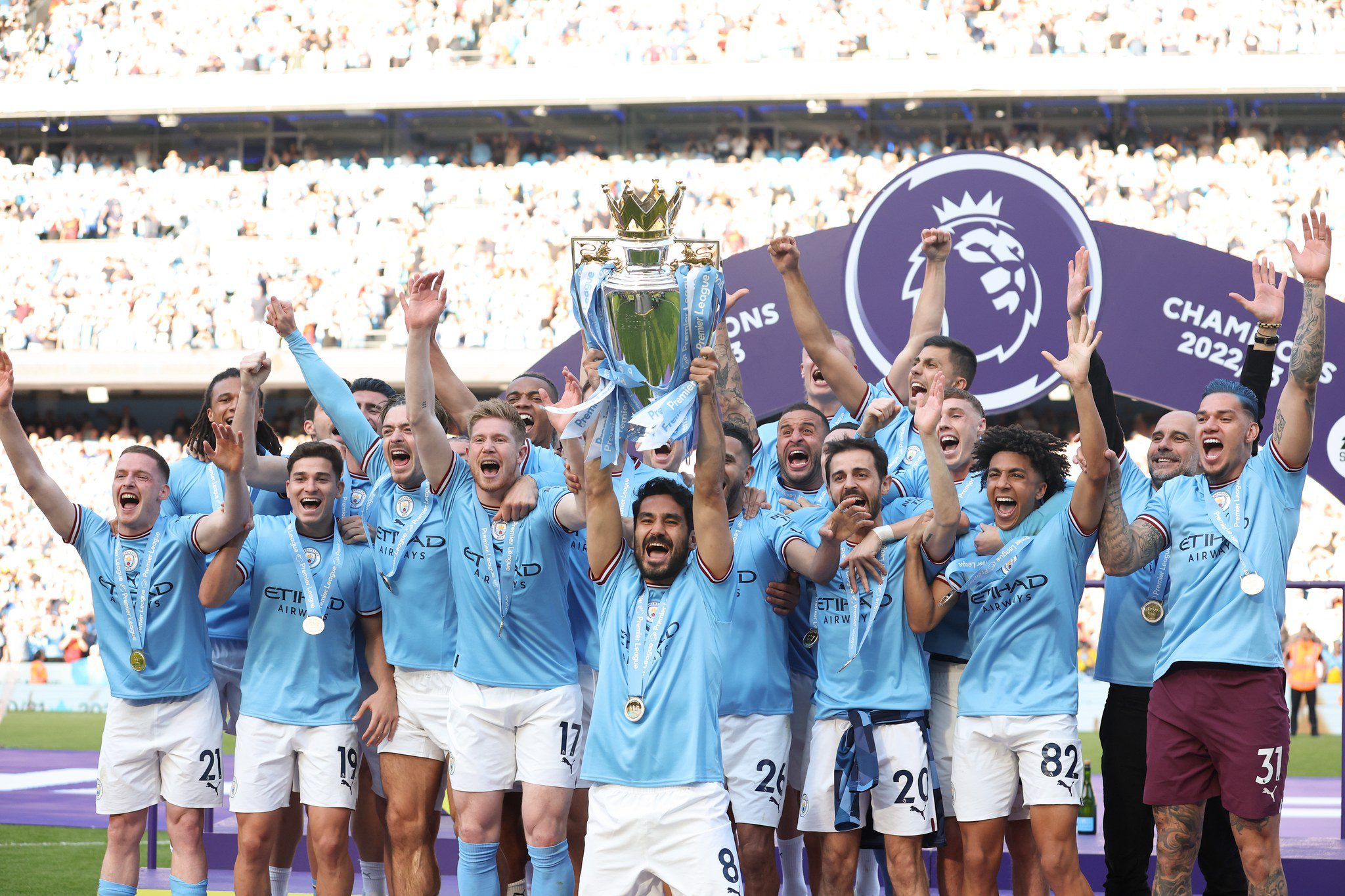

Manchester City F.C. is a symbol of the British city of Manchester. It is also a world-famous club, which has always had millions of fans around the globe. In addition, it is a multiple English champion and winner of the UEFA Champions League.
Man City was founded in the 19th century and faced both ups and downs during its entire history of existence. Learn more about the history of this famous English football club at imanchester.info.
The club founded by Anna
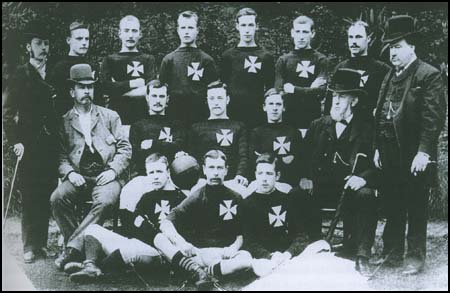
Surprisingly, the famous men’s football club Manchester City was founded by Anna Connell, the 25-year-old daughter of the priest of Christ Church in Harrogate, Arthur Connell. In 1865, her father became the rector of the St. Mark’s Anglican Church in West Gorton, one of the most disadvantaged areas of 19th-century Manchester. Local unemployment gave rise to begging and alcoholism, which resulted in an increasing level of crime.
In January 1879, the priest Arthur Connell created a free canteen at the church as well as a relief fund for the local poor. His daughter Anna supported Connell’s initiatives. The young woman began to look for ways to improve the residents of West Gorton spiritually and distract them from pressing problems.
Together with two church elders and members of the Brook’s Union Ironworks, the priest’s daughter founded several sports clubs at the church in November 1880. One of them was the men’s cricket club (cricket is a ball-and-bat team game). However, the cricket team became a football team with the onset of cold weather in November of the same year. This is how the St. Mark’s (West Gorton) football team appeared. The above-mentioned Arthur Connell became its first president. The team played its first match against the Maxfield Baptist Church on November 13, 1880. At that time, the youngest player in the team was only 15 years old and the oldest one was 20 years old.
The debut of St. Mark’s wasn’t successful, as the team lost to their first opponents with a score of 1:2. However, it was just the beginning of the story and nobody knew that the club was destined to become the famous Manchester City.
The football team was renamed several times. In 1887, after the team moved to the new Hyde Road Stadium, it was named Ardwick. Under that name, the football team debuted in the English Second Division, and in 1891, took its first football trophy, the Manchester Cup. In 1894, the club received its current name, Manchester City, which is known to millions of football fans
In 1897, Anna Connell moved from Manchester to Southport to care for her sick father. She never returned to Manchester. However, the flame she set up in the form of a football club grew brighter and brighter.
The 20th century
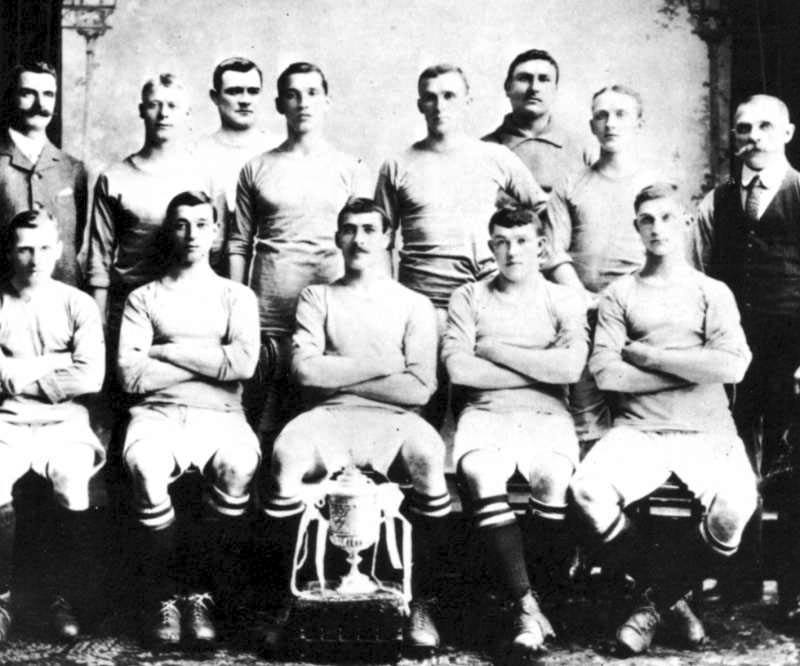
In 1899, the team got the right to play in the English First Division, having previously taken first place in the Second Division. In 1904, Manchester City achieved real success, as the team won the FA Cup, which became its first serious trophy.
In 1906, the football club got into a loud scandal. In 1901, the English Football Association established a rule to pay footballers no more than £4 per week. Man City violated it and paid its players more. After an investigation, which confirmed the violation, the football club was fined £900. In addition, 17 players of the team were banned from playing as a member of Man City. They moved to Manchester United, which was an eternal rival of City. During the 1907/1908 season, those players who moved from Man City to Manchester United helped the club win the English champion title, while the City became third.
In 1923, Manchester City began training at a new stadium, Maine Road, as the previous one was damaged by fire.
In the 1930s, Manchester City got through both triumphant and unsuccessful moments. The club reached the FA Cup final twice, in the 1932/1933 and 1933/1934 seasons. In 1937, the team became the English champion, but in the same year, was relegated from the Premier League.
The football club delighted its fans with the new successes in the 1950s. In 1955, Man City reached the FA Cup final. The very next year, it won the FA Cup again.
At the end of the ‘60s and the beginning of the ‘70s, Manchester City was at its height. The team again got into the English Top Division, and in 1968, became its champion, two points ahead of its bitter rival Manchester United. In 1969, the team won the FA Cup again, and in 1970, it won the Football League Cup for the first time in its history. In the same year, Manchester City also won the UEFA Cup Winners’ Cup.
After such a peak in the 60s and 70s, the football club experienced a period of stagnation in the 80s of the 20th century. It constantly changed coaches, was relegated and then re-entered the Top Division with expensive transfers.
In the 90s, Manchester City also had its ups and downs. During those years, Man City changed coaches, signed contracts with talented players and got in the Second and even Third Divisions.
However, at the turn of the millennium, Manchester City managed to return to the Premier League.
The beginning of the 2000s
In 2003, Man City moved to a new home stadium. It was the City of Manchester Stadium, which was built specifically for the 2002 Commonwealth Games.
In 2007, Manchester City F.C. was acquired by Thai politician and businessman Thaksin Shinawatra. The new investor undertook to make significant financial investments in the development of the club. The team signed a contract with the famous Swedish coach Sven-Göran Eriksson and made a number of quite successful transfers. However, Thai businessman Shinawatra soon got bored of football and sold it to a new owner.
UAE sheikh buys the club
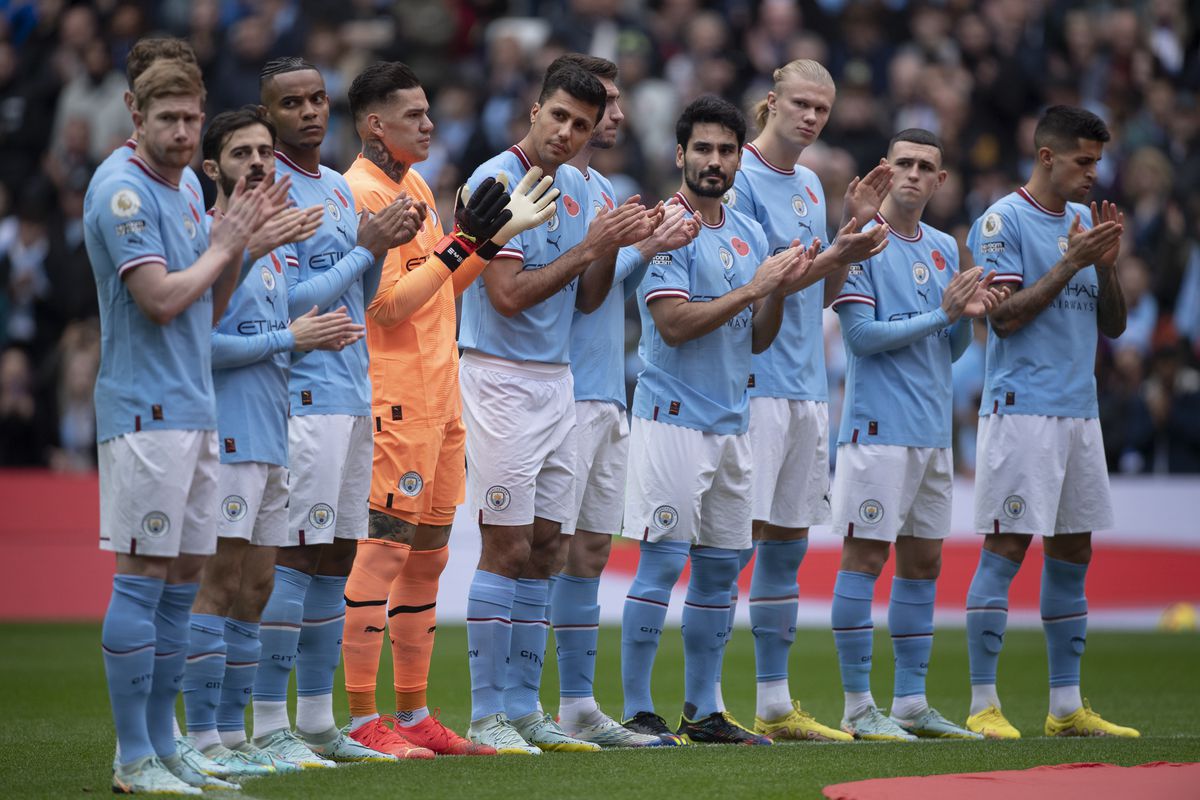
In 2008, the new owner of Manchester City became an investment group from the United Arab Emirates, the Abu Dhabi United Group. The head of this financial company, Sheikh Mansour bin Zayed Al Nahyan, bought 90% of the football club shares from its previous owner, and later, acquired another 10%.
Sheikh Mansour decided to turn Man City into the European leading football club. As the sheikh said, money wasn’t a problem. Therefore, the football club made a number of loud transfers. As of 2011, the sum that was spent by Sheikh Mansour on Man City, including transfers and salaries for players and coaches, was around £1 billion.
Thanks to the new owner, the football club formed one of the strongest teams in the world. Thus, success on the football field didn’t take long.
In recent years, Man City became champions of England many times in a row, namely in 2012, 2014, 2018, 2019, 2021, 2022 and 2023. In addition, in June 2023, Manchester City won the UEFA Champions League for the first time in its history.
We are convinced that the above-mentioned successes of Manchester City are far from the last because its history continues.