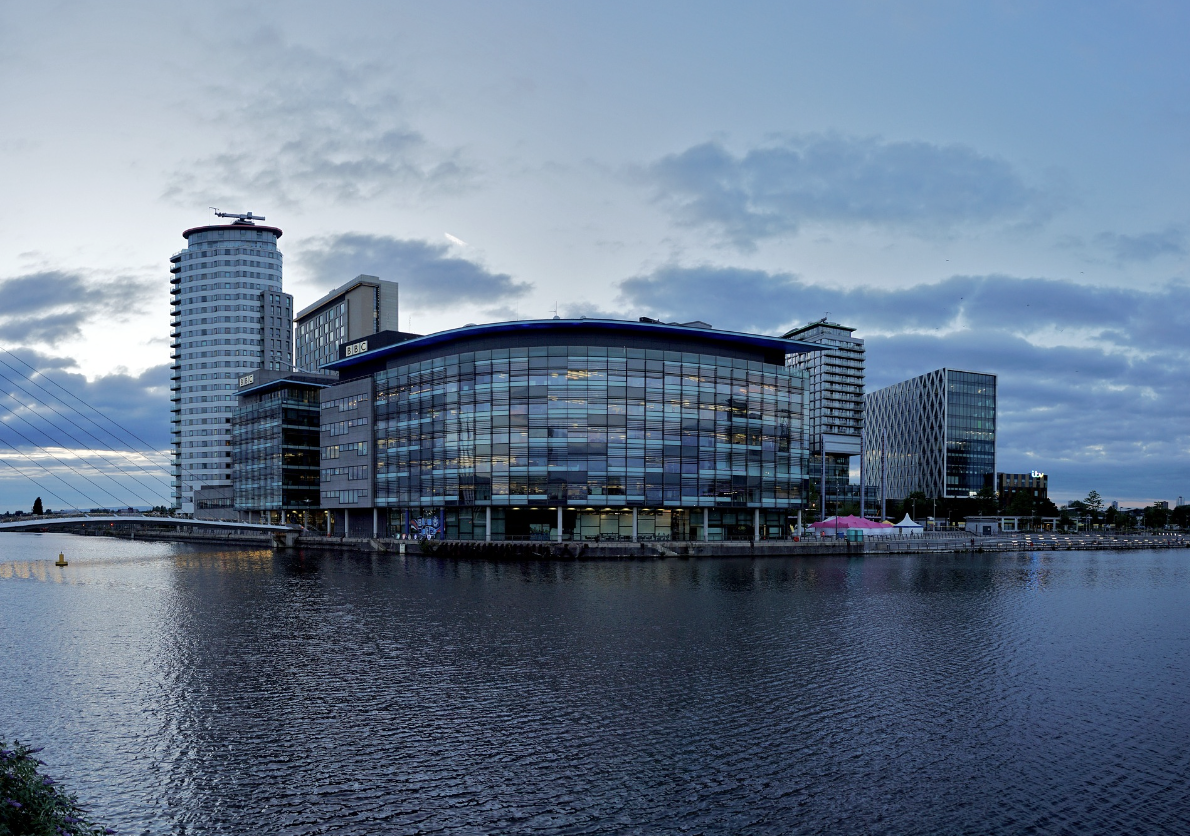

Manchester is a city of rich history and distinctive architecture. Its rise was largely driven by an intricate network of waterways forged during the Industrial Revolution. Built to transport coal, raw materials, and manufactured goods, these canals powered Manchester’s booming industries. Today, they serve as a major attraction for locals and tourists alike, offering a fresh way to explore the city. To learn more about the cultural history and traditions of Manchester’s canals, visit imanchester.info.
How Water Shaped the City
The true canal boom took off in the 18th century. Before then, Britain’s waterways were mainly commissioned by wealthy southern landowners to transport agricultural produce. But by the early 1700s, merchants began developing river navigation systems, cementing the economic status of industrial towns—especially Manchester. The success of these early links inspired the Duke of Bridgewater to build his own canal. Opened in 1761, it carried coal directly from the Duke’s mines into the heart of the city.
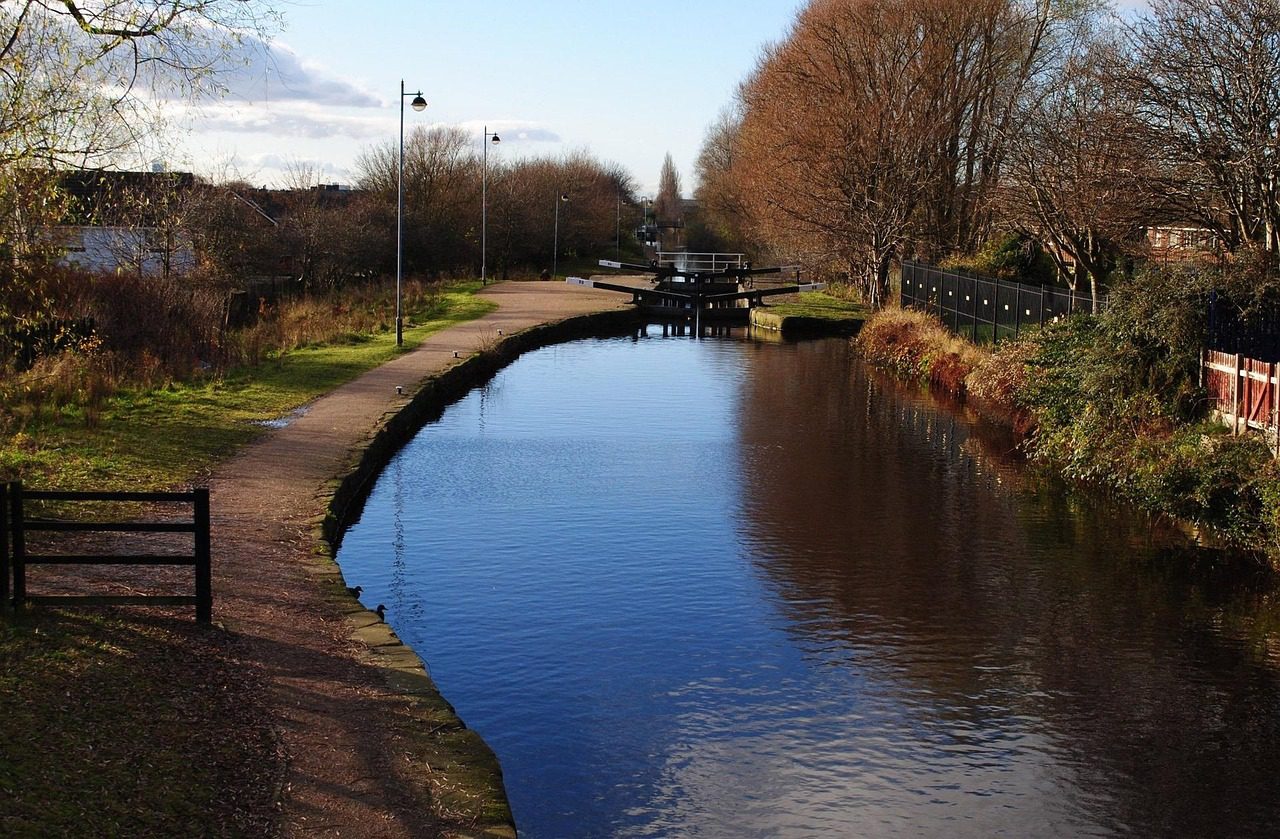
Soon, the nation was swept by “Canal Mania”—a speculative building frenzy that spanned from 1790 to 1810. Manchester quickly became the epicenter of this waterborne network. The Bridgewater Canal (1761), Ashton Canal (1797), Rochdale Canal (1804), and finally the monumental Manchester Ship Canal (1894) converged here. From Manchester, freight moved seamlessly to the textile towns of Yorkshire, the Potteries, the Midlands, and all the way to London.
Building these canals demanded grueling physical labor for minimal pay. The canal diggers, known as “navvies,” lived in temporary camps near construction sites, moving on as each new waterway was completed. Many were Irish migrants whose presence would go on to shape the cultural and religious fabric of the city. Accidents and fatalities were common—a grim reflection of how little large infrastructure projects of the era cared for worker safety. These celebrated engineering landmarks came at a profound human cost.
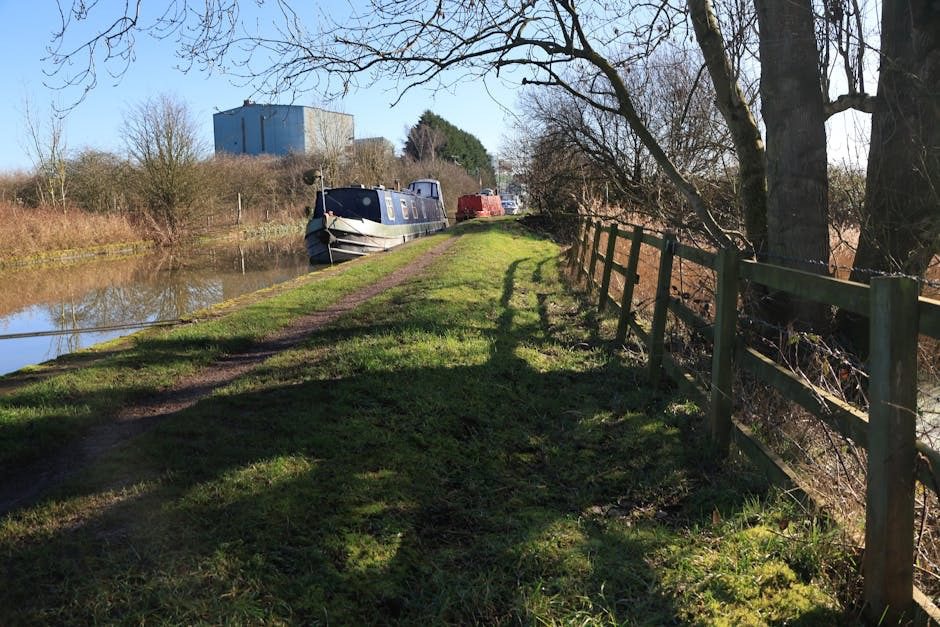
By the second half of the 19th century, canals began losing ground as railways took over the bulk of heavy freight. After World War II, many waterways fell into disuse; the Rochdale Canal, in fact, was largely closed to navigation by 1952. A revival began in the 1970s with the emergence of leisure boating and culminated in 2002, when the Rochdale Canal was fully reopened. Today’s waterways are all about leisure: narrowboats, walkers, runners, and pockets of vibrant urban wildlife.
From Freight Corridors to Urban Havens
The canals of Manchester hold a unique charm. Lined with historic brick warehouses, bustling markets, lively cafes, and waterside restaurants, they offer picturesque routes for leisurely walks and boat tours. Whether you are drawn to history, industrial architecture, or simply scenic waterscapes, these routes have something for everyone.
Several historic waterways stand out as key routes that remain accessible today:
- The Bridgewater Canal. The pioneering waterway that ushered in Britain’s canal age. Today, Castlefield Basin is a thriving recreation hub. Managed by the Bridgewater Canal Company Limited (part of Peel L&P), the canal remains open to navigation. Walkers can follow the towpath westward from Castlefield through Trafford Park and on to the historic village of Worsley.
- The Rochdale Canal. Cutting straight through the city center, it runs beneath the famous Canal Street. Following a major restoration, it was reopened to navigation in 2002.
- The Ashton Canal. Built to link Manchester with Ashton-under-Lyne and the wider canal network, it once transported coal, limestone, and products from the bustling cotton mills.
- The Manchester Ship Canal. Opened in 1894, this engineering marvel transformed an inland industrial powerhouse into Britain’s third-busiest port, despite being situated 36 miles (about 58 km) from the open sea. It effectively gave landlocked Manchester direct access to global maritime trade.
What draws visitors most is the seamless blend of old and new. 19th-century brick warehouses stand shoulder-to-shoulder with striking modern developments—a dynamic architectural contrast that captures the spirit of modern Manchester.
Navigating the Canals
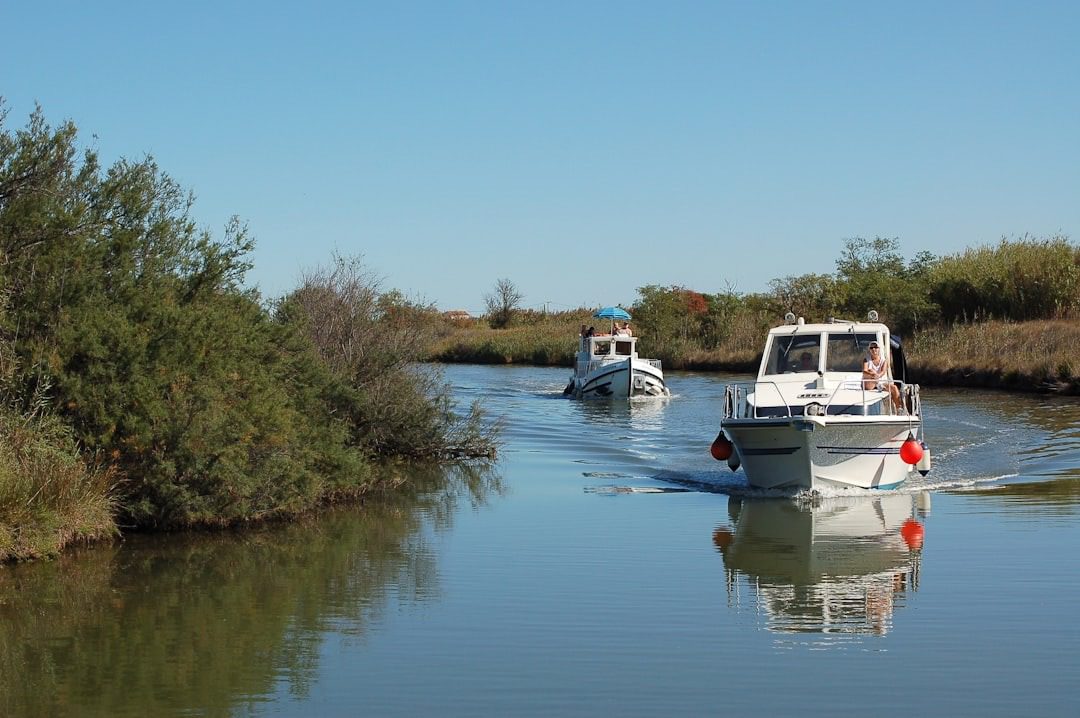
Cruising Manchester’s canals is an unforgettable experience, offering a whole new perspective on the city. You can explore the waterfront on foot, by bike, or on a guided boat tour. For those looking to chart their own course, canal boat rentals provide the freedom to travel at your own pace. Because the canals are interconnected, navigating between diverse neighborhoods and outer suburbs is remarkably easy.
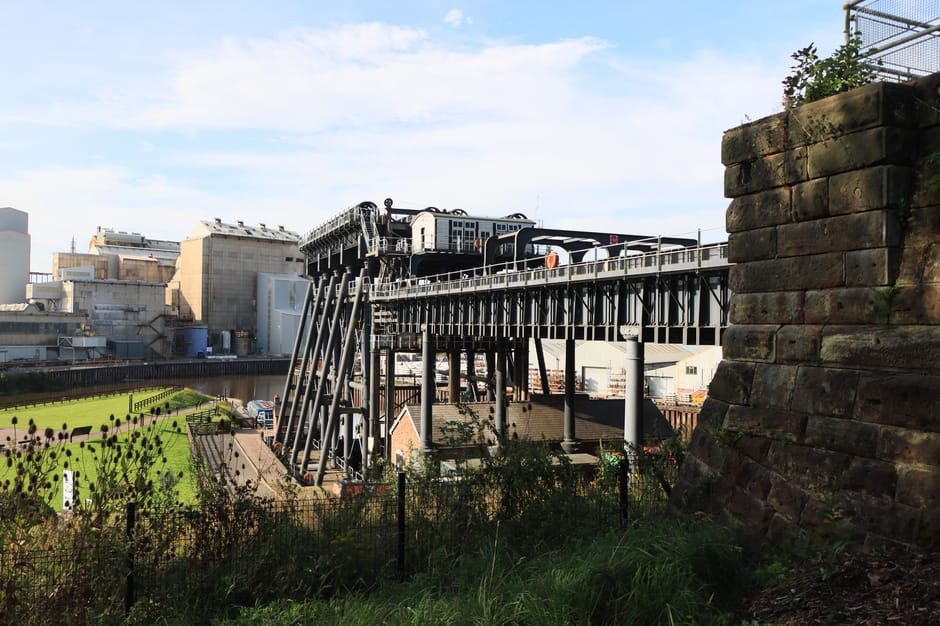
A journey along the water reveals countless hidden gems—from quirky canal-side pubs and historic landmarks to peaceful green pockets. Angling remains a popular pastime here, with designated spots where anglers can try their luck catching freshwater fish. Spending time along the water is one of the best ways to soak in Manchester’s true character.
Tips for Exploring Manchester’s Waterways
Every visitor should make time to discover the city’s canals. Manchester has invested heavily in public art installations and atmospheric lighting along the towpaths. Many routes have also been seamlessly woven into the city’s cycling infrastructure—the Rochdale Canal path, for example, forms part of the National Cycle Network.
To ensure your canal-side adventure goes smoothly, keep these practical tips in mind:
- Be mindful of others: towpaths are popular shared spaces and can get busy with runners, cyclists, and walkers.
- Follow safety rules and stick to marked, designated paths.
- Dress for the weather: it can get breezy along the water.
- Pair your canal walk with a trip to the Science and Industry Museum, which brings the story of these transport routes and the industries they served to life.
- Book boat tours well in advance, especially during peak tourist season when seats fill up fast.
- Reserve a table ahead of time if you want waterside dining with prime views.
Summary: How the Canals Shaped Manchester
| Sector | Historical Role | Modern Role in Manchester |
| Industry | Transporting coal and essential raw materials | Industrial heritage and adaptive architecture |
| Trade | Moving manufactured goods and commodities | Historic wharves, docks, and converted warehouses |
| Architecture | Establishing factory and warehousing districts | Historic Castlefield Urban Heritage Park |
| Cultural Heritage | The backbone of industrial transport infrastructure | A defining symbol of Manchester’s identity and history |
Ultimately, Manchester’s canals are far more than historic transport corridors. They stand as a living testament to the Industrial Revolution, the rise of modern manufacturing, and the city’s emergence as a global powerhouse.
Whether you are passionate about heritage or simply searching for a scenic waterside escape, Manchester’s waterways offer the perfect setting. Rich in history and full of life, exploring these canals remains one of the finest ways to get to the heart of this dynamic city.